Introduction to Inductive Proximity Sensing
Inductive proximity sensors are fundamental components in modern industrial automation. These non-contact sensors detect the presence of metallic objects by generating an electromagnetic field. When a metal target enters this field, it induces eddy currents, causing a change in the sensor's oscillation amplitude. This change is detected and converted into a switch signal. The core principle relies on electromagnetic induction, making these sensors exceptionally reliable for harsh industrial environments where dust, oil, or moisture are present. Their robustness and long operational life have cemented their status as a preferred choice for position detection, counting, and end-position sensing across countless applications.
Core Manufacturing Technologies and Design
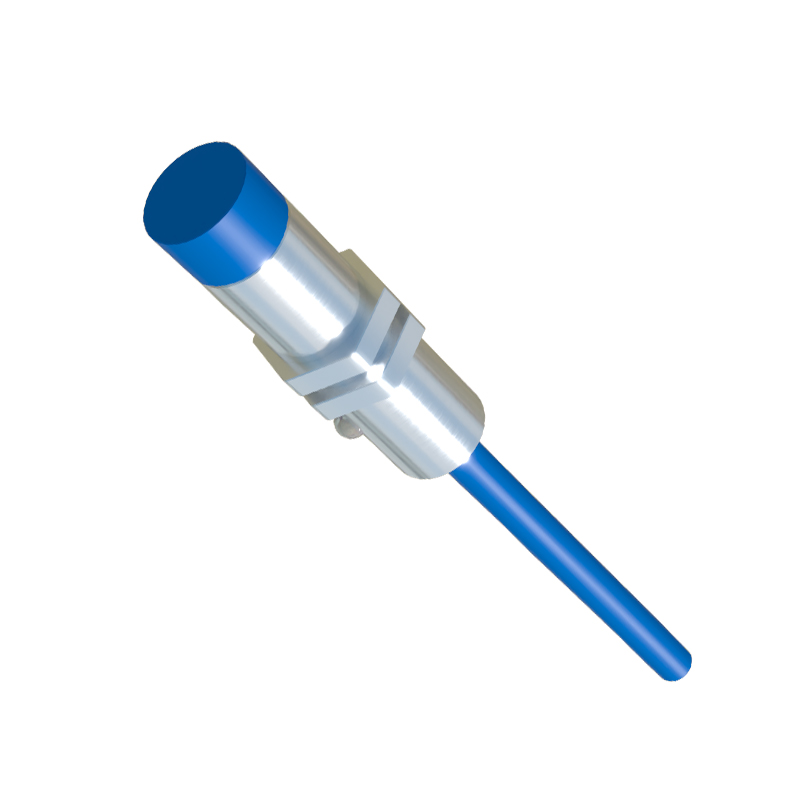
Leading inductive proximity sensor manufacturers invest heavily in advanced coil winding techniques, ferrite core design, and integrated circuit (IC) development. The sensing face, or active surface, is meticulously engineered to shape the electromagnetic field for optimal range and precision. Key design considerations include housing material—typically nickel-plated brass or stainless steel for durability—and the type of output (e.g., NPN, PNP, analog, or IO-Link). Modern designs focus on miniaturization without sacrificing sensing distance, enhanced immunity to electromagnetic interference (EMI), and the integration of smart diagnostics. The assembly process is highly automated, ensuring consistent quality and performance across high-volume production runs.
Key Specifications and Performance Metrics
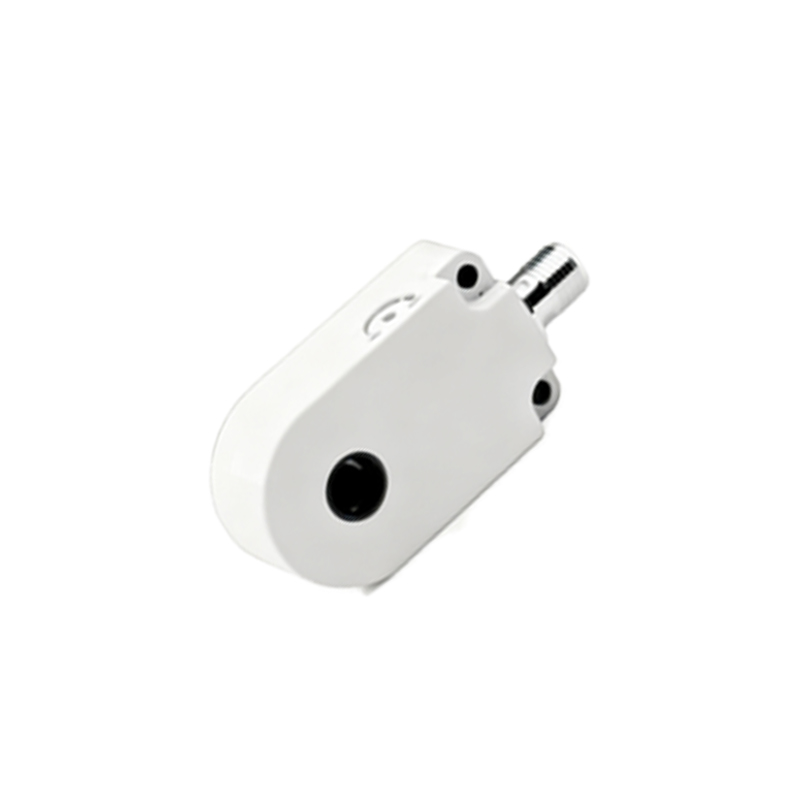
When selecting a sensor, engineers evaluate several critical specifications. The nominal sensing distance (Sn) is a primary factor, ranging from a few millimeters to several centimeters. Manufacturers also specify a reliable operating distance, typically 0.81 times Sn, to account for tolerances. Other vital metrics include switching frequency (how fast the sensor can detect objects), hysteresis (the difference between switch-on and switch-off points), and temperature range. High-performance models offer extended temperature tolerance from -25°C to 85°C or higher. Additionally, protection ratings like IP67 and IP69K are standard, indicating complete protection against dust and resistance to high-pressure water jets, which is crucial for food and beverage or washdown applications.
Major Industrial Applications and Use Cases
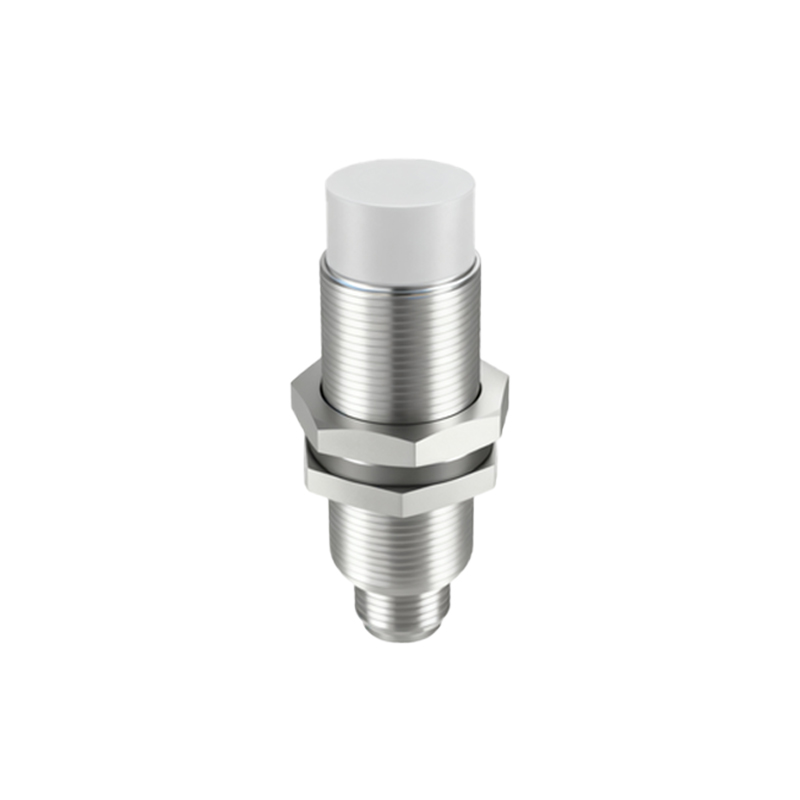
The application spectrum for inductive sensors is vast. In automotive manufacturing, they verify the presence of metal parts on assembly lines and monitor robotic arm positions. Packaging machinery utilizes them for precise bottle cap detection and fill level control. In metalworking, they serve as limit switches for CNC machines and tool breakage detection. A growing application area is in collaborative robotics (cobots), where compact, precise sensors ensure safe human-robot interaction. Furthermore, with the advent of Industry 4.0, sensors with IO-Link capability provide valuable process data for predictive maintenance and digital twin models, transforming simple detection into a data point for system optimization.
Innovation Trends and Future Outlook
Innovation within the inductive sensor manufacturing sector is driven by the demands of smart factories. The integration of IO-Link as a standard feature is a significant trend, enabling parameterization, condition monitoring, and easier integration into Industrial IoT (IIoT) networks. Manufacturers are also developing sensors with enhanced alloy differentiation capabilities, allowing them to distinguish between different types of metals like steel, aluminum, and copper. Another focus is on achieving longer sensing ranges for specific alloys and creating ultra-miniature form factors for space-constrained applications. The future points toward increasingly intelligent sensors that not only detect but also analyze and communicate their health and diagnostic data, contributing to autonomous operational systems.
Selecting a Reliable Manufacturer
Choosing the right manufacturer involves assessing more than just product catalogs. A reliable partner offers comprehensive technical support, detailed datasheets with performance graphs, and global availability. Key differentiators include a manufacturer's expertise in application engineering, their ability to provide customized solutions (like special housing shapes or connectors), and their commitment to quality certifications such as ISO 9001. Leading manufacturers maintain extensive testing facilities to simulate real-world stresses, ensuring their products deliver consistent performance. Evaluating a supplier's innovation pipeline and their adherence to international standards for safety and EMC is crucial for long-term, trouble-free integration into complex automation systems.