Introduction to Jietai Photoelectric Sensors
Jietai photoelectric sensors are widely recognized in industrial automation for their reliability and precision. These devices operate by emitting a light beam, typically from an LED, and detecting changes in the received light intensity caused by the presence or absence of a target object. The core technology involves converting light signals into electrical signals, enabling non-contact detection. Jietai has established a strong reputation by focusing on robust designs suitable for harsh environments, including those with dust, moisture, or significant temperature variations. Their product range covers various sensing modes, such as through-beam, retro-reflective, and diffuse reflective, providing solutions for diverse application challenges. The company emphasizes consistent quality control and adherence to international standards, making their sensors a common choice for engineers seeking dependable components for automated systems.
Key Technical Specifications and Performance
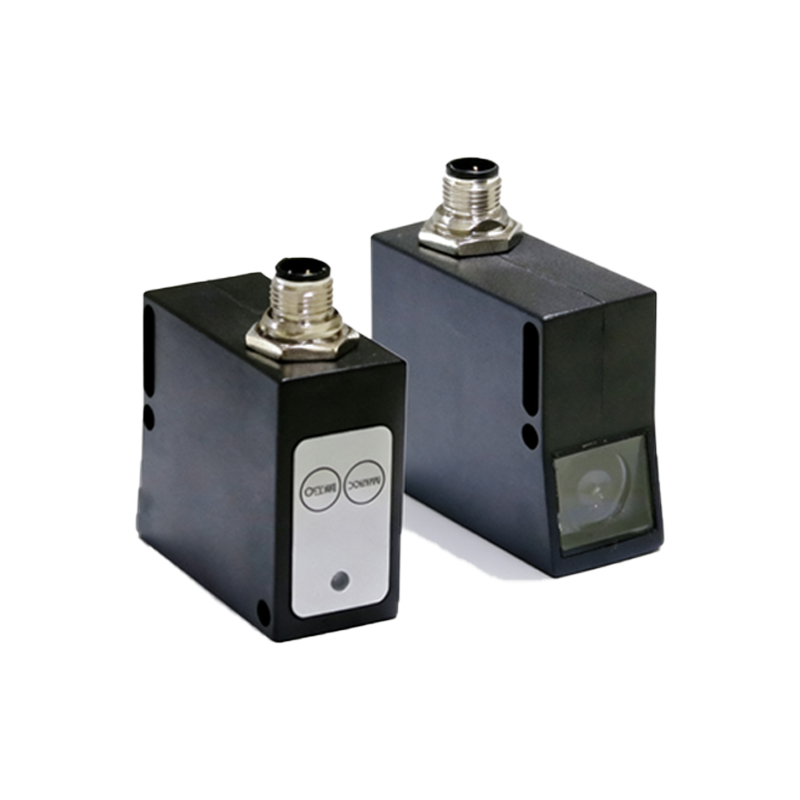
Evaluating the performance of Jietai photoelectric sensors requires a close look at their technical parameters. Key specifications include sensing distance, response time, light source type, and environmental ratings. For instance, many Jietai through-beam sensors offer long detection ranges, often exceeding 10 meters, with high immunity to ambient light interference. Their diffuse reflective models are engineered for precise short-range detection, with advanced models featuring background suppression to ignore objects beyond a set distance. Response times are typically in the microsecond range, ensuring they can keep pace with high-speed production lines. The sensors commonly use modulated infrared or visible red light to enhance stability. Furthermore, enclosures are frequently rated IP67 or higher, providing excellent protection against water and dust ingress. This combination of specs ensures reliable operation in demanding settings like packaging, material handling, and automotive assembly.
Comparison with Industry Competitors
When positioned against other major brands in the photoelectric sensor market, Jietai products often compete favorably in terms of cost-effectiveness and durability. While premium European brands might offer marginally faster response times or more advanced diagnostic features, Jietai sensors provide a compelling balance of performance and price. Their strength lies in delivering core functionality reliably without unnecessary complexity, which appeals to cost-sensitive projects. The build quality is generally on par with or exceeds many mid-range competitors, particularly in sealing and housing robustness. Some users note that the consistency in performance across large batches is a significant advantage, reducing system calibration issues. For standard applications requiring dependable object detection, Jietai sensors present a viable and often preferable alternative to more expensive options.
Typical Application Scenarios
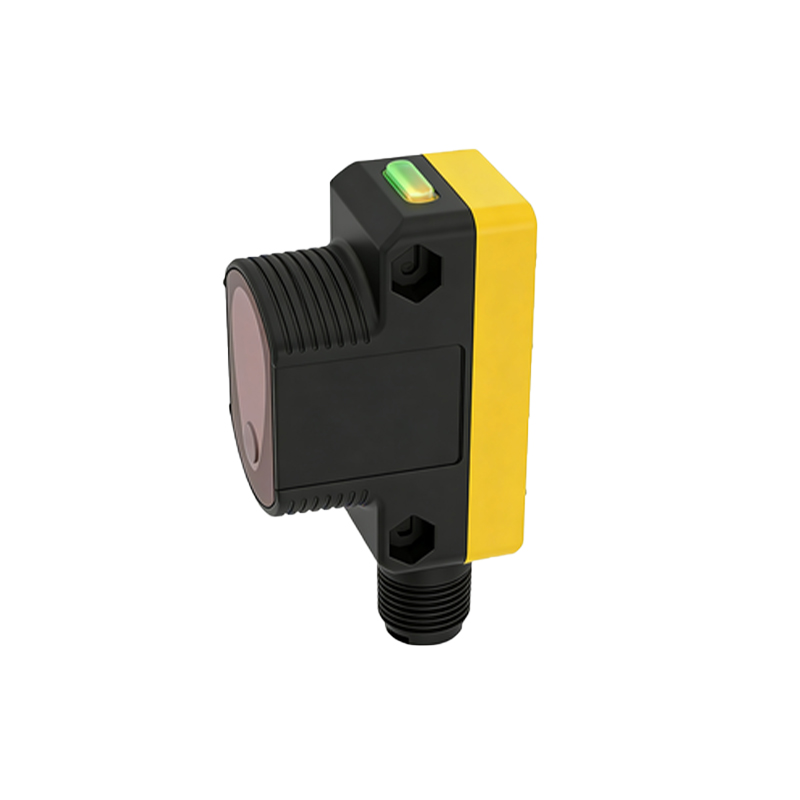
Jietai photoelectric sensors are deployed across a broad spectrum of industries. In manufacturing, they are pivotal for part presence verification on conveyor belts, counting products, and detecting jams. The logistics sector utilizes them for parcel dimensioning, sorting, and palletizing operations. Within the automotive industry, these sensors ensure correct part positioning in robotic assembly cells. Their environmental resilience makes them suitable for outdoor applications, such as in agricultural machinery for level detection or in parking facilities for vehicle presence sensing. A specific advantage is their performance in detecting small, fast-moving, or transparent objects, where certain models with precise beam focusing excel. The versatility derived from their various housing styles, output configurations (NPN/PNP), and connection methods facilitates easy integration into both new and existing control systems.
User Feedback and Reliability Assessment
Feedback from engineers and maintenance technicians who have integrated Jietai sensors into their systems is largely positive. Common praises highlight the sensors' long service life and minimal drift in calibration over time. Users report that the sensors maintain accuracy despite exposure to vibration, oil mist, and temperature fluctuations common in industrial plants. The setup process is generally straightforward, with clear indicator LEDs for alignment and status. On the downside, some feedback mentions that the documentation, while adequate, could be more detailed for complex troubleshooting. Occasional comments suggest that for extremely specialized applications requiring ultra-high precision or unique wavelengths, other niche suppliers might be considered. However, for the vast majority of standard industrial detection tasks, Jietai sensors are regarded as a trustworthy and economical workhorse.
Conclusion and Selection Guidance
In summary, Jietai photoelectric sensors represent a solid choice for industrial automation projects. Their design prioritizes durability, consistent performance, and value. When selecting a sensor, engineers should first clearly define the application requirements: required sensing distance, object characteristics (size, material, color), environmental conditions, and necessary response speed. Jietai's extensive catalog likely contains a model that matches these needs. It is also advisable to consult with technical support or distributors for specific challenging applications. For companies aiming to balance system reliability with budget constraints, Jietai offers a proven range of photoelectric sensors that can effectively reduce downtime and maintenance costs, contributing to efficient and resilient automated operations.