Understanding Corrosion in Industrial Environments
Corrosion poses a significant threat to the reliability and longevity of proximity switch sensors in industrial settings. These non-contact sensors, essential for detecting the presence or absence of metallic objects, are often exposed to harsh conditions. Factors such as moisture, chemical vapors, salt spray, and extreme pH levels can degrade sensor housings, sensing faces, and electrical connections. The resulting corrosion can lead to sensor failure, inaccurate readings, and costly unplanned downtime. Understanding the specific corrosive agents present in an application—whether in food processing, chemical plants, marine applications, or wastewater treatment—is the critical first step in selecting an effective prevention strategy. Different materials and protective measures are required to combat acidic, alkaline, or saline environments effectively.
Material Selection: The First Line of Defense
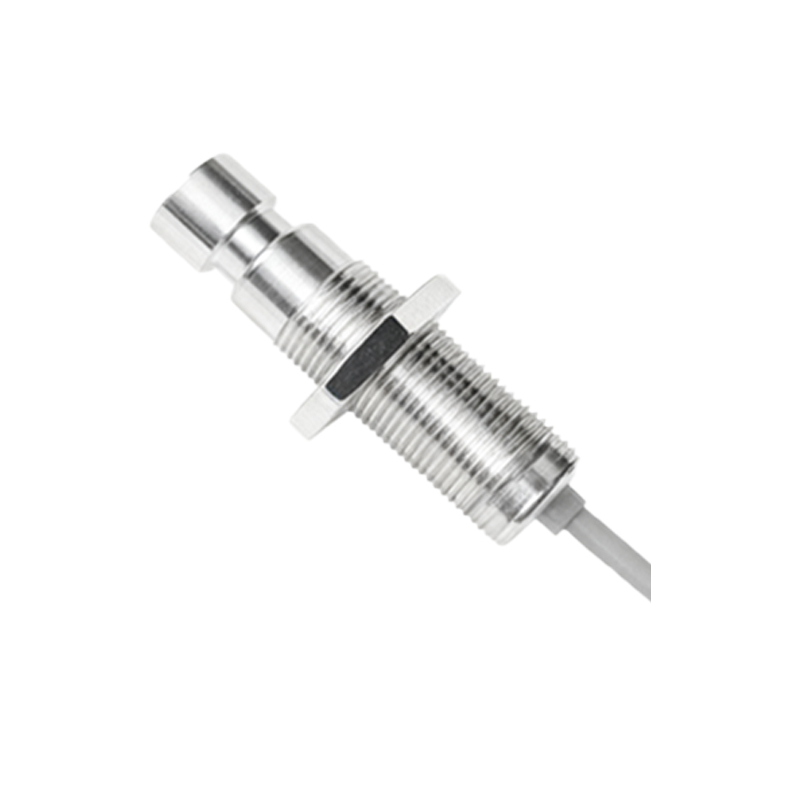
The most fundamental method for corrosion prevention is selecting sensors constructed from inherently resistant materials. For the sensor housing and body, stainless steel grades, particularly AISI 316 (V4A), offer excellent resistance to a wide range of corrosive substances, including chlorides and acids, compared to standard AISI 304 (V2A). For the sensing face, materials like PTFE (Teflon) or PPS (Polyphenylene Sulfide) provide a non-stick, chemically inert barrier that protects the active sensing element. Nickel-plated brass is another common choice for certain housings, offering good resistance in less aggressive environments. Engineers must consult material compatibility charts provided by manufacturers to match the sensor's construction materials with the specific chemicals, temperatures, and concentrations present in their application.
Protective Coatings and Housings
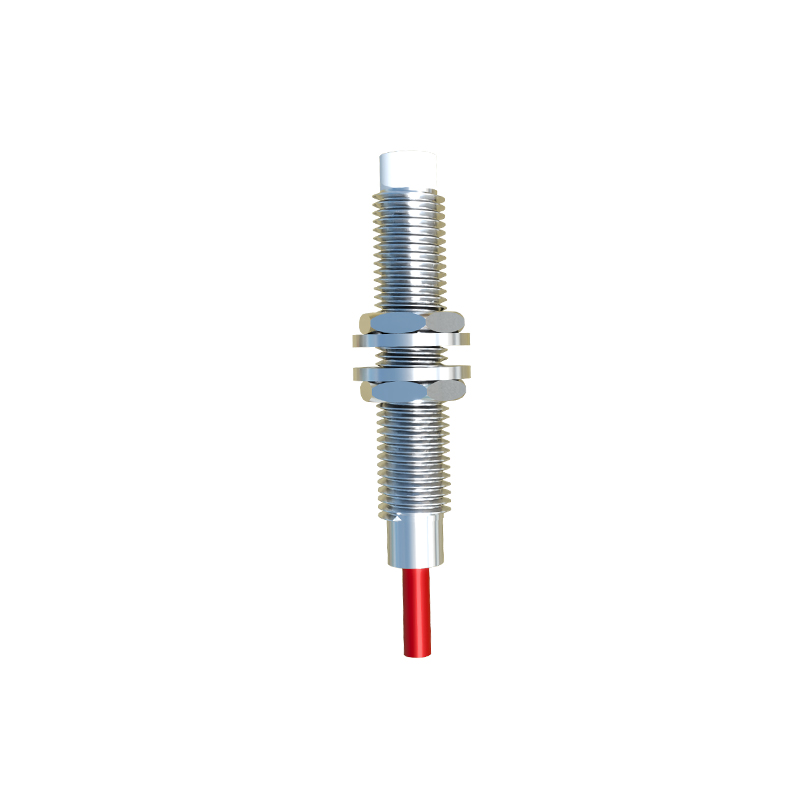
When a sensor's base material requires additional protection, specialized coatings and housings are employed. Epoxy resin coatings can fully encapsulate the sensor, creating a seamless barrier against moisture and chemical splash. For extreme conditions, sensors can be housed within a separate, protective enclosure made of corrosion-resistant plastic or stainless steel. This secondary housing shields the sensor while allowing for its maintenance or replacement without exposure. Another advanced technique involves applying a thin, durable layer of ceramic or specialized polymer to the sensing face. These coatings are designed to be transparent to the sensor's electromagnetic field, maintaining detection performance while providing a robust physical and chemical shield.
Design Features for Enhanced Resistance
Specific design features integrated into the sensor itself can dramatically improve its corrosion resistance. A fully welded, hermetically sealed stainless steel housing prevents corrosive agents from penetrating to the internal electronics. Sensors with increased IP (Ingress Protection) and NEMA ratings, such as IP67, IP68, IP69K, or NEMA 6P, ensure protection against dust ingress and high-pressure, high-temperature water or chemical jet cleaning. Flush-mounted or cylindrical sensors with smooth, crevice-free surfaces are preferable, as they prevent the accumulation of corrosive media. Additionally, designs that minimize the use of dissimilar metals help avoid galvanic corrosion, which can occur when two different metals are in electrical contact within an electrolyte.
Proper Installation and Maintenance Practices
Even the most robust sensor can fail if installed or maintained incorrectly. Proper installation involves using compatible mounting hardware, such as stainless steel nuts and bolts, to prevent weak points in the assembly. Conduit entries and cable glands must be correctly sealed to prevent wicking of fluids along the cable into the sensor head or connection point. Applying a thin layer of silicone grease or a dedicated anti-corrosion compound to threads and mating surfaces can provide an additional seal. Routine maintenance schedules should include visual inspections for early signs of coating degradation, pitting, or rust, and gentle cleaning with appropriate, non-corrosive solvents to remove buildup that might trap moisture.
Selecting the Right Sensor Technology
The choice of sensing technology can influence corrosion resistance. Inductive proximity sensors, which detect metals, often have robust metallic or polymer sensing faces. Capacitive sensors, used for non-metallic targets, may have different face material requirements. In highly corrosive zones, consider using sensors with remote sensing heads, where the sensitive electronics are housed in a protected control cabinet, and only a durable sensing coil is exposed to the harsh environment. Fiber optic sensors paired with remote amplifiers are another excellent solution for extremely aggressive chemical or high-temperature applications, as the sensing tip can be made from inert glass or quartz.
Conclusion: A Proactive and Layered Approach
Preventing corrosion in proximity switches is not about finding a single solution but implementing a proactive, layered strategy. It begins with a thorough analysis of the operational environment and proceeds through careful material selection, consideration of protective features, correct installation, and diligent maintenance. By investing in sensors designed for corrosion resistance and following best practices, plant engineers and maintenance personnel can ensure maximum