Understanding Glass Proximity Sensors
Glass proximity sensors are specialized devices designed to detect the presence or absence of glass objects without physical contact. They operate on various principles, with capacitive sensing being the most common for glass detection. These sensors generate an electromagnetic field and detect changes in capacitance caused by the dielectric properties of glass. This makes them indispensable in automated manufacturing lines, packaging systems, and quality control processes where handling glass bottles, containers, or panels is routine. Their non-contact nature ensures no scratching or contamination of the pristine glass surface, which is a critical requirement in industries like pharmaceuticals, beverages, and high-end electronics manufacturing. The sensor's housing and sensing face are often ruggedized to withstand industrial environments, but the core technology is precisely tuned to differentiate glass from other materials.
Key Factors Influencing the Price
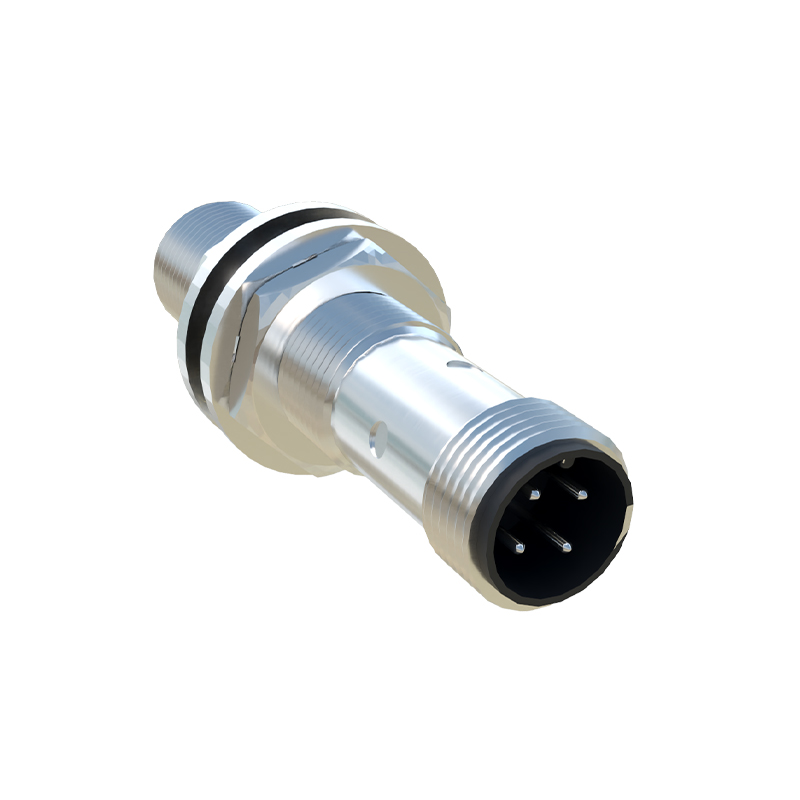
The cost of a glass proximity sensor is not a single figure but a range determined by several technical and commercial factors. First, the sensing range is a primary cost driver. Standard-range sensors (e.g., 2mm to 15mm) are most economical, while models offering extended or adjustable ranges command a higher price. Second, the output type plays a role. Basic models with a simple PNP or NPN transistor output are less expensive than those with analog outputs (4-20mA, 0-10V) or advanced IO-Link digital communication capabilities. IO-Link sensors, which provide detailed diagnostics and parameterization, sit at the premium end. Third, the housing material and protection rating (IP67, IP69K) significantly affect cost. Stainless steel housings for washdown or corrosive environments are more costly than standard plastic or nickel-plated brass units. Finally, brand reputation, certification approvals (e.g., UL, CE), and the inclusion of special features like temperature compensation or embedded diagnostics add to the overall price.
Typical Price Range Breakdown
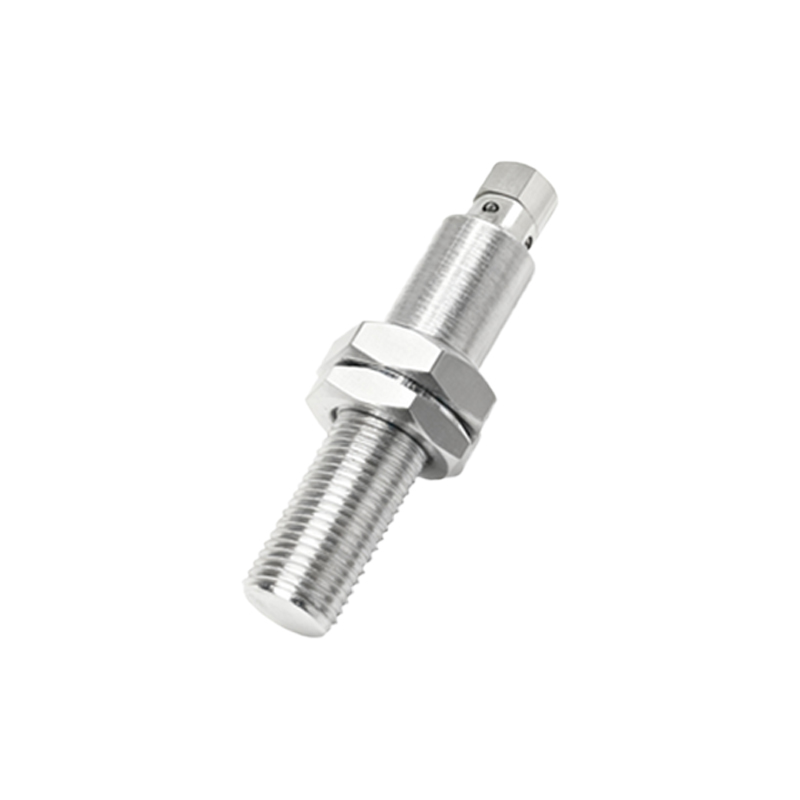
In the industrial components market, glass proximity sensors are available across a broad price spectrum. Entry-level, basic function sensors from generic or regional brands can start as low as $20 to $50 USD per unit. These are typically standard-range, with a simple switching output and a basic housing. The mid-range segment, which constitutes the bulk of the market, features sensors from established industrial automation brands like Sick, Pepperl+Fuchs, Omron, or Balluff. Prices here commonly range from $80 to $250 per unit. This price point includes reliable performance, better build quality, standard industrial certifications, and moderate sensing ranges. High-end, specialized sensors with extended range, exceptional accuracy (for detecting ultra-thin glass), advanced housing materials (e.g., V4A stainless steel), or sophisticated digital interfaces can cost from $300 to over $600 per unit. It is crucial to consider that list prices are often subject to volume discounts for OEM or large-scale procurement.
Cost Comparison by Sensor Technology
While capacitive sensors are the standard for glass detection, it's useful to compare them with other proximity types for context. Standard inductive proximity sensors, used for metal detection, are generally the least expensive, often under $30, but are ineffective for glass. Ultrasonic sensors, which can detect glass and other materials based on sound wave reflection, are more versatile but also more expensive, typically ranging from $100 to $400, depending on performance. True capacitive sensors optimized for glass sit in a competitive position. Their price is justified by their specialized tuning, which ignores the presence of water, labels, or minor contaminants—a common challenge on bottling lines. The cost of not using the right sensor—in terms of production downtime, false triggers, or product damage—far outweighs the initial price difference between a standard inductive and a purpose-built glass proximity sensor.
Additional Costs to Consider
The initial purchase price of the sensor is only part of the total cost of ownership. Integration and ancillary expenses must be factored into the budget. These include the cost of mounting brackets or hardware, which may be sold separately. The electrical infrastructure, such as suitable cables and connectors (e.g., M8 or M12 connectors), also adds to the cost. For complex installations, programming and configuration time, especially for IO-Link or analog sensors, represent a significant labor cost. Furthermore, consider long-term operational costs. A higher-quality, more expensive sensor from a reputable manufacturer often offers a longer mean time between failures (MTBF), reducing replacement frequency and maintenance downtime. Availability of local technical support and warranty terms (e.g., 3 years vs. 1 year) are intangible value factors that can justify a higher upfront investment.
Procurement Tips for Best Value
To secure the best value when purchasing glass proximity sensors, a strategic approach