Understanding Corrosion-Resistant Proximity Sensors
In demanding industrial settings such as chemical processing, marine applications, food and beverage production, and wastewater treatment, standard proximity sensors often fail prematurely due to exposure to corrosive agents like acids, alkalis, salts, and oxidizing chemicals. Corrosion-resistant proximity sensors are specifically engineered to withstand these aggressive environments. They are typically constructed with housings made from high-grade stainless steel (such as 316L or 304), specialized coatings like PTFE (Teflon) or epoxy resins, and hermetically sealed components to prevent ingress of liquids and vapors. The core sensing technology—whether inductive, capacitive, or magnetic—is protected to ensure reliable detection of metallic or non-metallic objects, even when covered by foam or film, without triggering false signals. The primary goal is to deliver long-term operational stability, reduce maintenance frequency, and prevent costly production downtime caused by sensor failure.
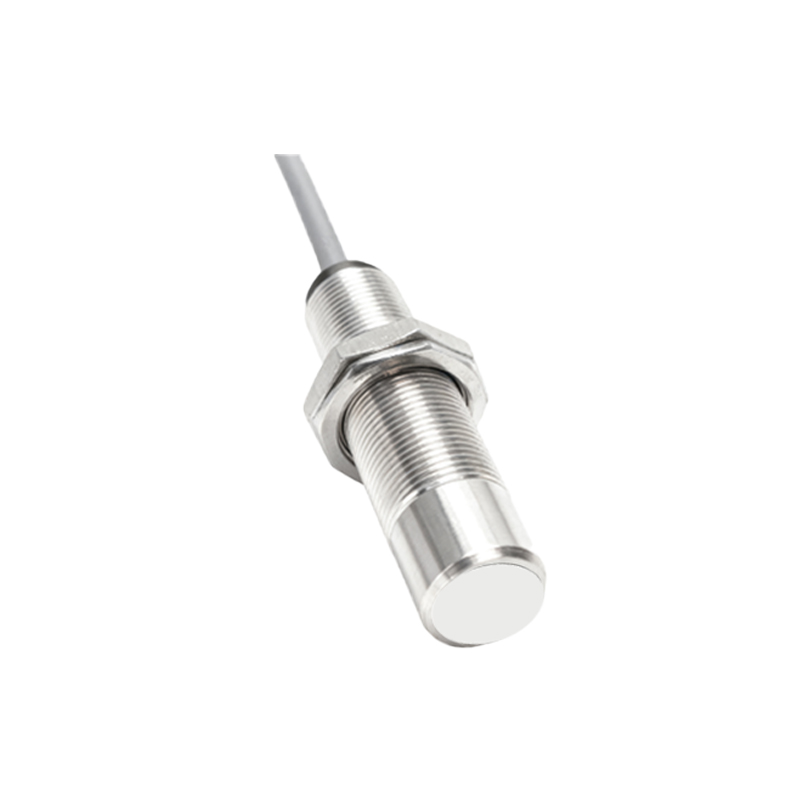
Key Selection Criteria for Durability
Selecting the right corrosion-resistant sensor involves evaluating several technical parameters beyond just the IP (Ingress Protection) or NEMA ratings. First, the exact chemical exposure must be identified; sensors for chlorine-based environments differ from those for saline or acidic atmospheres. Material compatibility is paramount: housing should be 316 stainless steel for general chemical resistance, while Hastelloy or titanium may be required for extreme conditions. The sealing material, often FKM (Viton) or EPDM gaskets, must also resist degradation. Secondly, the sensing distance and temperature range must suit the application; high temperatures can accelerate corrosion. Third, output type (PNP/NPN, analog, IO-Link) and connection method (cable or connector with corrosion-resistant plating) impact integration. Finally, certifications like ATEX for explosive atmospheres or EHEDG for hygiene-critical areas are often mandatory in regulated industries.
Leading Brand 1: Turck
Turck is a globally recognized leader in robust industrial automation solutions, offering an extensive portfolio of proximity sensors built for corrosive and washdown environments. Their Q series, for instance, features sensors with PVDF (polyvinylidene fluoride) housings or 316L stainless steel versions, providing exceptional resistance to aggressive chemicals, solvents, and high-pressure cleaning. Turck sensors often incorporate patented technologies like weld-field immunity for installation near welding equipment. They provide high IP69K ratings, ensuring protection against high-temperature, high-pressure jet cleaning—a common requirement in food and pharmaceutical plants. With a strong focus on connectivity and Industry 4.0, many Turck sensors offer IO-Link functionality for digital parameter setting and condition monitoring, enabling predictive maintenance in harsh settings.
Leading Brand 2: Pepperl+Fuchs
Pepperl+Fuchs specializes in intrinsic safety and sensor technology for hazardous and demanding areas. Their corrosion-resistant proximity sensor range is renowned for reliability in chemical, oil and gas, and pharmaceutical industries. Key product lines include all-stainless steel inductive sensors with PPS (polyphenylene sulfide) sensing faces that resist acids and alkalis. They offer models with robust ceramic sensing faces for applications involving abrasive slurries or particulates. Pepperl+Fuchs emphasizes comprehensive protection, with many sensors featuring not only high corrosion resistance but also resistance to mechanical shock and electromagnetic interference. Their global service network and detailed technical documentation, including detailed chemical resistance charts, assist engineers in selecting the precisely correct model for specific corrosive media.
Leading Brand 3: Balluff
Balluff provides high-performance sensors that excel in challenging environments like metalworking, automotive painting lines, and offshore platforms. Their BOS series of stainless steel sensors is a prime example, designed with a seamless, crevice-free housing to prevent trap points for corrosive agents. Balluff utilizes advanced sealing techniques and materials like FKM to achieve IP67, IP68, and IP69K ratings. A standout feature is their innovative "non-contact" sensing technology in some lines, which further enhances longevity by eliminating physical wear points. Balluff also offers a wide array of form factors, including cylindrical and rectangular designs, and options with built-in diagnostics via IO-Link. This allows for real-time monitoring of sensor health and performance drift in corrosive atmospheres, facilitating proactive replacement before failure.
Leading Brand 4: ifm electronic
ifm electronic is known for its innovative and user-friendly sensor solutions. Their CR series (Corrosion Resistant) inductive sensors are purpose-built for harsh conditions. These sensors feature a housing made of V4A stainless steel (equivalent to 316) and a PPS thermoplastic sensing face, providing broad-spectrum chemical resistance. ifm places a strong emphasis