Understanding Proximity Sensor Calibration
Proximity sensors are critical components in industrial automation, detecting the presence or absence of objects without physical contact. Calibration is the process of adjusting these sensors to ensure their output signals accurately reflect the true distance or presence of a target. Proper calibration minimizes errors, enhances system reliability, and prevents costly downtime. Without regular calibration, factors like environmental changes, sensor aging, or mechanical drift can lead to inaccurate readings, potentially causing production defects or safety hazards. Engineers must approach calibration systematically, considering the sensor type—inductive, capacitive, or photoelectric—and its specific application requirements.
Pre-Calibration Preparation and Safety
Before initiating calibration, thorough preparation is essential. Start by reviewing the sensor's datasheet and manufacturer guidelines to understand its specifications, such as sensing range, output type, and environmental tolerances. Ensure the work area is clean and free from electromagnetic interference, which can affect inductive or capacitive sensors. Power down the equipment and follow lockout-tagout procedures to prevent accidental activation. Gather necessary tools, including calibration targets, multimeters, oscilloscopes, and any proprietary software provided by the sensor manufacturer. Verify that the targets match the sensor's material and size requirements, as using incorrect targets can skew results.
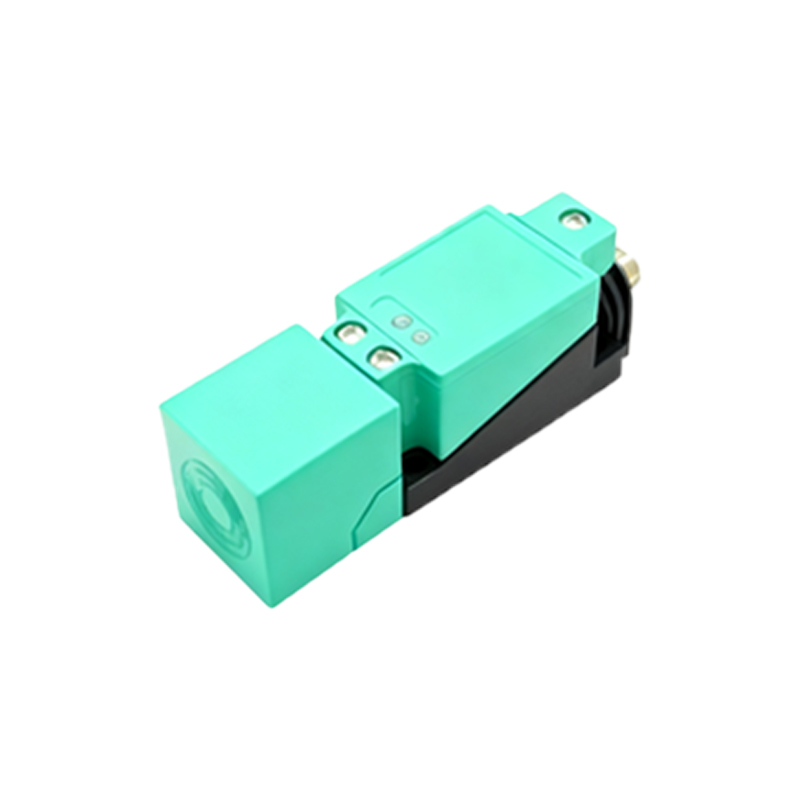
Step-by-Step Calibration Procedure
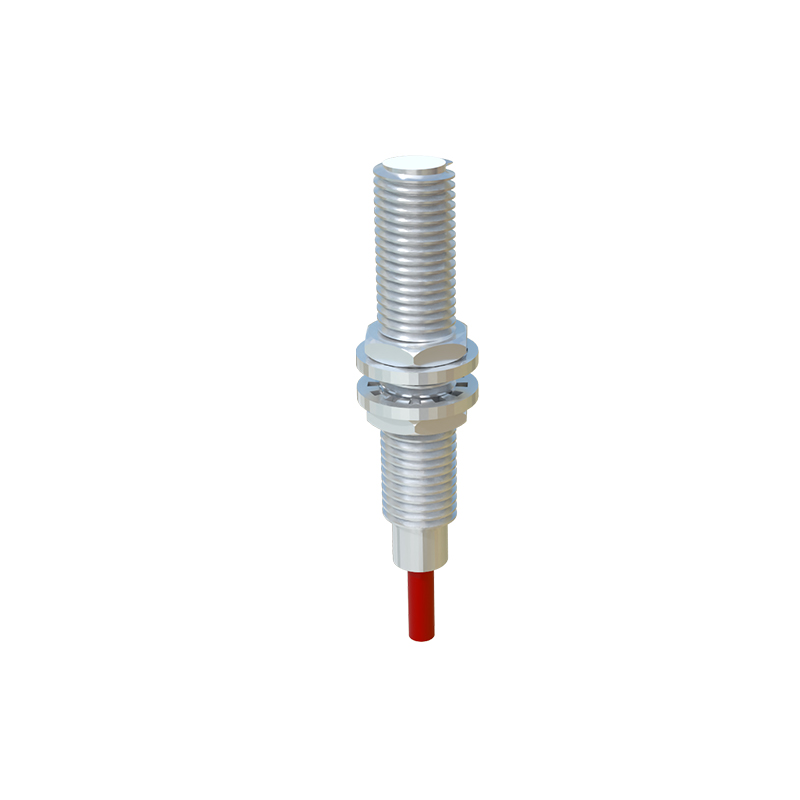
Begin by mounting the sensor securely in its operational position, ensuring it aligns properly with the target path. Power the sensor and observe its default output using a multimeter or monitoring software. For distance-based sensors, place a calibration target at the minimum specified sensing distance and adjust the sensor's sensitivity or threshold controls until the output signal triggers correctly. Repeat this process at the maximum sensing distance, fine-tuning to achieve consistent detection. For presence-detection sensors, test with targets of varying materials and sizes to confirm reliable operation. Document all adjustments, noting the original and calibrated settings for future reference.
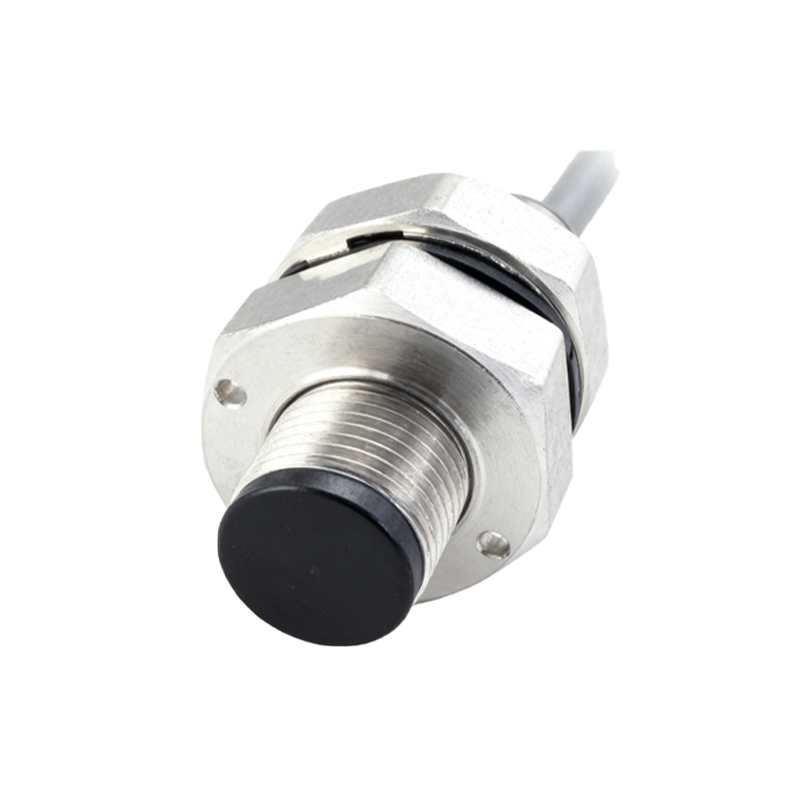
Verification and Testing Post-Calibration
After calibration, rigorous testing is crucial to validate performance. Conduct multiple test cycles with the target moving through the full sensing range, checking for false triggers or missed detections. Use an oscilloscope to analyze the output signal's stability and response time, ensuring it meets application demands. Environmental testing, such as exposing the sensor to temperature variations or vibration, can reveal hidden issues. Compare the sensor's performance against calibrated reference instruments if available. Any discrepancies should prompt re-calibration. Maintain a log of test results, including dates and conditions, to track sensor performance over time and plan preventive maintenance.
Common Challenges and Troubleshooting Tips
Engineers often encounter challenges during calibration, such as signal drift or inconsistent detection. Signal drift may stem from temperature fluctuations or power supply instability; ensure stable operating conditions and consider using sensors with temperature compensation. For inconsistent detection, check for mechanical misalignment or contamination on the sensor face. Inductive sensors might struggle with non-metallic targets, requiring a switch to capacitive or photoelectric types. Interference from nearby electrical devices can also disrupt signals; shield cables and increase separation from noise sources. If problems persist, consult the manufacturer's troubleshooting guide or consider sensor replacement due to potential internal damage.
Best Practices for Ongoing Maintenance
Regular maintenance sustains calibration accuracy and extends sensor lifespan. Establish a schedule for periodic recalibration based on usage intensity and environmental factors—typically every 6 to 12 months in harsh conditions. Keep sensors clean and inspect for physical damage, such as cracks or corrosion. Monitor system performance data to detect gradual degradation early. Train personnel on proper handling and calibration techniques to reduce human error. Utilize predictive maintenance tools, like IoT-enabled sensors that provide real-time diagnostics, to proactively address issues. By integrating these practices, engineers can optimize sensor reliability and support efficient, safe industrial operations.