Introduction to Modern Proximity Sensing Technology
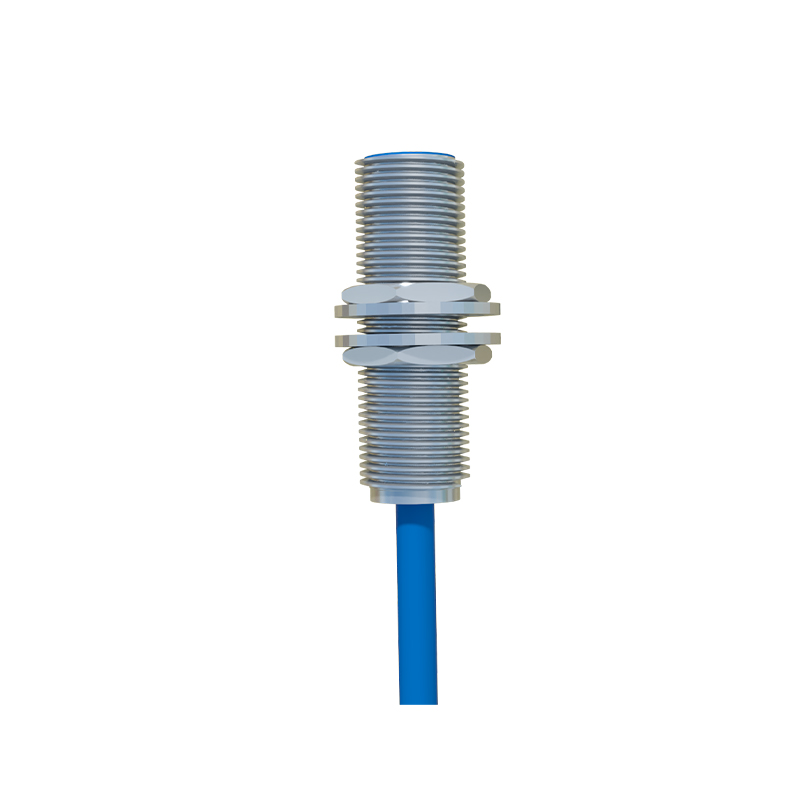
The landscape of proximity sensing has evolved dramatically with the advent of new technologies. Modern proximity sensors are no longer limited to traditional inductive or capacitive types. Innovations now include ultrasonic, photoelectric, and even LiDAR-based sensors that offer enhanced precision, longer ranges, and better environmental adaptability. These advancements are crucial for applications in automation, robotics, automotive systems, and smart manufacturing. The demand for sensors with higher reliability, miniaturization, and IoT connectivity is driving suppliers to continuously innovate. Understanding the key players in this sector is essential for engineers and procurement specialists aiming to integrate cutting-edge solutions into their projects.
Leading Global Suppliers and Their Offerings
Several established corporations dominate the market for new proximity sensors. Siemens AG stands out with its extensive range of inductive, capacitive, and ultrasonic sensors designed for industrial automation. Their sensors are known for robustness and seamless integration with PLC systems. Another major player, Omron Corporation, excels in providing compact, high-performance photoelectric and inductive sensors, often incorporating advanced features like background suppression and noise immunity. Pepperl+Fuchs is renowned for its expertise in hazardous environments, offering intrinsically safe and explosion-proof proximity sensors. Additionally, Balluff GmbH provides innovative solutions with IO-Link connectivity, enabling smart sensor networks that facilitate predictive maintenance and data analytics.
Emerging Innovators and Specialized Providers
Beyond the giants, numerous emerging companies are pushing the boundaries of sensor technology. IFM Electronic GmbH has gained recognition for its efficient and user-friendly sensors, particularly in the food and beverage and packaging industries, where hygiene and durability are paramount. Turck Inc. offers a versatile portfolio, including sensors with high temperature resistance and enhanced sensing ranges, suitable for harsh manufacturing conditions. Startups like Sensirion AG are introducing novel environmental sensing capabilities, integrating proximity detection with humidity and temperature monitoring. These specialized providers often focus on niche applications, delivering tailored solutions that address specific industry challenges, such as miniaturization for consumer electronics or high-speed detection for logistics automation.
Key Considerations for Supplier Selection
Choosing the right supplier involves evaluating multiple factors beyond product specifications. Technical support and application engineering services are critical, as they ensure proper sensor integration and troubleshooting. Lead times and supply chain reliability have become increasingly important, especially post-pandemic, to avoid production delays. Cost-effectiveness must be balanced with quality; opting for cheaper alternatives may compromise long-term performance and increase maintenance costs. Compliance with international standards, such as IEC and UL certifications, is non-negotiable for safety and interoperability. Furthermore, suppliers that offer comprehensive documentation, training resources, and robust warranty policies provide added value, reducing total cost of ownership and enhancing project success rates.
Future Trends and Market Outlook
The future of proximity sensors is intertwined with Industry 4.0 and the Industrial Internet of Things (IIoT). Suppliers are increasingly embedding intelligence into sensors, enabling features like self-diagnostics, adaptive sensing, and wireless communication. The integration of artificial intelligence and machine learning algorithms allows sensors to predict failures and optimize processes autonomously. Another trend is the development of multi-functional sensors that combine proximity, position, and environmental sensing in a single unit, reducing footprint and complexity. As sustainability gains emphasis, suppliers are also focusing on energy-efficient designs and eco-friendly materials. The market is expected to grow steadily, driven by automation in emerging economies and the expansion of electric vehicles and renewable energy systems, which rely heavily on precise sensing technologies.