Understanding the Role of a Proximity Sensor Engineer
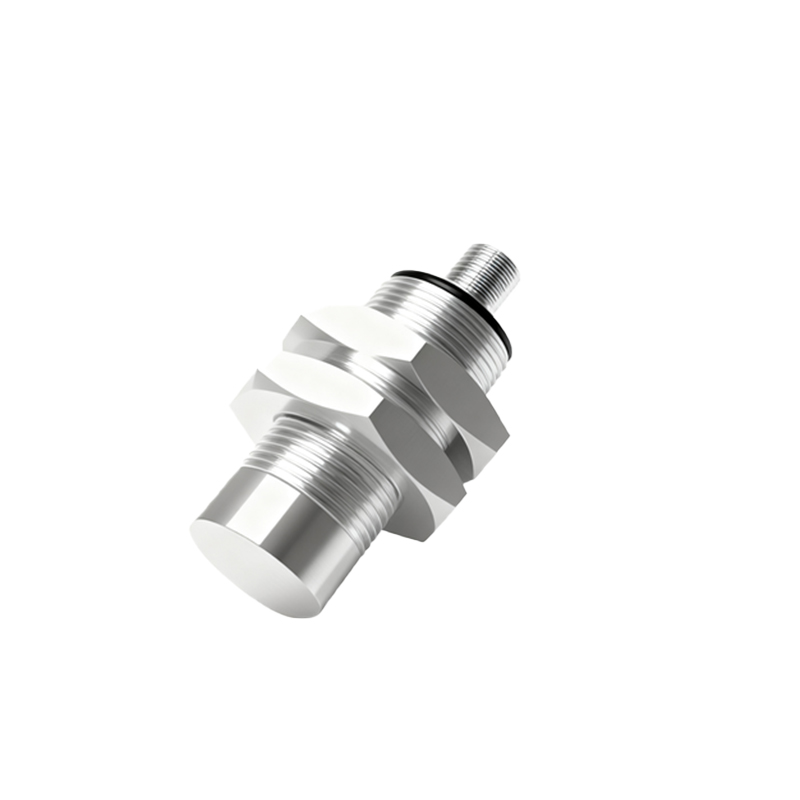
A Proximity Sensor Engineer is a specialized professional within the broader field of electrical and automation engineering. Their primary focus is on the design, development, testing, and implementation of non-contact sensing technologies. These sensors, including inductive, capacitive, ultrasonic, and photoelectric types, are critical components in modern industrial automation, automotive systems, consumer electronics, and robotics. The engineer's responsibilities often encompass circuit design, firmware development for signal processing, sensor integration into larger systems, troubleshooting, and ensuring reliability under various environmental conditions. This niche requires a solid foundation in electromagnetism, analog and digital electronics, and often, embedded systems programming.
Key Factors Influencing Salary Levels
The compensation for a Proximity Sensor Engineer is not a fixed figure but varies significantly based on several interrelated factors. Geographic location stands as a primary determinant, with tech hubs and industrial centers offering premium salaries. For instance, positions in regions like Silicon Valley, Germany's automotive belt, or major manufacturing zones in Asia typically command higher pay. Industry sector is equally crucial; aerospace, defense, and semiconductor industries often pay more than consumer goods or general manufacturing. Experience level naturally dictates earnings, with entry-level, mid-career, and senior roles having distinct brackets. Educational background (Bachelor's vs. Master's or PhD in Electrical Engineering or Mechatronics) and specific skill sets in areas like IoT connectivity, AI for predictive maintenance, or specific programming languages (C++, Python) also directly impact earning potential.
Global Salary Range Breakdown
Analyzing global salary data provides a clearer picture of earning potential. In the United States, the average annual salary for a Proximity Sensor Engineer ranges from approximately $75,000 for entry-level positions to well over $120,000 for senior engineers with specialized expertise, with a median hovering around $95,000. In Western Europe, countries like Germany and Switzerland offer strong compensation, with averages between €60,000 and €85,000 annually, reflecting the high cost of living and strong industrial base. In the United Kingdom, the range is typically £40,000 to £65,000. In emerging industrial economies in Asia, salaries can vary widely but are generally competitive within the local context, often ranging from $25,000 to $50,000 USD equivalent, with significant growth potential as the automation sector expands.
Comparison with Related Engineering Disciplines
How does this specialization compare financially to related fields? Generally, Proximity Sensor Engineers command salaries comparable to, or slightly above, general Electronics Engineers due to their niche expertise. However, they may earn slightly less than pure Software Engineers in major tech firms, though this gap narrows in industrial and automotive sectors where sensor expertise is at a premium. Compared to broader Automation Engineers, the salary is often very similar, with the specific sensor focus sometimes leading to higher pay in R&D-intensive roles. The key differentiator is that expertise in a high-demand sensing technology (like LiDAR for autonomous vehicles) can propel salaries significantly beyond these averages.
Career Path and Salary Progression
A typical career path begins with an entry-level role focusing on testing and support, with a salary at the lower end of the spectrum. Within 3-5 years, engineers often progress to design and development roles, seeing a substantial salary increase. Senior engineers or lead engineers, with 8+ years of experience, take on complex project leadership and architectural design, reaching the higher salary brackets. Beyond this, career progression can lead to managerial positions (Engineering Manager, Director of Hardware), principal engineer roles, or specialization in cutting-edge research. Each step correlates with a 15-30% increase in compensation, not including bonuses, profit-sharing, or stock options common in some industries.
Future Outlook and Earning Potential
The future earning potential for Proximity Sensor Engineers appears exceptionally positive. The driving forces of Industry 4.0, the Internet of Things (IoT), autonomous vehicles, and smart infrastructure are creating unprecedented demand for advanced, reliable, and intelligent sensing solutions. Engineers who continuously update their skills—particularly in areas integrating sensors with data analytics, machine learning for sensor fusion, and cybersecurity for connected devices—will be best positioned to command top salaries. The evolution towards miniaturization, lower power consumption, and enhanced sensitivity will ensure this field remains dynamic and well-compensated for the foreseeable future.