What Are Plug-in Proximity Sensors?
Plug-in proximity sensors, often referred to as cylindrical or barrel-style sensors with quick-disconnect connectors, are non-contact electronic devices designed to detect the presence or absence of metallic or non-metallic objects within a defined sensing range. Unlike traditional wired sensors that require direct wiring into a control panel, these sensors feature a built-in connector that plugs into a separate, pre-wired cable or socket. This design allows for rapid sensor replacement, simplified maintenance, and reduced machine downtime. They are a cornerstone in modern industrial automation, providing reliable object detection for positioning, counting, and safety applications without physical contact, thereby eliminating mechanical wear and tear.
Core Operating Principles
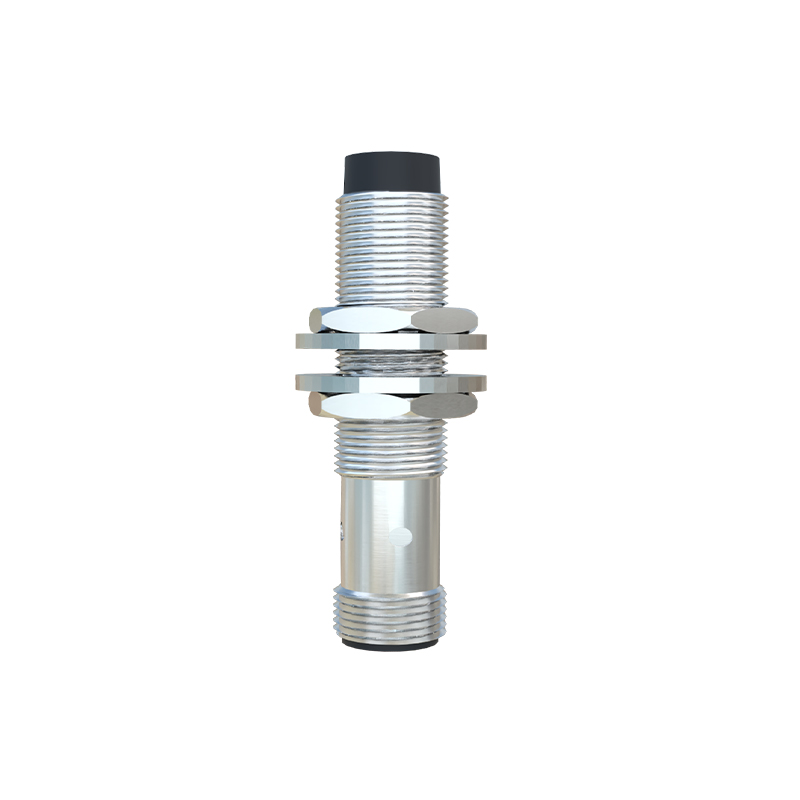
The functionality of plug-in inductive proximity switches hinges on electromagnetic fields. Inside the sensor's housing, an oscillator generates a high-frequency alternating magnetic field that radiates from the active face. When a conductive metal target enters this field, eddy currents are induced on the target's surface. This causes a change in the oscillation amplitude within the sensor's coil. An integrated evaluation circuit detects this change and triggers a solid-state output switch (typically PNP or NPN). For capacitive versions, the principle involves changes in capacitance when any material, metallic or non-metallic, disrupts the electrostatic field. This versatility makes plug-in sensors suitable for diverse materials, including plastics, liquids, and granular substances.
Key Advantages in Industrial Settings
The plug-in design offers unparalleled advantages in harsh industrial environments. First, it enables tool-less sensor replacement. A technician can simply unplug a faulty unit and insert a new one in seconds, dramatically reducing Mean Time To Repair (MTTR). Second, it enhances system reliability. The pre-wired cable harness, often with robust M8 or M12 connectors, remains securely installed, minimizing the risk of wiring errors or loose connections from repeated maintenance. Third, it improves inventory management. Standardized sensors can be stocked as spare parts without needing to stock complete wired assemblies. Finally, the sealed construction (typically IP67 or IP69K) ensures resistance to dust, coolants, oils, and high-pressure washdowns, guaranteeing longevity in demanding applications like automotive manufacturing, packaging, and material handling.
Critical Selection Parameters
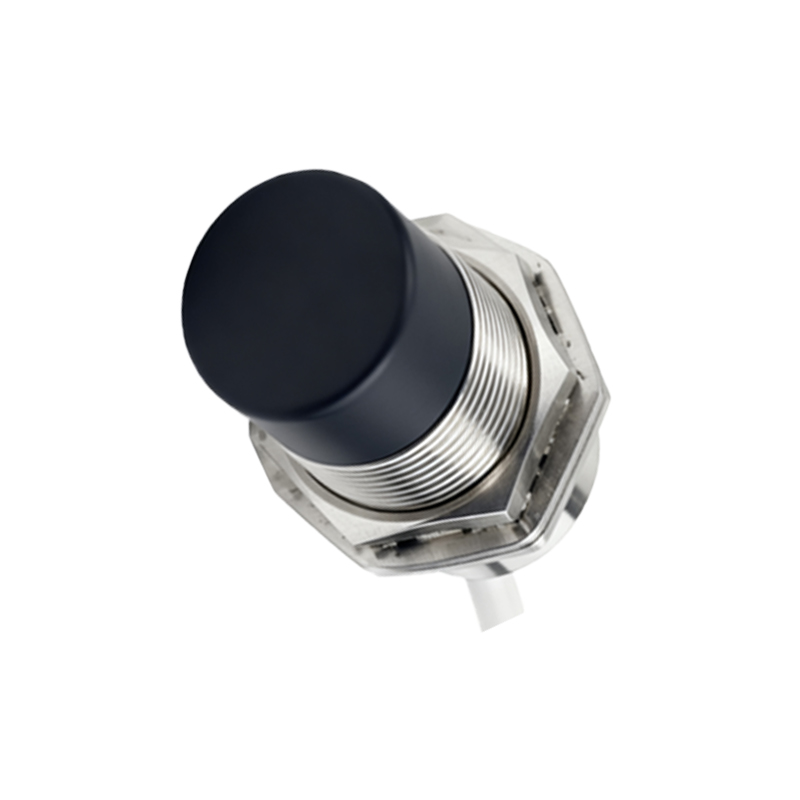
Choosing the correct plug-in proximity sensor requires careful analysis of several technical parameters. The sensing distance, or nominal range, is paramount and varies with target material and size. Engineers must consider the "factor 1" for steel and reduction factors for other metals like aluminum or copper. The housing material, usually nickel-plated brass or stainless steel, must be compatible with the environmental conditions to prevent corrosion. Output configuration (e.g., Normally Open/Normally Closed, 3-wire DC) must match the PLC input card specifications. Additionally, switching frequency defines how quickly the sensor can detect objects passing by, a critical factor in high-speed production lines. Ignoring these factors can lead to false triggers, unreliable operation, or premature sensor failure.
Installation and Commissioning Best Practices
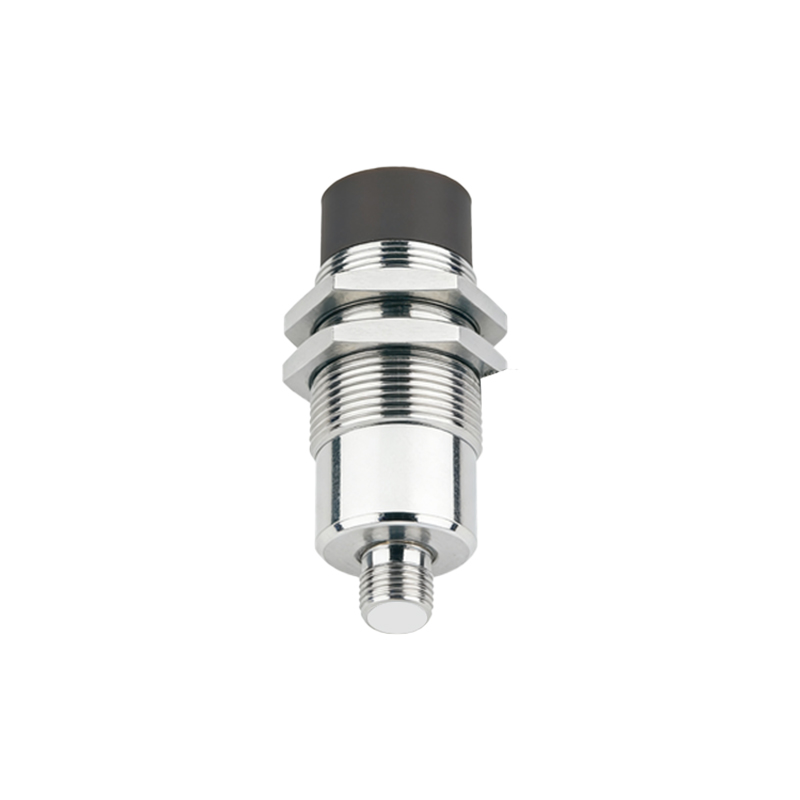
Proper installation is crucial for optimal sensor performance. A primary rule is to maintain adequate clearance around the sensor body. Metallic surroundings or adjacent sensors can cause mutual interference, reducing the effective sensing range. Using non-metallic mounting brackets is recommended. During commissioning, the sensor should be powered and the sensing distance verified with the actual target material. Many modern sensors feature an LED indicator for visual confirmation of the switching state. For flush-mountable models, they can be installed embedded in metal, while non-flush models require a free space around the sensing face for their larger magnetic field. Always follow the manufacturer's datasheet for specific mounting dimensions, temperature ratings, and electrical load requirements.
Common Applications and Use Cases
Plug-in proximity sensors find utility across virtually every industrial sector. In automotive assembly, they verify the presence of engine blocks on conveyor pallets. In packaging machinery, they detect foil lids on containers or count bottles. In metalworking, they monitor the position of robotic arms or tool changers. Capacitive versions are indispensable in food and beverage processing to detect liquid levels through glass or plastic walls. Their robustness also makes them ideal for harsh outdoor applications, such as detecting the position of crane hooks or monitoring bulk material levels in silos. The plug-in feature is especially valued in these applications where rapid line changeovers or frequent sanitation are necessary.
Troubleshooting and Maintenance Insights
Despite their robustness, sensors can malfunction. Common issues include failure to detect targets, erratic switching, or no output signal. A systematic approach starts with checking the power supply voltage and polarity. Next, inspect the target: is it within range, of the correct size and