Introduction to 9x Proximity Light Sensors
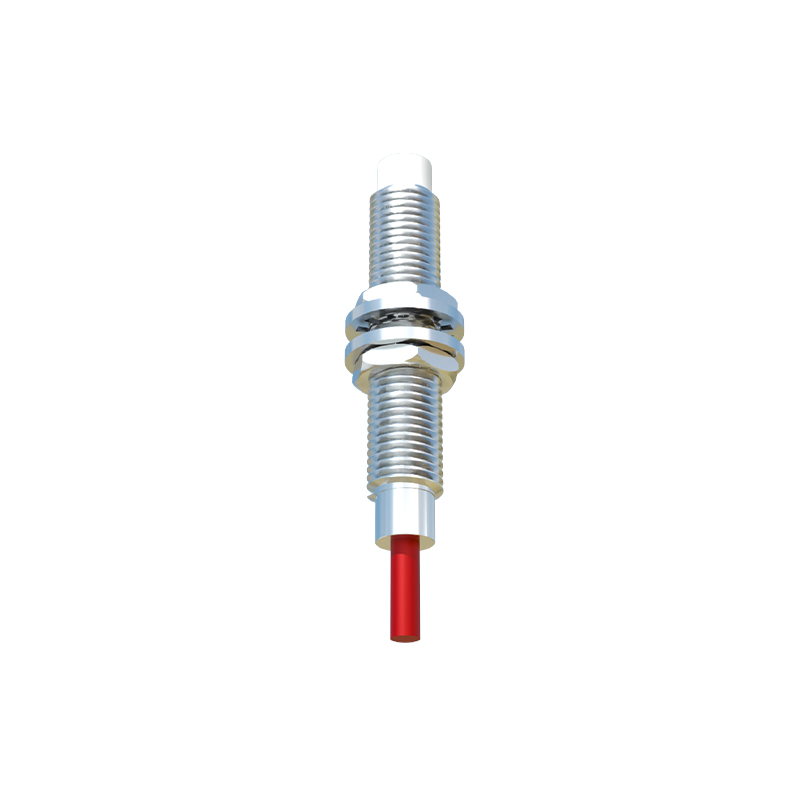
The 9x series of proximity light sensors represents a significant leap in optoelectronic technology, designed to meet the rigorous demands of modern industrial environments. These sensors utilize advanced infrared or laser light sources to detect the presence, absence, or position of objects without physical contact. By emitting a light beam and analyzing the reflection, they provide highly accurate and reliable data for automation systems. Their robust construction ensures durability in harsh conditions, including exposure to dust, moisture, and temperature variations, making them indispensable in sectors like manufacturing, automotive, and logistics. The core innovation lies in their enhanced signal processing algorithms, which minimize false triggers and improve response times, thereby optimizing operational efficiency and reducing downtime.
Key Technical Specifications and Operating Principles
At the heart of 9x proximity light sensors is a sophisticated combination of emitter and receiver components. The emitter typically uses a modulated infrared LED or laser diode to project a focused beam, while the receiver, often a phototransistor or photodiode, captures the reflected light. Key specifications include sensing ranges from a few millimeters to several meters, with adjustable sensitivity to accommodate diverse materials and surface properties. Operating voltages commonly range from 10-30V DC, ensuring compatibility with standard industrial power supplies. These sensors feature high switching frequencies, often exceeding 1 kHz, enabling rapid detection in high-speed applications. Additionally, built-in diagnostics and output options (such as NPN/PNP or analog signals) facilitate seamless integration into programmable logic controllers (PLCs) and other control systems, enhancing their versatility across automated processes.
Applications in Industrial Automation and Safety Systems
9x proximity light sensors are pivotal in enhancing both productivity and safety within industrial settings. In assembly lines, they precisely detect component placement, trigger robotic actions, and monitor conveyor belt movements, ensuring smooth workflow and quality control. For instance, in automotive manufacturing, these sensors verify the correct installation of parts like brake pads or airbags, preventing defects. In safety applications, they serve as non-contact guards for machinery, creating invisible barriers that halt equipment when an object or person enters a hazardous zone, thereby preventing accidents. They are also employed in packaging industries to count items, in logistics for pallet positioning, and in cleanrooms for contamination-free monitoring. Their ability to operate reliably in low-light or dirty environments makes them superior to mechanical switches, reducing maintenance needs and improving overall system resilience.
Advantages Over Traditional Sensing Technologies
Compared to conventional inductive or capacitive sensors, 9x proximity light sensors offer distinct benefits that drive their adoption. Their non-contact nature eliminates wear and tear, extending lifespan and reducing replacement costs. They can detect a wider variety of materials, including transparent, shiny, or non-metallic objects, which are challenging for other sensor types. The high precision and repeatability ensure consistent performance, critical for tasks requiring micron-level accuracy. Moreover, their fast response times enhance throughput in dynamic processes, while immunity to electromagnetic interference (EMI) guarantees stable operation in electrically noisy environments. Energy-efficient designs contribute to lower power consumption, aligning with sustainability goals. These advantages collectively lead to improved operational efficiency, cost savings, and enhanced safety protocols, making 9x sensors a preferred choice for modern industrial upgrades.
Installation, Calibration, and Maintenance Best Practices
Proper installation and calibration are crucial for maximizing the performance of 9x proximity light sensors. During setup, it is essential to align the emitter and receiver accurately, avoiding obstructions that could cause signal attenuation. Environmental factors like ambient light, reflective surfaces, or vibrations should be assessed to prevent false readings; using sensors with background suppression or polarized filters can mitigate these issues. Calibration involves adjusting the sensitivity threshold based on the target object's size, color, and distance, often via potentiometers or digital interfaces. Regular maintenance includes cleaning lenses to prevent dust buildup, checking wiring connections for corrosion, and verifying output signals with diagnostic tools. Implementing preventive schedules and training personnel on troubleshooting common faults, such as misalignment or power fluctuations, ensures long-term reliability and minimizes unplanned downtime in critical operations.
Future Trends and Innovations in Proximity Sensing
The evolution of 9x proximity light sensors is closely tied to advancements in Industry 4.0 and the Internet of Things (IoT). Future iterations are expected to incorporate smart features like wireless connectivity, enabling real-time data transmission to cloud platforms for predictive analytics and remote monitoring. Enhanced miniaturization will allow integration into compact devices, while improvements in energy harvesting could lead to battery-free operations. Artificial intelligence (AI) algorithms may be embedded to enable adaptive sensing, where sensors learn from environmental changes and self-adjust parameters for optimal detection.