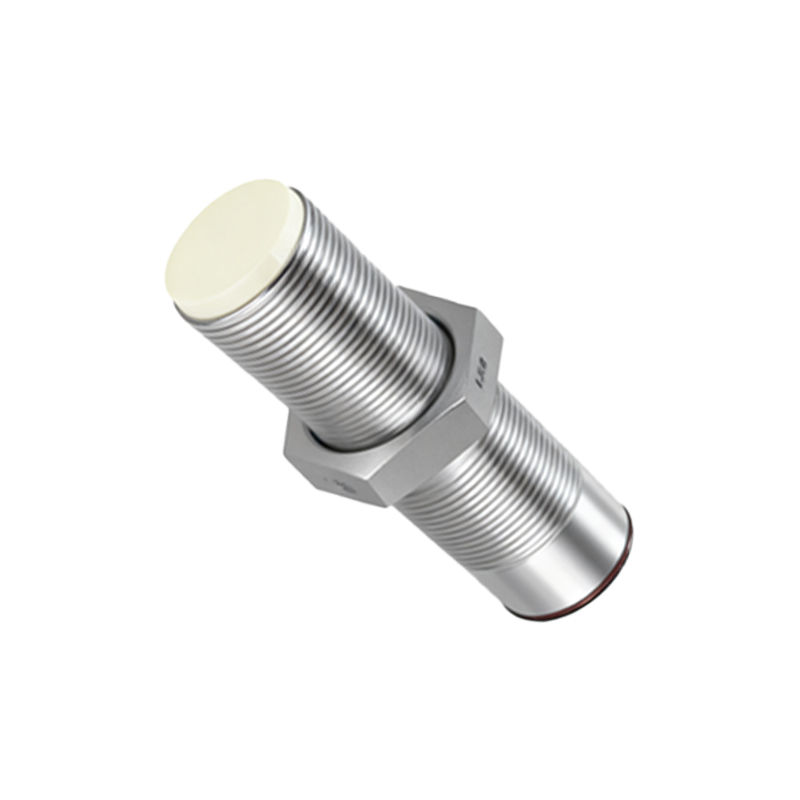
In today's rapidly automating industrial landscape, the demand for reliable, non-contact detection solutions is surging. Photoelectric proximity sensors stand at the forefront of this demand, offering unparalleled precision in detecting the presence, absence, or position of objects without physical contact. For sales professionals and distributors in the industrial automation sector, understanding the nuances of this product category is crucial for success. This guide delves into the core aspects of photoelectric proximity sensor sales, focusing on market drivers, key selection criteria for clients, and effective sales strategies.
The primary driver for increased sales is the global push towards Industry 4.0 and smart manufacturing. Facilities are upgrading their production lines with sensors that provide real-time data for predictive maintenance, quality control, and inventory management. Photoelectric sensors, with their fast response times, long sensing ranges, and ability to detect a wide variety of materials (including glass, plastic, metal, and liquids), are integral components of these intelligent systems. Unlike inductive sensors limited to metals, photoelectric variants offer versatile application potential, opening doors to diverse industries like packaging, food and beverage, automotive, and pharmaceuticals.
When engaging with potential buyers, sales conversations must move beyond basic specifications. Technical decision-makers are looking for partners who can solve specific application challenges. Key factors influencing a purchase decision include sensing mode, environmental robustness, and ease of integration. The three main operating modes—through-beam, retro-reflective, and diffuse—each have distinct advantages. Through-beam sensors, with separate emitter and receiver units, offer the longest range and highest reliability for clear detection paths. Retro-reflective types use a reflector and are ideal for medium ranges, while diffuse sensors, where the emitter and receiver are in one housing, are perfect for short-range detection where installing a reflector or separate receiver is impractical.
Environmental conditions are a critical sales point. Clients need sensors that can withstand their specific operational hazards, such as washdowns in food processing, oil mist in machining, or extreme temperatures. Highlighting products with high Ingress Protection (IP) ratings (e.g., IP67, IP69K), robust housing materials like stainless steel or specialized plastics, and resistance to ambient light interference is essential. Furthermore, with the rise of Industrial Internet of Things (IIoT), features like IO-Link connectivity are becoming significant differentiators. Sensors with IO-Link can transmit detailed diagnostic data (like lens contamination warnings or signal strength) directly to controllers, enabling condition monitoring and reducing unplanned downtime—a major value proposition for modern factories.
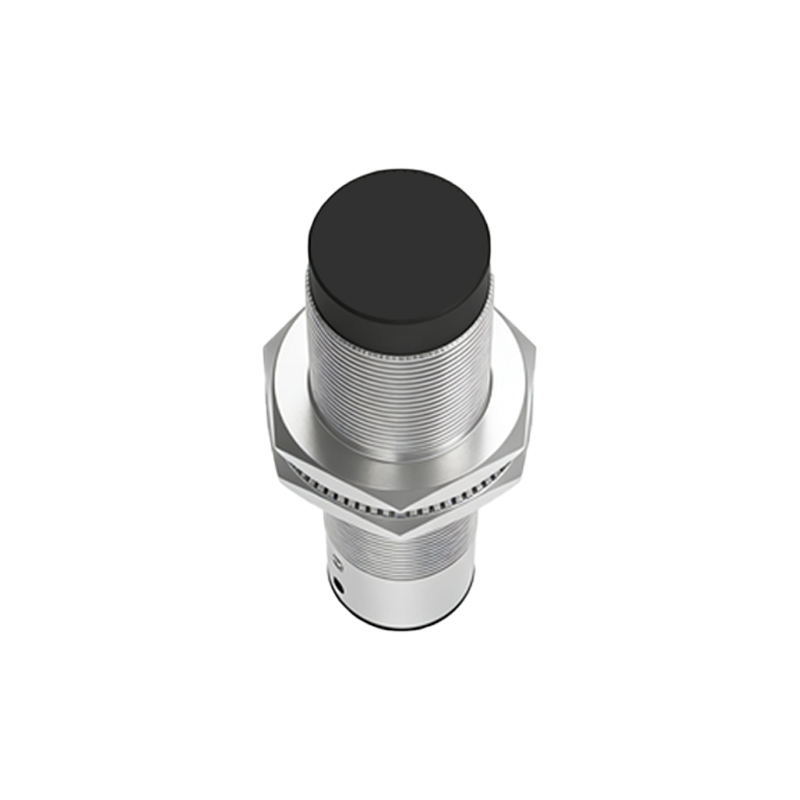
The competitive landscape requires a value-driven sales approach. While price is always a factor, competing solely on cost is a race to the bottom. Successful sales strategies emphasize total cost of ownership. This includes the sensor's longevity, reduced maintenance needs, compatibility with existing control systems (PLC brands like Siemens, Allen-Bradley, etc.), and the supplier's technical support capabilities. Providing comprehensive application support, detailed datasheets, CAD models for easy design-in, and reliable after-sales service builds long-term customer relationships. Demonstrating a deep product portfolio that includes miniature sensors for tight spaces, background suppression models for precise detection regardless of color or reflectivity, and fiber optic versions for extreme environments shows expertise and builds trust.
Finally, staying informed about market trends is vital. Miniaturization continues to be a strong trend, allowing sensors to fit into increasingly compact machinery. The integration of advanced functionalities, such as programmable logic or multi-point teaching for setting complex detection windows, is also growing. Sales professionals should position these advanced features as solutions for complex automation challenges, not just as technical specifications. By combining product knowledge with an understanding of the client's operational goals and pain points, sales efforts in photoelectric proximity sensors can transition from transactional product placement to strategic partnership, driving growth in this dynamic and essential segment of industrial automation.