In the world of industrial automation and machinery, the question of component selection is paramount. Among the myriad of sensing solutions available, cylindrical proximity sensors stand out as a common and versatile choice. But are they truly a good option for your application? The answer, as with most engineering decisions, is not a simple yes or no, but rather a detailed evaluation of their characteristics against specific needs.
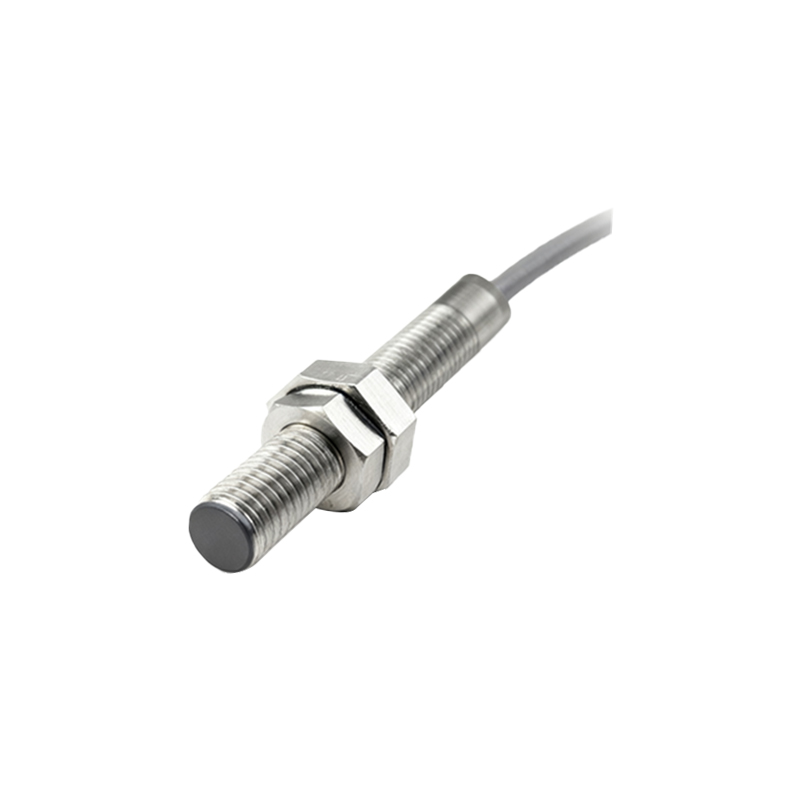
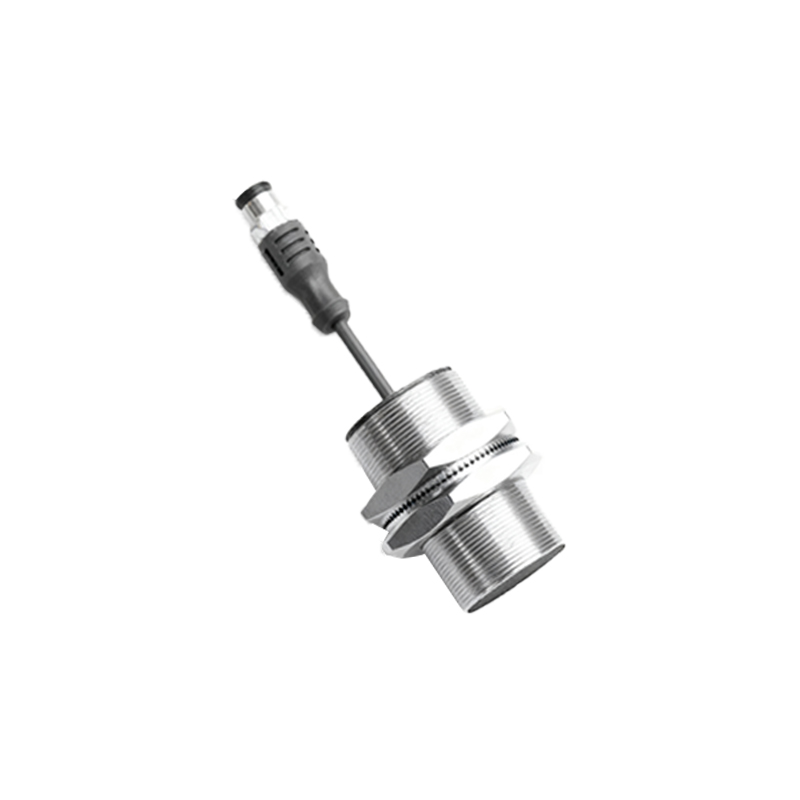
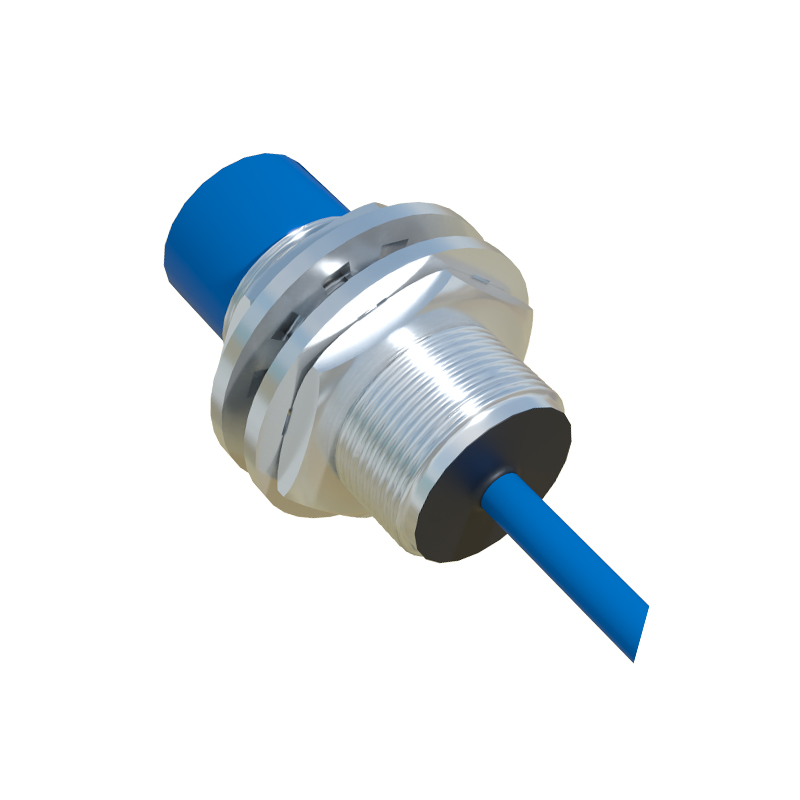
Cylindrical proximity sensors, named for their classic tubular metal housing, are non-contact devices that detect the presence or absence of a target object. They operate on various principles, with inductive, capacitive, and ultrasonic being the most prevalent. Inductive sensors, for instance, generate an electromagnetic field to detect metallic objects, making them workhorses in manufacturing environments. Their fundamental design offers inherent advantages. The robust metal housing provides excellent mechanical strength, high ingress protection (often reaching IP67 or IP69K ratings), and superior resistance to impacts, vibrations, and harsh industrial environments like coolants or metal chips. This durability translates directly into reliability and long service life, a critical factor for minimizing downtime.
Installation and integration are notably straightforward. The cylindrical shape allows for easy mounting in standard drilled holes using locknuts, ensuring a secure and stable fit. Their standardized form factors and widespread availability mean replacements or new integrations are rarely a sourcing challenge. Furthermore, many models offer a variety of output types (PNP/NPN, NO/NC, analog, IO-Link) and sensing ranges to fit diverse control system requirements. For applications involving metal detection—be it for position verification, counting, or end-of-travel limits—inductive cylindrical sensors are often the default, cost-effective, and highly effective solution.
However, the very features that make them excellent in one context can be limitations in another. The primary constraint is their shape. The cylindrical form factor requires a dedicated round mounting hole, which may not be feasible in space-constrained designs where flatter, rectangular sensors could be more suitable. While sensing ranges are adequate for many tasks, they are typically shorter than those offered by some specialized long-range sensors or photoelectric units. For inductive types, the material limitation is clear: they only detect metals. For non-metallic targets like glass, plastic, or liquid levels, a capacitive cylindrical sensor would be necessary, though its sensing range and environmental stability can differ.
Performance can also be influenced by the installation environment. In applications with extreme electromagnetic interference, careful shielding and grounding might be required. While resistant to surface contamination, heavy buildup of conductive material (like wet metal dust) on the active face can potentially cause false triggers. Therefore, understanding the specific environmental challenges is crucial.
So, are cylindrical proximity sensors good? The evaluation leads to a balanced conclusion. They are an exceptionally good choice when the application demands robust physical construction, reliable operation in tough conditions, simple installation, and the detection of metallic objects (or non-metals, with the capacitive variant) at short to medium ranges. Their proven track record and economic efficiency solidify their position as a cornerstone sensor technology.
Conversely, they might be a less optimal choice where extreme sensing distance is needed, where mounting space is severely limited and cannot accommodate a round hole, or where the target material requires a highly specialized sensing principle not well-served by the standard cylindrical offerings. The decision ultimately hinges on a clear analysis of the target material, required sensing distance, available mounting space, environmental conditions, and connectivity needs. By weighing these factors against the inherent strengths and weaknesses of the cylindrical design, engineers and technicians can confidently determine if this ubiquitous and reliable sensor is the right tool for the job, ensuring optimal performance and system integrity.