Introduction to Miniature Proximity Sensing
In the rapidly evolving landscape of industrial automation and precision electronics, the demand for compact, reliable sensing solutions has never been greater. Among these, proximity sensors with a diameter of 2.5mm represent a pinnacle of miniaturization, enabling detection in spaces previously deemed inaccessible. These sensors are non-contact devices designed to detect the presence or absence of metallic or non-metallic objects within a very short range, typically a few millimeters. Their ultra-small form factor does not compromise their robustness, making them indispensable in applications where size, weight, and precision are critical constraints. The core principle involves generating an electromagnetic field or a beam of light; a change in this field or the reception of reflected light indicates the presence of a target object.
Core Technologies and Operating Principles
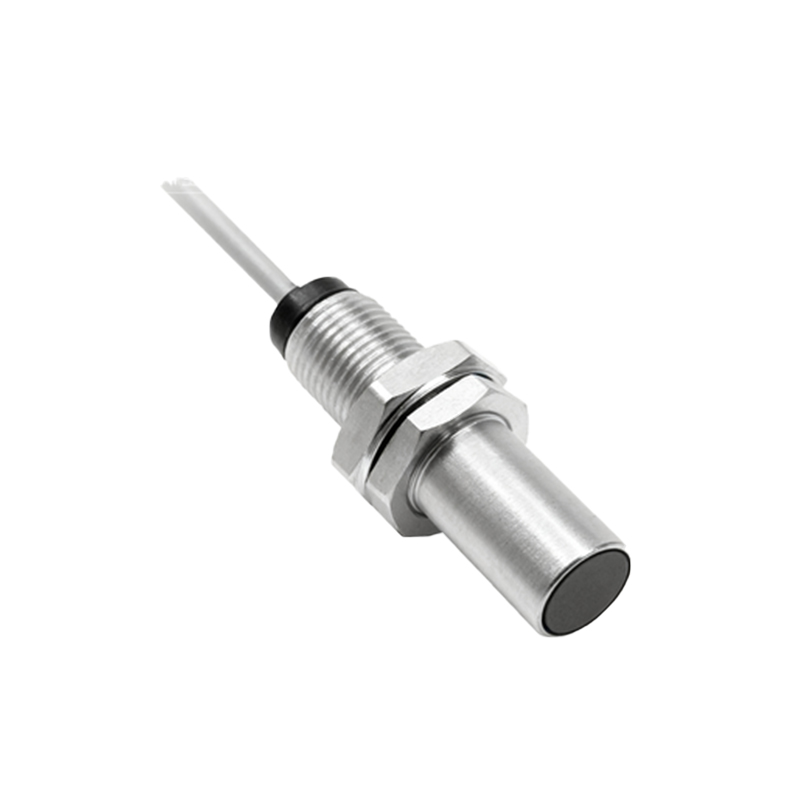
The 2.5mm diameter form factor primarily utilizes two fundamental technologies: inductive and photoelectric sensing. Inductive proximity sensors are the most common for this size. They operate by generating a high-frequency oscillating electromagnetic field from a coil within the sensor head. When a metallic object enters this field, eddy currents are induced in the target, causing a change in the oscillation amplitude. This change is detected by the sensor's circuitry, triggering a solid-state output switch. These sensors are ideal for detecting ferrous and non-ferrous metals. Photoelectric variants, though less common at this extreme miniaturization, use a tiny infrared LED and a phototransistor. In a through-beam configuration, the object interrupts the light beam; in a reflective mode, the sensor detects light reflected from the target. The choice between inductive and photoelectric depends entirely on the target material and environmental conditions.
Key Specifications and Performance Parameters
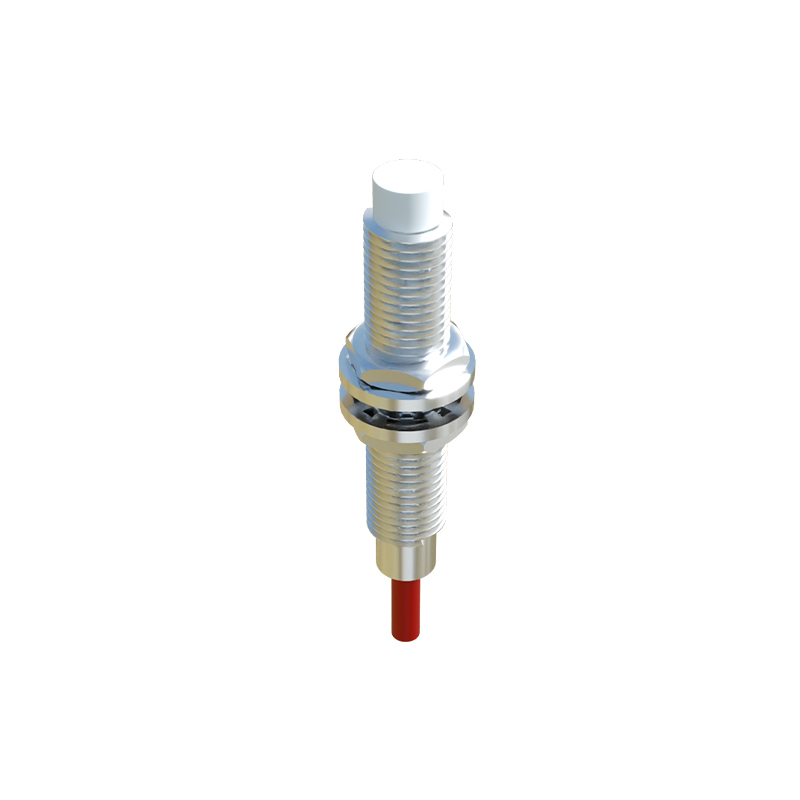
Understanding the specifications of a 2.5mm proximity sensor is crucial for correct selection. The sensing distance, or nominal range, for such a small sensor is typically between 0.5mm and 1.5mm, depending on the target material and technology. Repeat accuracy is exceptionally high, often in the micron range, which is vital for precision assembly and inspection tasks. The housing is usually made of stainless steel (e.g., SUS303, SUS304) or nickel-plated brass, offering high resistance to chemicals, oils, and mechanical stress. Electrical specifications include operating voltage (commonly 5-24V DC), output type (PNP/NPN, NO/NC), and current consumption. Despite their size, many models feature built-in protection against short-circuit, reverse polarity, and surge voltages. The response frequency can be remarkably high, exceeding 5 kHz, allowing for the detection of very fast-moving or vibrating objects on production lines.
Primary Industrial Applications and Use Cases
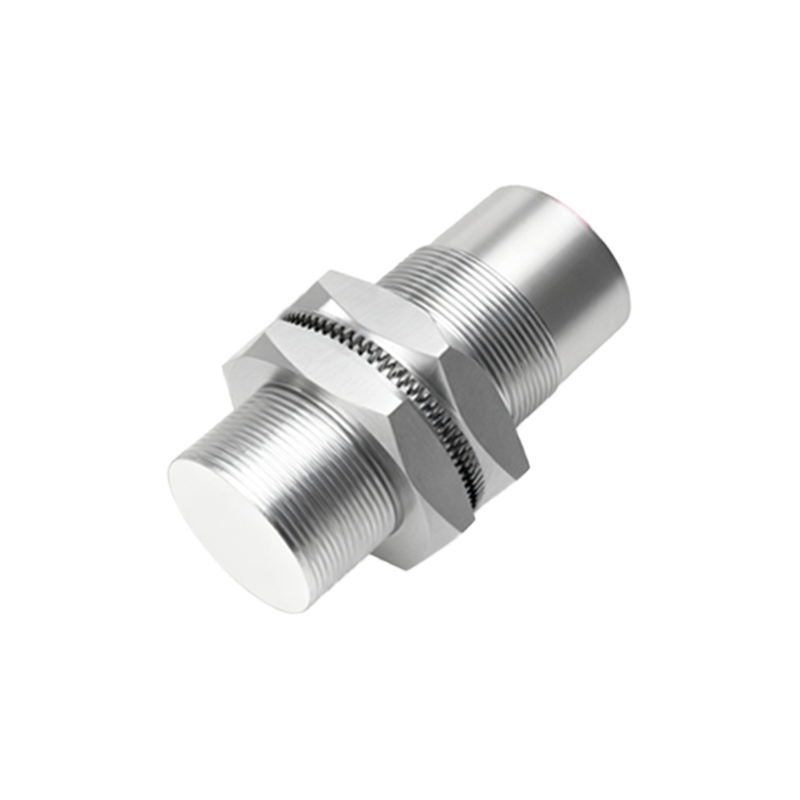
The application spectrum for 2.5mm diameter sensors is vast and focused on high-precision domains. In semiconductor manufacturing and electronics assembly, they are used to verify the presence of tiny components like chip capacitors, leads on integrated circuits, or the position of wafer cassettes. Within precision watchmaking and medical device manufacturing, these sensors confirm the placement of minuscule gears, springs, or surgical tool tips. They are integral to robotic end-effectors, providing feedback for gripper positioning and part presence verification in collaborative robots (cobots). Additionally, they serve as limit switches in compact linear actuators and as jam detection sensors in miniature printing mechanisms and textile machinery, where space around moving parts is severely limited.
Critical Selection Criteria and Installation Guidelines
Selecting the right 2.5mm sensor requires careful consideration. First, identify the target material: inductive for metals, photoelectric for most other materials including plastics, glass, and liquids. Next, evaluate the required sensing distance and ensure the target object will reliably enter this narrow window. The mounting conditions are paramount; these sensors often require precise threaded barrels (e.g., M2.5 threading) or smooth barrels for press-fit installation. Designers must account for flush or non-flush mounting characteristics, as inductive flush-mountable sensors have a reduced range but can be installed embedded in metal without affecting operation. Environmental factors such as temperature extremes, coolant exposure, or strong electromagnetic interference must be matched with the sensor's IP rating and construction. Proper electrical wiring using shielded cables is essential to prevent noise from affecting the sensitive signal.
Advantages, Limitations, and Comparison with Larger Sensors
The primary advantage of the 2.5mm sensor is its ability to solve spatial challenges, enabling automation in miniaturized products and dense machinery. It offers high precision and fast response without physical contact, eliminating wear and tear. However, its limitations are directly related to its size. The sensing range is very short, requiring