The Benchmark of Reliability in Industrial Sensing
In the demanding landscape of industrial automation, component longevity is not merely a desirable feature; it is a critical economic and operational imperative. The claim of a proximity sensor enduring 10 million actuation cycles represents a significant engineering milestone. This figure transcends marketing hyperbole, embodying a rigorous standard of reliability that directly impacts machine uptime, maintenance schedules, and total cost of ownership. Achieving such durability requires a holistic approach, integrating advanced materials science, precision manufacturing, and intelligent electronic design to create a device capable of withstanding relentless mechanical, electrical, and environmental stress over extended periods.
Deconstructing the 10 Million Cycle Challenge
To comprehend the scale of this achievement, one must consider the operational reality. A sensor rated for 10 million cycles, operating in a high-speed packaging line with a 1 Hz actuation frequency, can theoretically function continuously for over 115 days without failure. In practice, cycles accumulate intermittently over years of service. The primary threats to longevity are mechanical wear on the sensing face and internal components, thermal stress on electronic circuits from continuous operation or high ambient temperatures, and electrical degradation of the output switching element. Each cycle subjects the sensor to physical shock, potential ingress of contaminants, and an electrical load event, making the 10-million mark a testament to robust design.
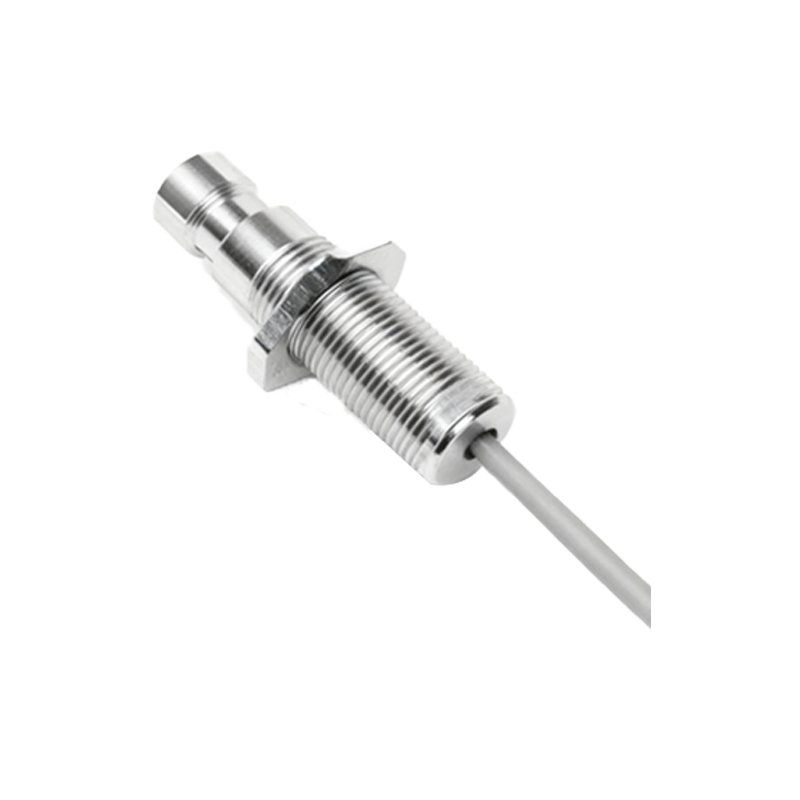
Core Engineering: Hermetic Sealing and Robust Housing
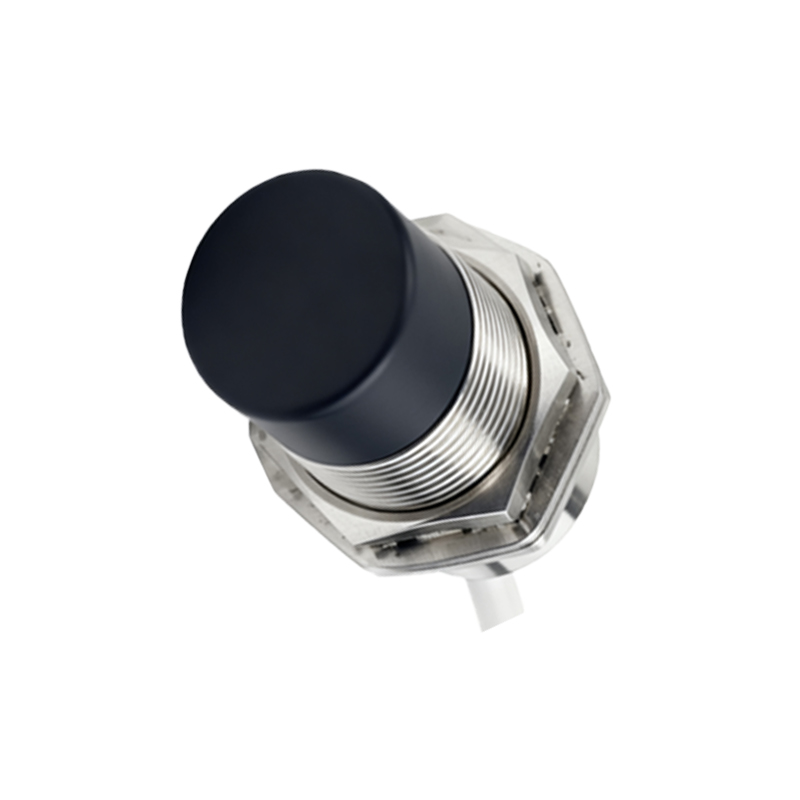
The first line of defense is the sensor's physical encapsulation. Achieving 10 million cycles necessitates a housing constructed from high-grade stainless steel (e.g., 303, 304, or 316 grades) or reinforced PBT/PPS plastics for corrosive environments. The critical innovation lies in the hermetic seal between the sensing face and the body. Advanced laser welding or glass-to-metal fusion techniques create a bond impervious to oils, coolants, metallic dust, and washdown procedures. This seal prevents the ingress of contaminants that could abrade the sensing coil or short-circuit internal electronics, which is the leading cause of premature sensor failure in harsh settings.
The Heart of Longevity: Advanced Coil and Circuit Design
Internally, the sensor's durability is governed by its oscillator circuit and coil assembly. Engineers utilize precision-wound coils with high-purity copper wire and Class H or higher insulation materials to withstand thermal cycling. The integrated circuit (ASIC) is designed for minimal heat generation and stable operation across a wide voltage range (typically 10-30V DC). Voltage spike suppression circuits, reverse polarity protection, and short-circuit protection are standard. These features ensure that the electronic core does not become the weak link, maintaining a stable sensing field and consistent switching performance through millions of electrical transitions.
Output Stage: The Solid-State Advantage
The switching component is paramount. For sensors boasting ultra-high cycle life, solid-state MOSFET or thyristor outputs are essential. Unlike mechanical relays, these semiconductor switches have no moving parts to wear out. Their switching speed is exceptionally fast, reducing arcing and heat generation. They are coupled with robust overcurrent protection. This solid-state design allows for virtually limitless theoretical switching cycles, with the actual limit then defined by the other mechanical and environmental protection factors, effectively enabling the 10 million cycle benchmark.
Validation Through Rigorous Testing Protocols
Such a durability claim is not theoretical. It is validated through accelerated life testing in environmental chambers. Sensors undergo continuous cycling at elevated temperatures (e.g., 70°C) and under maximum electrical load. Vibration, shock, and IP-rated ingress protection tests (like IP67 or IP69K) are conducted concurrently. These tests simulate years of harsh operation in a condensed timeframe, providing empirical data to support the cycle life rating. Compliance with international standards (IEC 60947-5-2) further substantiates the performance claims.
Application Impact: Beyond the Number
The practical benefits of a 10-million-cycle sensor are profound. In automotive manufacturing, they ensure reliable positioning feedback for robotic welders through millions of car bodies. In material handling, they provide consistent detection on high-speed sortation systems. This reliability minimizes unplanned downtime, reduces spare part inventory costs, and allows for predictive maintenance scheduling rather than reactive repairs. The return on investment becomes clear through enhanced overall equipment effectiveness (OEE).
Selecting and Implementing for Maximum Life
To realize the full potential of this durability, correct selection and installation are crucial. Factors include choosing the appropriate sensing distance (typically 70-80% of rated), ensuring proper mounting to avoid physical damage, and providing a stable, clean power supply. Adequate electrical shielding in cable runs prevents noise interference. Even the most durable sensor will underperform if installed