Introduction to Photoelectric Sensor Testing
In the realm of industrial automation, the reliability of photoelectric sensors is paramount. These devices, which detect the presence, absence, or distance of objects using a light transmitter and receiver, are critical components in manufacturing, packaging, and material handling systems. A failure can lead to costly downtime, production errors, and safety hazards. Therefore, rigorous performance testing is not merely a recommendation but an essential practice. Specialized photoelectric sensor performance testing instruments are designed to simulate real-world operating conditions and provide quantifiable data on key parameters. These tools enable maintenance engineers and system integrators to verify sensor functionality, diagnose issues, and ensure optimal system performance before, during, and after installation. This guide delves into the core instruments and methodologies used in professional-grade testing.
Core Testing Parameters and Metrics
Effective testing begins with understanding what to measure. The performance of a photoelectric sensor is defined by several key parameters. Sensing distance, or range, is fundamental; it determines how far the sensor can reliably detect a target. Response time is another critical metric, indicating how quickly the sensor can react to a change in the detected object's status, which is vital for high-speed applications. The beam characteristics, including alignment and spot size, directly affect precision. Additionally, environmental immunity to factors like ambient light, dust, moisture, and electrical noise must be assessed. A comprehensive testing instrument will provide accurate readings for these metrics, often comparing them against the sensor's original specifications to identify any degradation or misalignment.
Primary Types of Testing Instruments
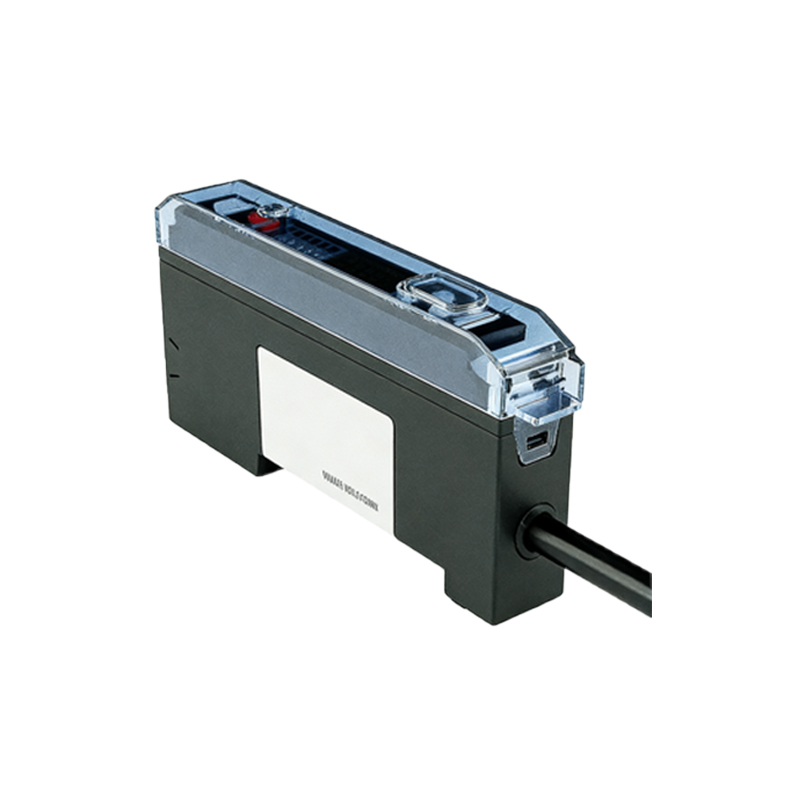
The market offers a variety of instruments tailored for different testing needs. The most common is the dedicated sensor tester or simulator. These handheld devices typically feature adjustable controls to vary the simulated target distance, reflectivity, and size. High-end models can generate precise pulse signals to test response times and may include oscilloscope functionality to analyze the sensor's output waveform. Another essential tool is the optical power meter, used specifically to measure the intensity of the light beam emitted by the sensor's transmitter. For alignment purposes, laser alignment tools and boresight devices are invaluable, especially for through-beam sensors where precise optical axis alignment is crucial. Finally, environmental chambers are used in more advanced labs to test sensor performance under extreme temperatures, humidity, or vibration.
Standard Testing Procedures and Best Practices
A systematic approach ensures consistent and reliable results. The procedure typically starts with a visual inspection of the sensor and its lens for contamination or damage. Next, using a sensor tester, the technician verifies the basic on/off functionality by simulating a target within the nominal sensing range. The sensing distance is then calibrated by gradually moving the simulated target away until the sensor's output switches state, noting the exact point. Response time testing involves using the tester's pulse function to measure the delay between the simulated target appearance and the sensor's electrical response. Beam alignment checks, particularly for through-beam systems, require careful use of alignment tools to ensure the transmitter and receiver are perfectly coaxial. Documenting all readings and comparing them to the manufacturer's datasheet is a critical final step.
Advanced Diagnostic Features in Modern Testers
Contemporary photoelectric sensor testers have evolved into sophisticated diagnostic platforms. Many now feature digital displays showing real-time values for distance, signal strength (often as a percentage), and output status. Bluetooth connectivity allows for data logging and transfer to a computer or mobile device for trend analysis and report generation. Some instruments incorporate teaching functions for sensors with programmable parameters, enabling field configuration without the need for a separate programming unit. Advanced diagnostic modes can help identify intermittent faults by monitoring signal stability over time or by introducing controlled interference, such as modulated ambient light, to test the sensor's immunity. These features transform the tester from a simple verification tool into a comprehensive diagnostic asset.
Importance of Calibration and Maintenance of Test Equipment
The accuracy of any testing regimen hinges on the precision of the instruments used. Regular calibration of photoelectric sensor testers against known standards is non-negotiable. Over time, the internal components, such as light sources and receivers, can drift, leading to false readings. Manufacturers typically specify a calibration interval, often annually, which should be strictly adhered to in a professional setting. Furthermore, proper maintenance of the test equipment itself—keeping lenses clean, batteries charged, and the unit protected from physical shock—ensures longevity and reliability. Using an uncalibrated or faulty tester to judge a sensor's performance is counterproductive and can lead to incorrect conclusions and subsequent system failures.
Integrating Testing into Predictive Maintenance Programs
Proactive maintenance strategies are increasingly replacing reactive fixes. Integrating photoelectric sensor performance testing into a predictive maintenance (PdM) schedule is a best practice for modern facilities. By periodically testing critical sensors during planned downtime, technicians can establish performance baselines. Subsequent tests can reveal trends, such as a gradual decrease in signal strength or increased response time, indicating impending failure. This data-driven approach allows for the replacement of sensors during scheduled maintenance windows, preventing unplanned outages. The portability and speed of modern testers make this feasible, turning sensor testing from a troubleshooting activity into a strategic component of overall equipment effectiveness (OEE) and operational reliability.
Conclusion and Future Trends
The landscape of photoelectric sensor testing continues to advance alongside sensor technology itself. The future points towards even greater integration and intelligence. We can anticipate testers with enhanced connectivity for the Industrial Internet of Things (IIoT), capable of automatically uploading performance data to centralized maintenance management systems. Artificial intelligence algorithms may be employed to analyze test results and predict failures with higher accuracy. Furthermore, as sensors become more complex with integrated IO-Link and other smart communication protocols, testers will need to evolve to interface with and diagnose these digital parameters. For industry professionals, staying abreast of these developments and investing in capable, calibrated testing instrumentation remains the cornerstone of ensuring robust and reliable automation systems.