Introduction to Infrared Photoelectric Sensors
Infrared photoelectric sensors are pivotal components in modern elevator systems, serving as the eyes of the control mechanism. These sensors operate by emitting infrared light beams and detecting their reflection or interruption, enabling precise monitoring of elevator doors, car positions, and passenger presence. Unlike mechanical switches, they offer non-contact detection, which minimizes wear and tear, thereby extending the lifespan of elevator components. The adoption of infrared technology in elevators has revolutionized safety protocols, ensuring that doors do not close on passengers or objects, and that the car aligns accurately with floor levels. This foundational technology is integral to meeting international safety standards, such as EN 81-20/50, which mandate reliable door protection systems. As elevators become smarter with IoT integration, the role of infrared sensors expands beyond basic safety to include predictive maintenance and energy optimization, making them indispensable in both new installations and retrofit projects.
Working Principle and Components
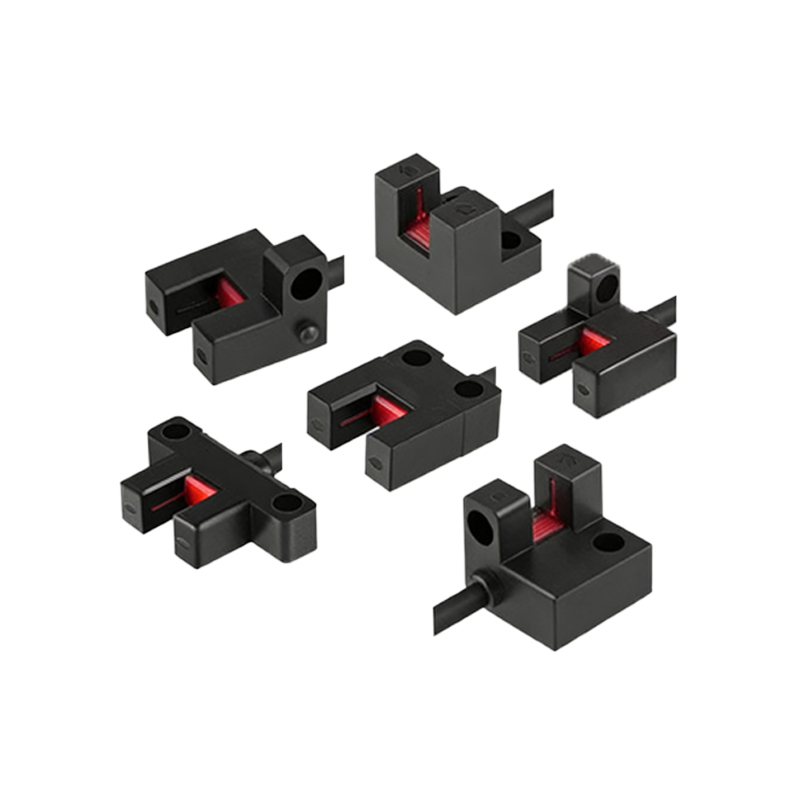
The core functionality of infrared photoelectric sensors hinges on the modulation and detection of infrared light. Typically, these sensors consist of an emitter, a receiver, and a signal processing unit. The emitter generates a focused infrared beam, often at wavelengths between 850 nm to 950 nm, which is invisible to the human eye to avoid distraction. When the beam encounters an object—such as a passenger entering an elevator—it reflects back to the receiver or gets interrupted, triggering a change in the electrical output. In through-beam configurations, separate emitter and receiver units are placed opposite each other, offering high accuracy over long distances. In retro-reflective setups, a single unit combines both functions, using a reflector to bounce the beam back. Diffuse sensors rely on direct reflection from objects themselves. For elevator applications, through-beam and retro-reflective types are preferred for door safety due to their reliability in detecting even small obstructions, while diffuse sensors might be used for interior occupancy sensing. Advanced models incorporate background suppression to ignore distant objects, reducing false triggers in crowded lobbies.
Applications in Elevator Safety Systems
In elevator safety, infrared photoelectric sensors are primarily deployed for door zone protection and leveling control. Door sensors, often installed on both sides of the elevator entrance, create an invisible curtain of infrared beams. If any beam is broken during door closure—indicating an obstruction—the control system immediately reverses the door motion, preventing accidents. This is crucial for compliance with safety regulations that require reaction times under 0.1 seconds. Additionally, sensors monitor the door's fully open and closed positions, ensuring proper sequencing before car movement. For leveling, infrared sensors detect the car's alignment with floor landings, correcting minor deviations to within ±5 mm, which enhances accessibility for wheelchairs and reduces trip hazards. In high-speed elevators, these sensors work in tandem with encoders to provide real-time positional feedback, enabling smooth acceleration and deceleration. Beyond basic functions, they are integrated into fire mode operations, where sensors help guide elevators to designated floors during emergencies, and into anti-nuisance features that prevent door reopening due to environmental factors like air currents.
Advantages Over Traditional Sensing Methods
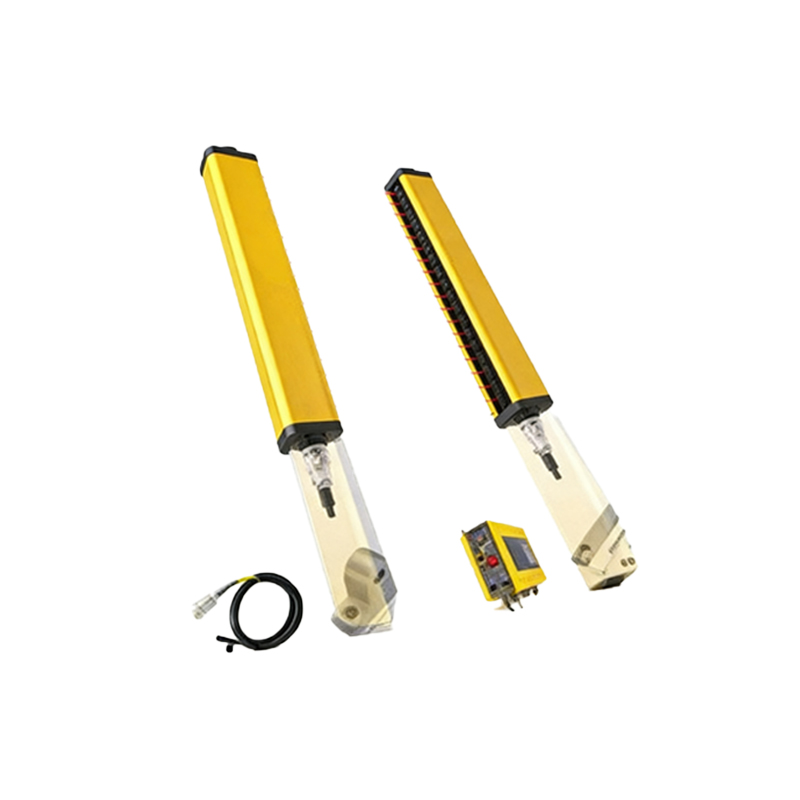
Infrared photoelectric sensors offer significant advantages compared to traditional mechanical or ultrasonic alternatives. Their non-contact nature eliminates physical wear, leading to lower maintenance costs and higher reliability—a key factor in elevators that undergo thousands of cycles daily. They provide faster response times, typically under 10 milliseconds, which is essential for preventing door-related injuries. Unlike ultrasonic sensors, which can be affected by temperature fluctuations or soft materials, infrared beams are less prone to environmental interference, ensuring consistent performance in diverse conditions from sub-zero temperatures to tropical humidity. Moreover, their precision allows for finer detection resolutions, capable of sensing objects as thin as a few millimeters, such as a child's hand or a pet leash. Energy efficiency is another benefit, as modern sensors consume minimal power, often operating on low-voltage DC supplies that align with elevator energy recovery systems. From an installation perspective, their compact design and flexible mounting options simplify integration into existing elevator architectures without major modifications.
Installation and Maintenance Best Practices
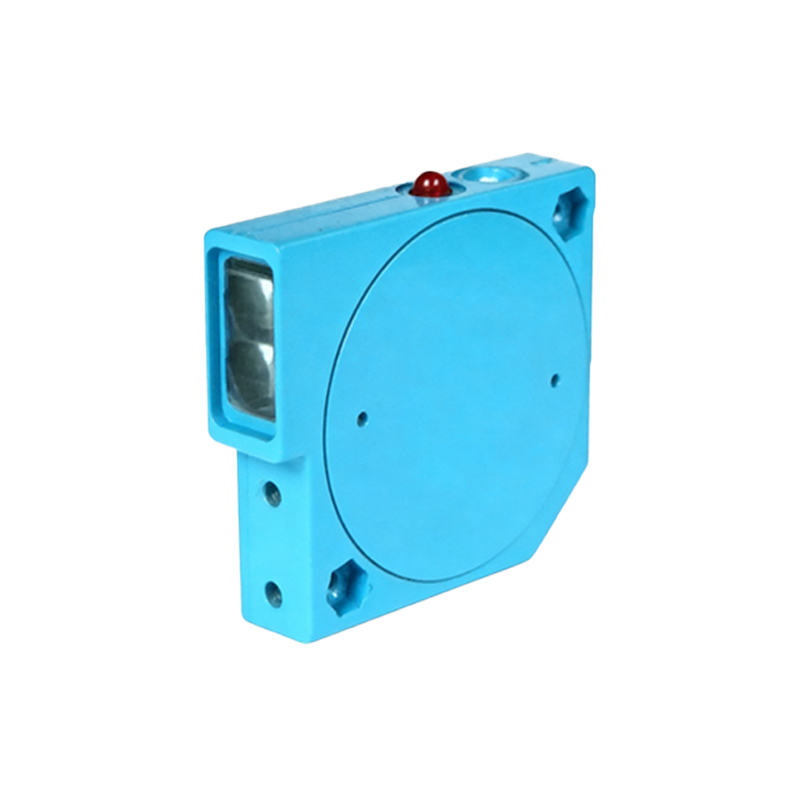
Proper installation and maintenance are critical to maximizing the performance of infrared photoelectric sensors in elevators. During installation, alignment must be precise; even minor misalignments can cause false signals or detection failures. Technicians should use laser alignment tools to ensure emitter and receiver pairs are perfectly oriented, especially in through-beam setups. The sensors should be mounted securely to avoid vibration-induced shifts, which are common in elevator shafts. Environmental factors must be considered: lenses should be kept clean from dust and debris, and protective housings may be needed in harsh conditions. For maintenance, regular testing is recommended—simulating obstructions to verify response times and checking for lens contamination. Diagnostic features in smart sensors, such as LED indicators or output signal monitoring, can preempt failures by alerting to declining performance. Calibration might be required after component replacements or structural adjustments. It is also advisable to follow manufacturer guidelines for voltage tolerances and electromagnetic compatibility to prevent interference from elevator motors or communication systems. Documenting maintenance logs helps track sensor lifespan, typically around 10-15 years, and plan timely replacements.
Future Trends and Innovations
The evolution of infrared photoelectric sensors in elevators is closely tied to advancements in smart building technologies. Future trends include the integration of multi-beam arrays that create 3D detection fields, offering enhanced protection by covering larger areas with fewer sensors. These arrays can distinguish between humans and inanimate objects, reducing false alarms. Another innovation is the incorporation of IoT connectivity, allowing sensors to transmit real-time data to cloud-based platforms for predictive analytics. For instance, gradual decreases in signal strength might indicate lens fouling, triggering automated maintenance alerts before a failure occurs. Energy harvesting capabilities are also emerging, where sensors power themselves from ambient light or vibrations, eliminating wiring needs. In terms of materials, the use of ruggedized, IP67-rated enclosures is becoming standard for resilience against moisture and physical impacts. Furthermore, AI algorithms are being developed to interpret sensor data patterns, enabling features like crowd management during peak hours or adaptive door timing based on passenger flow. As elevators move toward fully autonomous operation, infrared sensors will play a central role in ensuring safety while interfacing with other systems like access control and destination dispatch.
Conclusion
Infrared photoelectric sensors are fundamental to the safety, efficiency, and reliability of modern elevator systems. By providing accurate, non-contact detection, they prevent accidents, ensure precise operation, and reduce maintenance demands. As technology progresses, these sensors will continue to evolve, incorporating smarter features that align with the growing demands of urban infrastructure. For engineers and building managers, understanding their principles, applications, and upkeep is essential for optimizing elevator performance and adhering to global safety standards. Embracing innovations in this field not only enhances passenger experience but also contributes to sustainable building practices through energy savings and longevity. Ultimately, the ongoing refinement of infrared sensing technology underscores its critical role in shaping the future of vertical transportation.