Introduction to Huachuang Photoelectric Sensors
Huachuang Photoelectric Sensors represent a significant advancement in industrial automation and control systems. These devices utilize light beams to detect the presence, absence, or distance of objects, playing a crucial role in various applications from manufacturing lines to packaging systems. Engineered with precision, Huachuang sensors are designed to deliver reliable performance in challenging environments, offering high accuracy and fast response times. Their robust construction ensures durability against dust, moisture, and mechanical vibrations, making them a preferred choice for engineers seeking dependable sensing solutions. By integrating advanced optical technology, these sensors provide consistent operation, reducing downtime and maintenance costs in industrial settings.
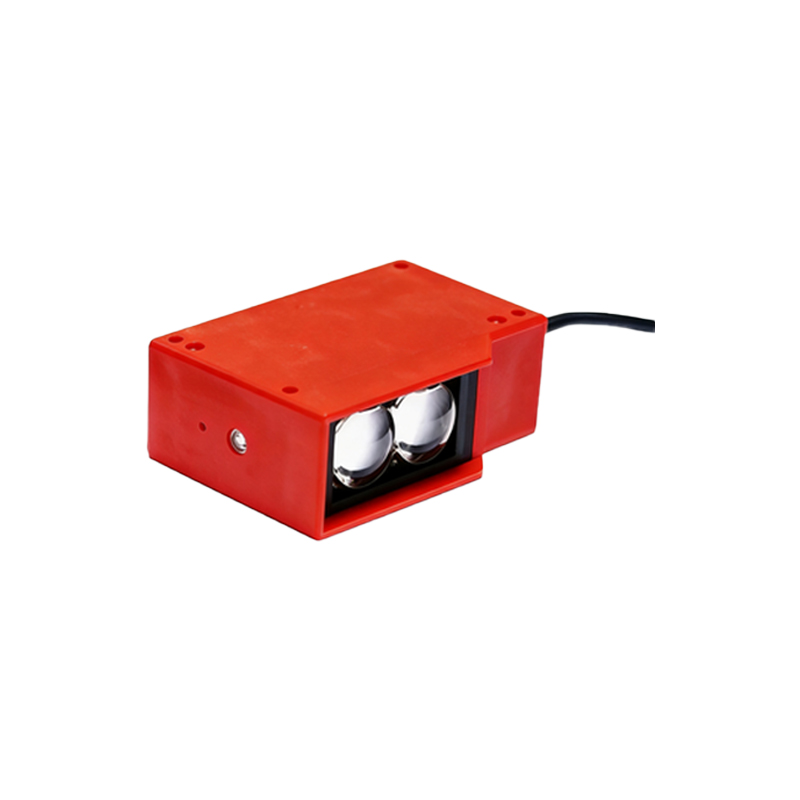
Key Technical Specifications and Performance
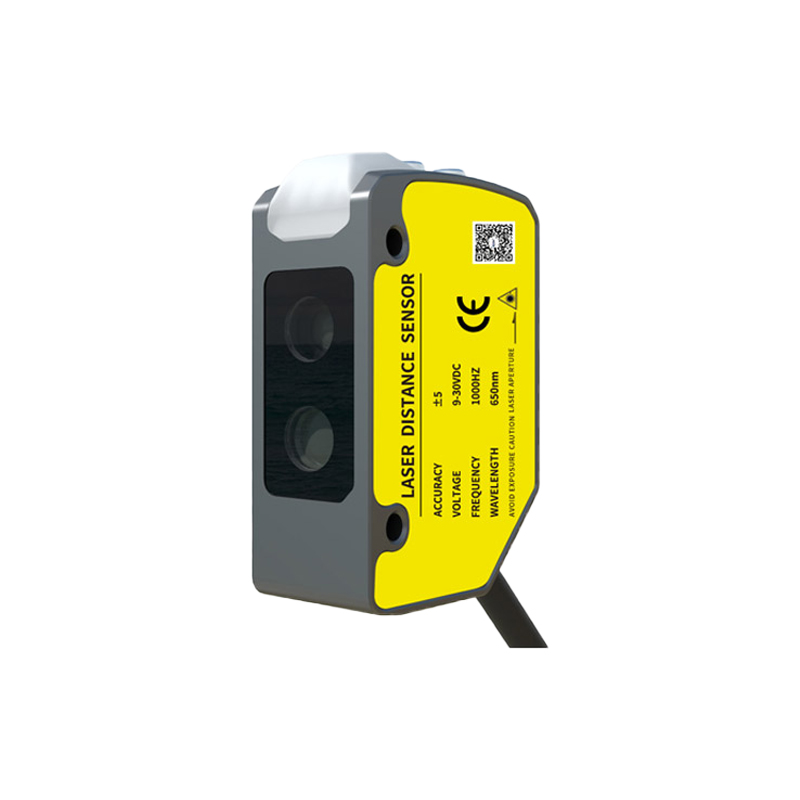
The performance of Huachuang Photoelectric Sensors is defined by several critical technical parameters. Typically, these sensors feature detection ranges from a few centimeters to several meters, with options for diffuse, retro-reflective, and through-beam models to suit different application needs. Response times are often in the microsecond range, enabling high-speed detection for fast-moving production lines. Many models incorporate adjustable sensitivity settings, allowing fine-tuning to avoid false triggers from ambient light or background interference. With operating temperatures ranging from -25°C to 70°C, they maintain functionality in extreme conditions. Additionally, their IP67 or higher ingress protection ratings ensure resistance to water and dust, enhancing longevity in harsh industrial environments.
Applications in Industrial Automation
In industrial automation, Huachuang Photoelectric Sensors are deployed across diverse sectors. In automotive assembly lines, they detect component positioning and verify part presence, ensuring precise robotic operations. Within the packaging industry, these sensors monitor product flow on conveyors, count items, and control filling levels. They are also integral to material handling systems, where they prevent jams by detecting object positions and guiding automated sorting processes. In electronics manufacturing, the sensors assist in PCB alignment and component verification, contributing to quality control. Their versatility extends to logistics, where they facilitate warehouse automation by tracking inventory movement on pallets and shelves.
Advantages Over Competing Sensor Technologies
Compared to alternative sensing technologies like inductive or capacitive sensors, Huachuang Photoelectric Sensors offer distinct benefits. Their non-contact detection capability eliminates wear and tear, extending service life and reducing maintenance. They can sense a wide variety of materials, including transparent, opaque, and reflective surfaces, whereas inductive sensors are limited to metals. With faster response speeds, they outperform many mechanical switches, enabling higher throughput in automated processes. The ability to detect small objects and precise positions provides superior accuracy, crucial for applications requiring fine tolerances. Furthermore, their immunity to electromagnetic interference ensures stable operation in electrically noisy environments, a common challenge in industrial plants.
Installation and Maintenance Best Practices
Proper installation is essential for optimizing Huachuang Photoelectric Sensor performance. Engineers should mount sensors securely to minimize vibration effects, aligning emitter and receiver lenses accurately to prevent signal loss. Environmental factors like ambient light, dust, or steam must be considered; using protective housings or filters can mitigate interference. Regular maintenance involves cleaning lenses with soft cloths to avoid scratches and checking wiring connections for corrosion or looseness. Calibration should be performed periodically, especially after environmental changes, to maintain detection accuracy. Implementing diagnostic tools, such as LED indicators for alignment and output status, simplifies troubleshooting and reduces downtime during operations.
Future Trends and Innovations
The future of Huachuang Photoelectric Sensors is shaped by emerging trends in Industry 4.0 and smart manufacturing. Innovations include the integration of IoT connectivity, enabling real-time data monitoring and predictive maintenance through cloud-based platforms. Enhanced sensing algorithms are improving object discrimination, allowing sensors to differentiate between colors, shapes, or materials with higher precision. Miniaturization efforts are producing compact models for space-constrained applications without sacrificing performance. Additionally, energy-efficient designs are reducing power consumption, aligning with sustainability goals in industrial operations. As automation evolves, these sensors are expected to incorporate AI-driven features for adaptive control, further boosting efficiency and reliability in dynamic production environments.
Conclusion and Recommendations
Huachuang Photoelectric Sensors stand out as robust and versatile components in modern industrial systems. Their technical excellence, coupled with broad applicability, makes them a valuable asset for engineers aiming to enhance automation processes. When selecting a model, professionals should assess specific requirements such as detection range, environmental conditions, and response speed to ensure optimal fit. For long-term success, pairing these sensors with regular maintenance and staying updated on technological advancements is advised. Overall, Huachuang's commitment to innovation and quality positions its photoelectric sensors as a reliable choice for driving productivity and precision across various industries.