Understanding Proximity Switch Fundamentals
Proximity switch sensors, often simply called proximity sensors, are non-contact electronic devices designed to detect the presence or absence of an object within a defined sensing range. They operate on various principles, primarily inductive, capacitive, and magnetic (Reed switch or Hall effect). Inductive sensors detect metallic objects, capacitive sensors can detect both metallic and non-metallic materials, and magnetic sensors respond to permanent magnets. The core function is to provide a reliable switching signal without physical contact, thereby eliminating mechanical wear and enabling high-speed operation in demanding industrial environments like assembly lines, packaging machinery, and robotic systems. Their reliability directly impacts production uptime, safety, and product quality.
Key Performance Differentiators: What Defines "Good"?
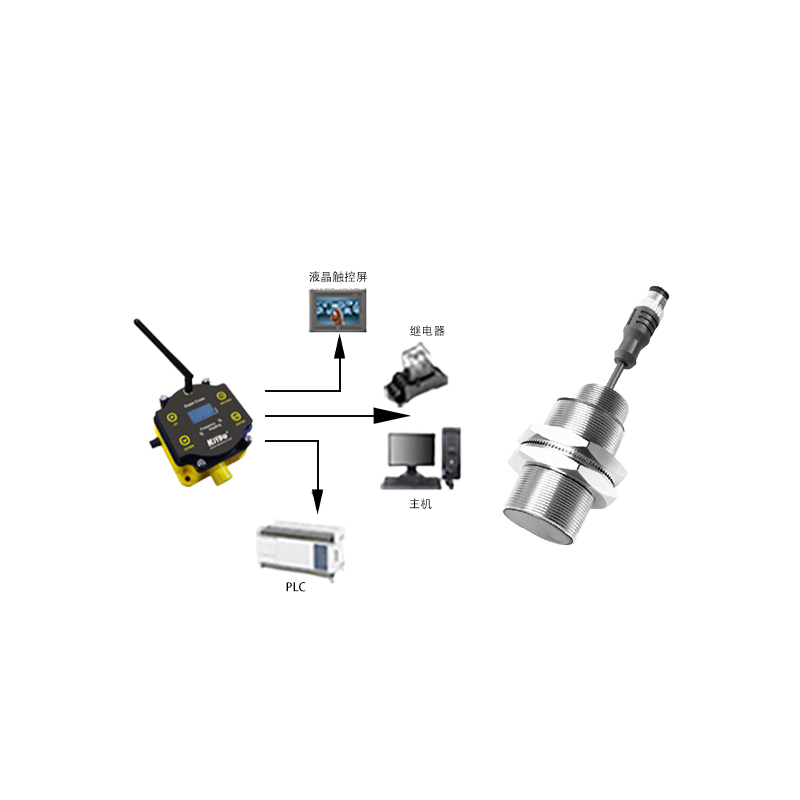
The notion of "good" versus "bad" in proximity sensors is less about binary categorization and more about performance grading relative to application requirements. A high-quality sensor excels in several key areas. First, sensing distance consistency and repeatability are paramount; a "good" sensor provides a stable and precise switching point with minimal variance, even under temperature fluctuations or voltage instability. Second, environmental robustness is crucial. This includes high immunity to electrical noise (EMI/RFI), resistance to chemicals, oils, and coolants, and an ingress protection (IP) rating suitable for the operating environment (e.g., IP67 for washdown areas). Third, construction quality matters. Premium sensors feature robust housings (often stainless steel or PBT plastic), laser-welded seals, and high-grade electronic components that ensure long-term stability and resistance to shock and vibration.
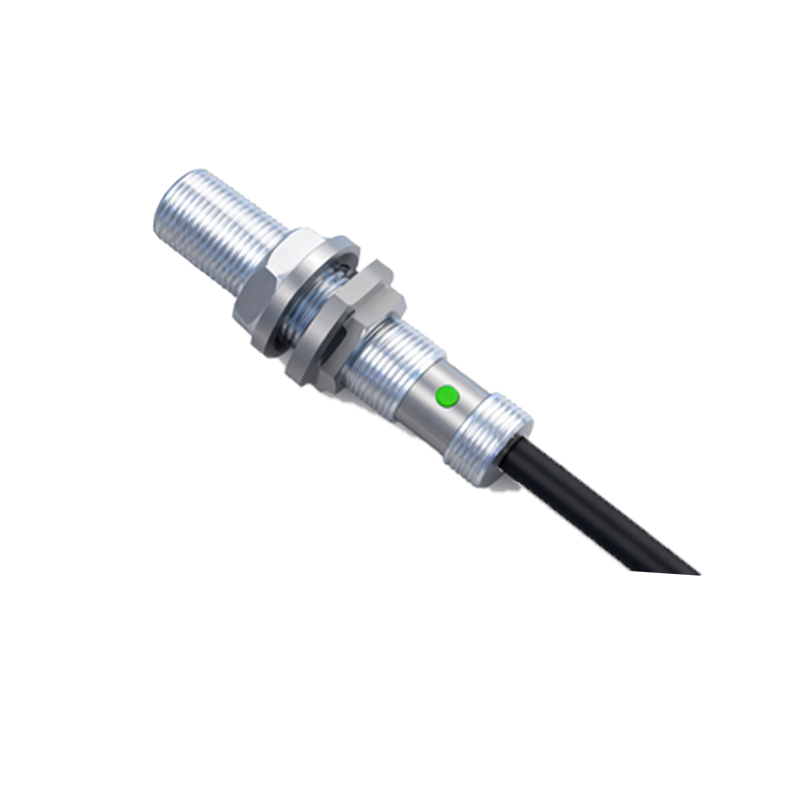
Common Pitfalls and "Bad" Sensor Characteristics
Conversely, sensors considered inferior or "bad" for industrial use typically exhibit consistent failure patterns. A primary issue is short operational lifespan and premature failure, often due to poor sealing leading to internal condensation or corrosion. Inconsistent sensing range, where the actual switch point drifts over time or with temperature changes, causes unreliable machine operation. Low noise immunity results in false triggering from nearby variable-frequency drives (VFDs) or welding equipment, creating phantom faults that are difficult to diagnose. Other red flags include plastic housings that crack under stress or UV exposure, poorly plated connectors that corrode, and the use of substandard internal springs or reed switches in magnetic sensors that fatigue quickly. These flaws lead to increased downtime, maintenance costs, and potential safety risks.
The Impact of Sensing Technology and Design
The underlying technology itself isn't inherently good or bad, but its implementation defines performance. For instance, a basic inductive sensor with a simple oscillator circuit is cost-effective but may have a shorter range and poorer temperature compensation. A "good" inductive sensor incorporates advanced ASICs (Application-Specific Integrated Circuits) that provide temperature drift compensation, teach-in functionality, and built-in diagnostics like short-circuit and overload protection. Similarly, in capacitive sensors, superior designs include sensitivity adjustment mechanisms and shielding to ignore mounting surfaces, preventing false actuation. The design of the sensing face and coil geometry also significantly affects range and detection profile, with well-designed sensors offering more precise and focused sensing fields.
Application Context: The Right Sensor for the Job
A sensor deemed "excellent" for one application might perform poorly in another. Therefore, suitability is a critical measure of quality. Using a standard inductive sensor to detect a non-ferrous metal like aluminum will result in a drastically reduced sensing range—a "bad" outcome if not specified correctly. A capacitive sensor perfect for detecting liquid levels might falsely trigger in a humid environment if not properly adjusted or shielded. High-speed applications demand sensors with fast response times and output frequencies, while heavy-duty applications require sensors with welded stainless steel housings. A "good" procurement strategy involves a thorough analysis of the target object material, required sensing distance, environmental conditions, electrical requirements (PNP/NPN, NO/NC), and required certifications (e.g., ATEX for hazardous areas).
Economic Considerations: Total Cost of Ownership
The initial purchase price is a poor sole indicator of quality. A "bad" sensor, in economic terms, is one that increases the total cost of ownership (TCO). This includes costs from unplanned downtime, production rejects due to faulty detection, labor for frequent replacement, and inventory costs for holding spares. A "good" sensor, even with a higher upfront cost, offers a lower TCO through extended mean time between failures (MTBF), consistent performance that ensures product quality, and features like LED status indicators that reduce troubleshooting time. Investing in sensors from reputable manufacturers with strong technical support and reliable supply chains often proves more economical than repeatedly replacing failed low-cost units.