Proximity sensors have become ubiquitous components in modern technology, silently enabling functionality across a vast spectrum of industries. These non-contact devices detect the presence or absence of an object within a specified range without any physical contact. Their operation is based on various principles, including electromagnetic fields, infrared radiation, and ultrasonic sound waves, each suited to different environmental conditions and target materials. The core value of a proximity sensor lies in its ability to provide a reliable, fast, and often critical input to a control system.
One of the most visible and widespread applications is in the consumer electronics sector. Smartphones and tablets integrate miniature proximity sensors to conserve battery life and prevent accidental screen touches. When a user holds the phone to their ear during a call, the sensor detects the proximity of the head and automatically turns off the display. Similarly, laptops use these sensors to detect when the lid is closed, triggering sleep mode. Beyond personal devices, interactive kiosks and digital signage often employ proximity sensors to activate content when a person approaches, enhancing user engagement.
In the automotive industry, proximity sensors are fundamental to advanced driver-assistance systems (ADAS) and general vehicle safety. Ultrasonic sensors embedded in bumpers provide the audible feedback for parking assistance systems, measuring the distance to obstacles. More sophisticated systems use radar and LiDAR, which are essentially long-range proximity detection technologies, for adaptive cruise control, blind-spot monitoring, and collision avoidance. Inside the cabin, sensors can detect the presence of a passenger to enable or disable airbag deployment, a critical safety feature.
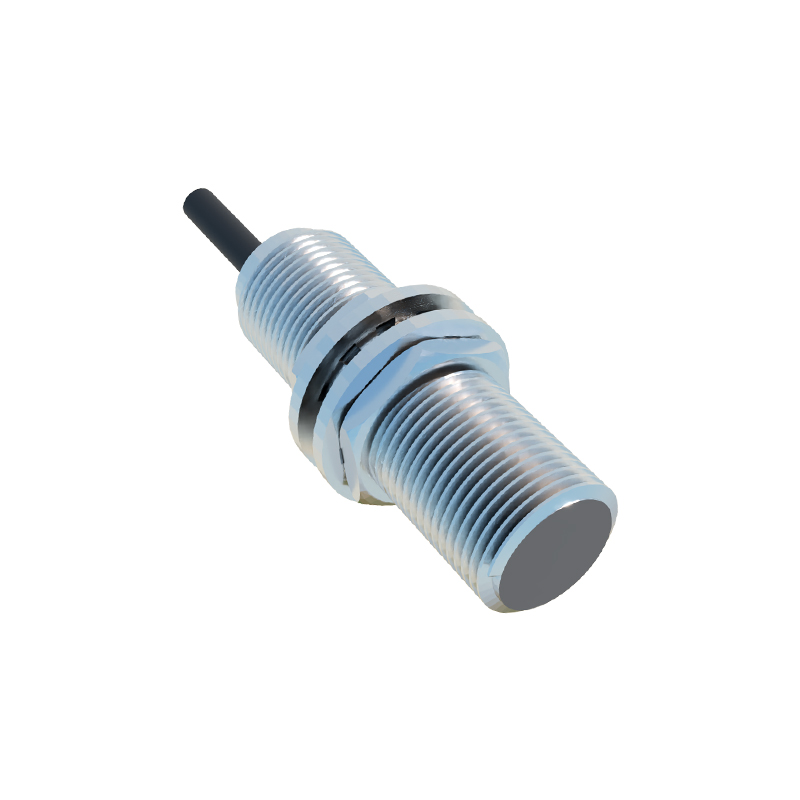
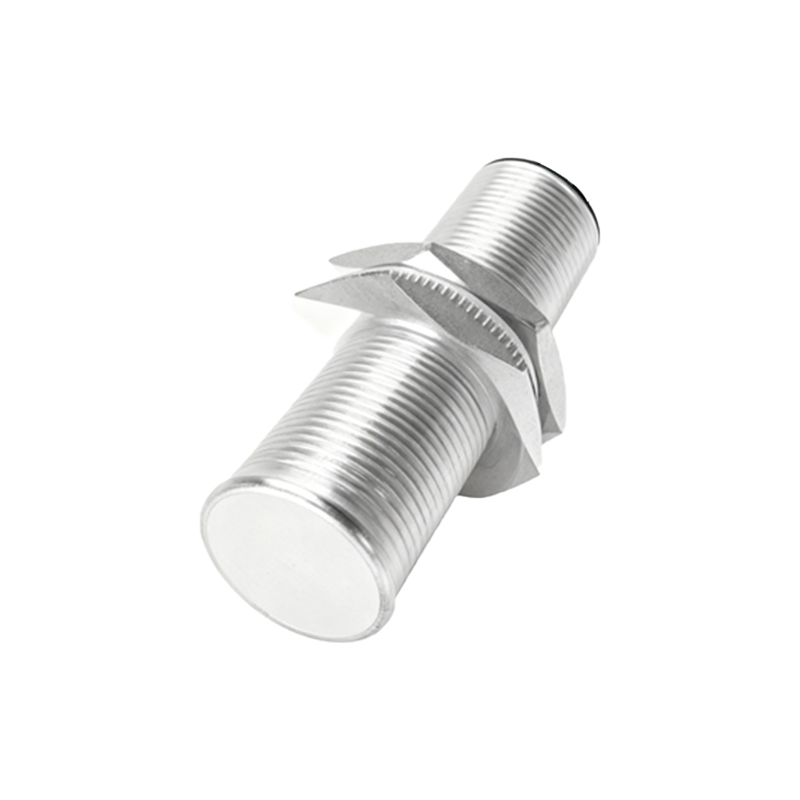
Industrial automation represents perhaps the most demanding environment for proximity sensors. Here, they are the workhorses of production lines. Inductive sensors, which detect metallic objects, are used for precise positioning, counting, and monitoring of machine parts on conveyor belts. They can confirm if a component is present before a robotic arm performs an operation or if a metal bottle cap is properly seated. Capacitive sensors, which can detect both metallic and non-metallic materials like wood, plastic, or liquids, are used in level detection for tanks and silos or to detect the presence of a product in packaging machinery. Their robustness, speed, and reliability are essential for maintaining high throughput and preventing costly downtime.
The realm of robotics and drones heavily relies on proximity sensing for navigation and obstacle avoidance. Robots operating in dynamic environments, such as warehouses or hospitals, use arrays of sensors to map their surroundings and avoid collisions with people, equipment, and walls. Drones utilize downward-facing sensors to maintain a stable hover height above the ground and forward-facing sensors to navigate complex environments autonomously. This capability is crucial for applications in delivery, inspection, and aerial photography.
Security and access control systems integrate proximity sensors to enhance protection. Motion-activated lighting, which often uses passive infrared (PIR) sensors, is a common energy-saving and security application. More secure access points use proximity card readers, where a sensor detects the coded information from a key fob or card. In building automation, sensors can detect when a room is occupied to automatically adjust lighting and HVAC settings, contributing significantly to energy efficiency.
Even everyday household appliances incorporate this technology for improved usability and safety. Automatic faucets and soap dispensers in public restrooms use infrared sensors to detect hands, promoting hygiene and reducing water waste. Modern vacuum cleaners use sensors to avoid falling down stairs or bumping into furniture. Some advanced kitchen appliances use proximity detection to turn on interfaces when a user approaches.
Looking forward, the applications for proximity sensors continue to expand with the growth of the Internet of Things (IoT) and smart infrastructure. They will play a pivotal role in creating more intuitive human-machine interfaces, safer autonomous systems, and more efficient industrial and urban environments. Their evolution towards smaller sizes, lower power consumption, and greater intelligence through sensor fusion ensures they will remain a foundational technology, operating unseen but essential in an increasingly automated world.