Market Overview of Proximity Sensors in Putuo District
The industrial landscape of Putuo District, a key manufacturing and logistics hub, has seen a consistent demand for automation components, with proximity sensors being a critical element. The pricing of these sensors is not a static figure but a dynamic variable influenced by a complex interplay of global supply chains, local market competition, and technological evolution. This district, home to numerous electronics suppliers and system integrators, offers a wide spectrum of proximity sensors, ranging from basic inductive models to sophisticated capacitive and ultrasonic variants. The market is characterized by the presence of both international brands like Omron, Sick, and Pepperl+Fuchs, and competitive domestic manufacturers. This diversity creates a pricing environment where buyers must navigate between premium reliability and cost-effective solutions, making an understanding of the underlying cost drivers essential for procurement professionals and engineers.
Key Factors Influencing Price Variations
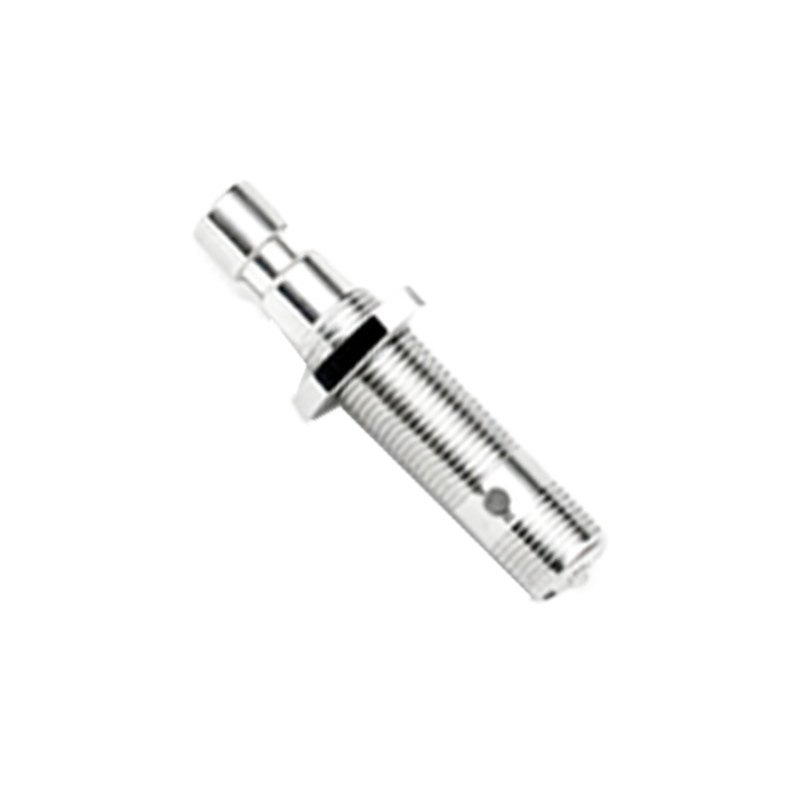
Several core factors dictate the final price tag of a proximity sensor in Putuo's market. Firstly, the sensing technology is paramount. Inductive sensors, used for detecting metals, are generally the most economical. Capacitive sensors, capable of detecting non-metallic materials, command a higher price. Ultrasonic and laser sensors, used for longer ranges or precise positioning, sit at the premium end. Secondly, specifications such as sensing range, switching frequency, housing material (e.g., stainless steel vs. plastic), and protection ratings (IP67, IP69K) significantly impact cost. A standard 12mm inductive sensor with a 4mm range will be substantially cheaper than a 30mm analog-output sensor with a 15mm range and high-temperature resistance. Thirdly, brand equity plays a crucial role. Well-established international brands often carry a 20-40% price premium over comparable domestic models, justified by perceived quality, global warranty, and extensive application support.
Price Range Analysis by Sensor Type
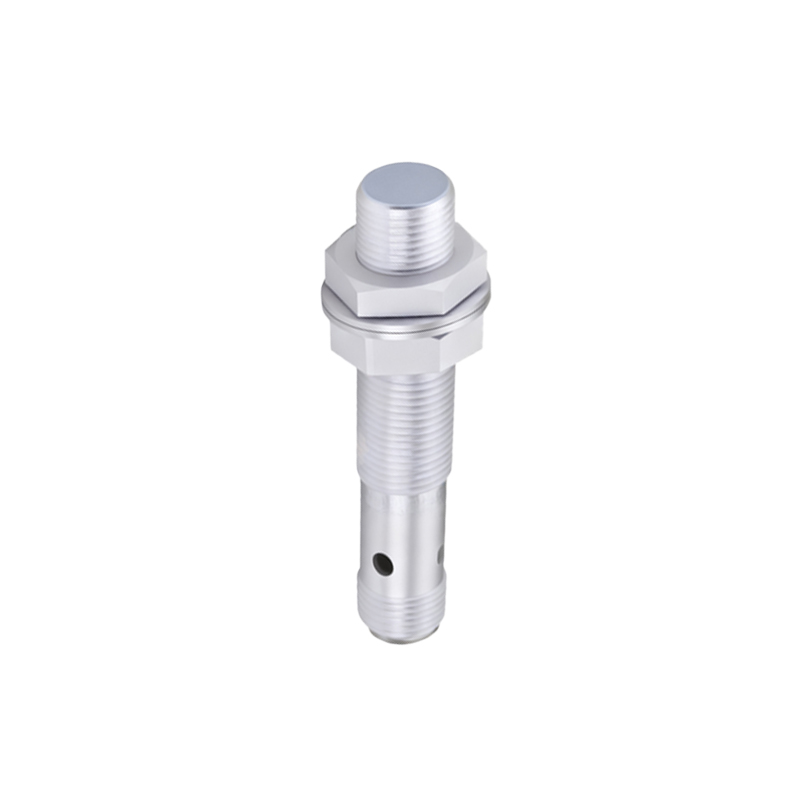
A practical breakdown of price ranges, based on recent market surveys in Putuo District, provides clearer guidance. Basic, barrel-style inductive sensors (M12, M18) from domestic suppliers can start as low as $5 to $15 per unit for standard models in bulk orders. Mid-range inductive sensors from reputable domestic brands or entry-level international models typically range from $20 to $50. For capacitive sensors, prices usually begin around $30 and can extend to $80 or more for specialized versions. Ultrasonic sensors represent a significant jump, with common models priced between $80 and $200, depending on range and output options. It is critical to note that these are list price estimates; final negotiated prices, especially for OEM volumes or long-term contracts, can be 15-30% lower. Sourcing from local distributors in Putuo's industrial parks often yields better deals than direct import.
The Impact of Supply Chain and Order Volume
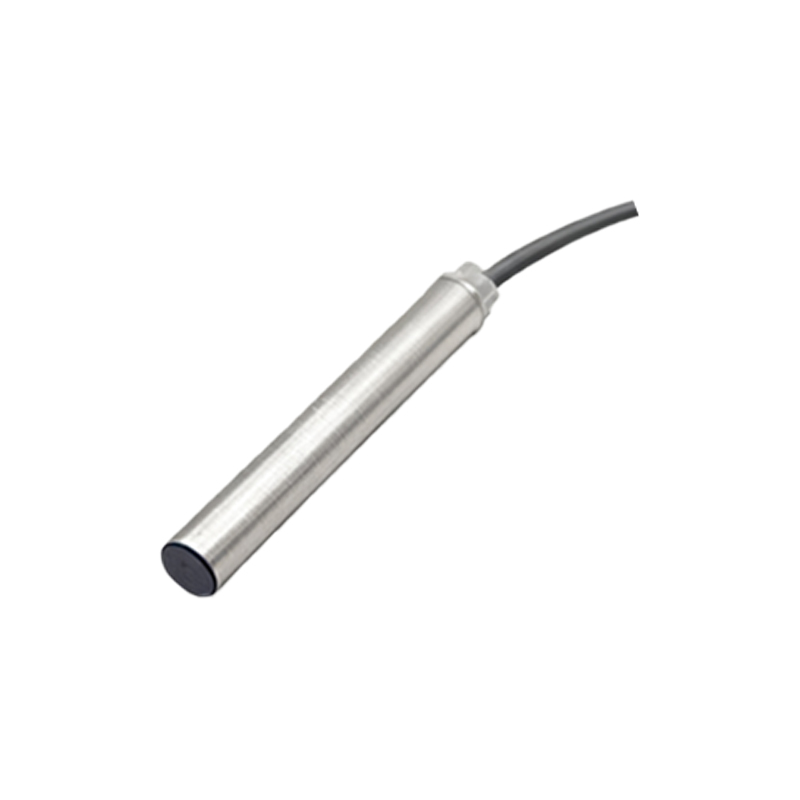
The global semiconductor shortage and logistics disruptions of recent years have left a lasting impact on sensor pricing and availability in Putuo District. While the situation has stabilized, lead times for certain high-end or brand-specific sensors can still influence spot market prices, sometimes causing temporary premiums. Conversely, order volume remains the most powerful lever for cost reduction. Suppliers in Putuo are generally receptive to volume discounts. Placing an order for 100 units might reduce the per-unit cost by 10%, while a commitment for 1,000 units or more could unlock discounts of 25% or higher. Establishing a framework agreement with a trusted distributor is a common strategy for medium-to-large enterprises to secure stable pricing and guaranteed supply, mitigating market volatility.
Procurement Strategies for Cost Optimization
To navigate this market effectively, engineers and purchasers should adopt a strategic approach. The first step is a precise technical requirement analysis. Over-specifying a sensor (e.g., requesting a 20mm range when 5mm suffices) unnecessarily inflates cost. Secondly, consider a dual-source or qualified alternative parts list. Identifying and approving a domestic brand equivalent for non-critical applications can lead to substantial savings without compromising performance. Thirdly, engage with local technical sales representatives. Distributors in Putuo District often have deep market knowledge and can offer insights into upcoming promotions, stock clearances, or bundle deals with other automation components. Finally, evaluate total cost of ownership, not just the unit price. A slightly more expensive sensor with higher reliability and a longer lifespan can reduce downtime and maintenance costs, offering better long-term value for continuous production environments.
Future Price Trends and Technological Considerations
Looking ahead, the price trajectory for proximity sensors in Putuo District is expected to follow two parallel paths. For standard, commoditized sensor types, competitive pressure from domestic manufacturers and improved production efficiencies may lead to gradual price erosion. However, for