Introduction to Baomeng Photoelectric Sensors
Baomeng photoelectric sensors represent a cornerstone of modern industrial automation, offering high-precision detection capabilities across diverse applications. These sensors operate on the principle of converting light signals into electrical outputs, enabling non-contact object detection, positioning, and counting. Engineered for robustness, Baomeng sensors are designed to withstand harsh industrial environments, including extreme temperatures, dust, and moisture. Their versatility allows integration into manufacturing lines, packaging systems, and safety mechanisms, ensuring operational efficiency and reliability. By leveraging advanced optical technology, these sensors provide accurate and consistent performance, minimizing downtime and enhancing productivity in automated processes.
Core Technologies and Working Principles
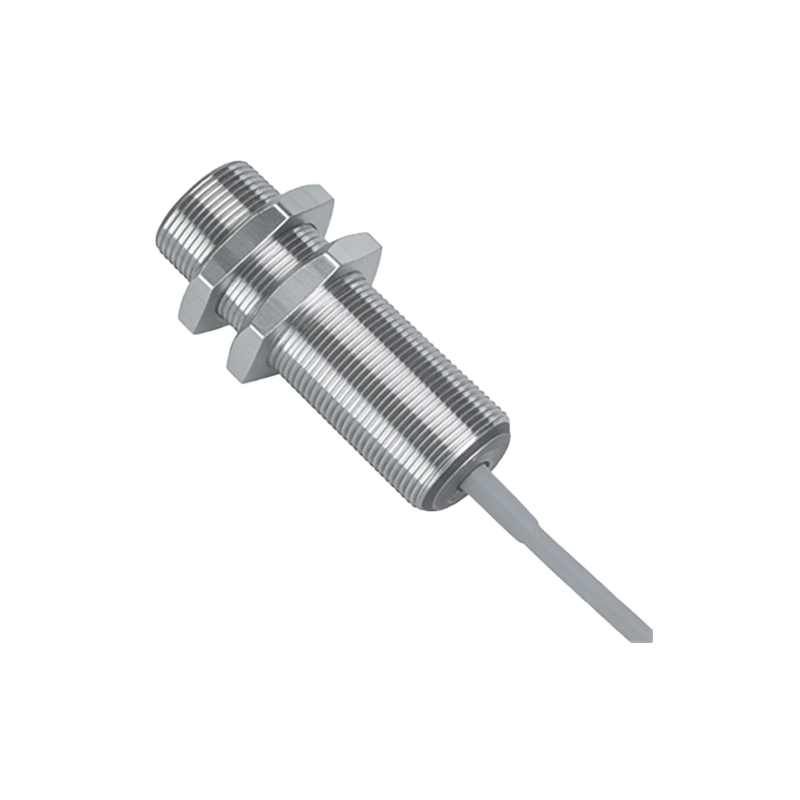
The functionality of Baomeng photoelectric sensors is rooted in sophisticated optical and electronic components. Typically, they consist of an emitter, which projects a light beam (often infrared, visible, or laser light), and a receiver that detects changes in the light pattern. There are three primary types: through-beam, retro-reflective, and diffuse reflective sensors. Through-beam sensors use separate emitter and receiver units, offering long-range detection with high accuracy. Retro-reflective sensors employ a reflector to bounce light back to the receiver, suitable for medium-distance applications. Diffuse reflective sensors detect objects by measuring light scattered from the target, ideal for close-range tasks. Baomeng integrates noise reduction circuits and signal processing algorithms to filter interference, ensuring stable readings even in challenging conditions like fluctuating ambient light.
Key Features and Performance Specifications
Baomeng photoelectric sensors are distinguished by their exceptional features, including high response speeds, adjustable sensing ranges, and durable enclosures. Many models offer response times as fast as milliseconds, enabling real-time detection in high-speed production lines. The sensing distance can vary from a few centimeters to several meters, with options for fine-tuning via potentiometers or digital interfaces. Constructed from materials like stainless steel or industrial-grade plastics, these sensors are IP67 or higher rated, providing resistance to water, oil, and mechanical shocks. Additionally, they support various output types, such as NPN, PNP, analog, and IO-Link, facilitating seamless connectivity with PLCs and control systems. Energy-efficient designs further reduce operational costs, aligning with sustainable industrial practices.
Applications in Industrial Automation
In industrial settings, Baomeng photoelectric sensors play a critical role in enhancing automation and safety. Common applications include object detection on conveyor belts, where they trigger sorting or counting mechanisms. In packaging machinery, sensors ensure precise filling levels and label positioning. They are also used in robotic guidance systems to avoid collisions and optimize path planning. Safety-wise, these sensors form part of light curtains and emergency stop systems, protecting workers from machinery hazards. Beyond manufacturing, they find use in automotive assembly, pharmaceutical production, and logistics, demonstrating adaptability across sectors. Case studies show that integrating Baomeng sensors can reduce error rates by up to 30%, boosting overall system reliability.
Advantages Over Competing Sensor Technologies
Compared to other sensor types like inductive or capacitive sensors, Baomeng photoelectric sensors offer distinct benefits. Their non-contact nature eliminates wear and tear, extending lifespan and reducing maintenance needs. They can detect a wide range of materials, including glass, plastic, and metal, unlike inductive sensors limited to metals. The ability to sense transparent or colored objects makes them superior in applications requiring material discrimination. Moreover, their fast response and high accuracy outperform mechanical switches, which may suffer from lag or physical degradation. Baomeng's focus on customization allows for tailored solutions, such as specialized lenses for beam shaping, giving users a competitive edge in precision-driven industries.
Installation and Maintenance Best Practices
Proper installation is crucial for optimal performance of Baomeng photoelectric sensors. It is recommended to mount sensors securely, aligning emitter and receiver units precisely to avoid misalignment issues. Environmental factors like ambient light sources or reflective surfaces should be considered to prevent false triggers. Regular maintenance involves cleaning lenses with soft cloths to prevent dust buildup and checking wiring for corrosion or damage. Most Baomeng sensors feature diagnostic LEDs for easy troubleshooting, indicating power status or detection alerts. Following manufacturer guidelines on operating temperatures and voltage ranges ensures longevity, with many models offering lifespans exceeding 100,000 hours. Training personnel on basic calibration can further enhance system uptime.
Future Trends and Innovations
The future of Baomeng photoelectric sensors is shaped by emerging trends in Industry 4.0 and smart manufacturing. Innovations include the integration of IoT capabilities, enabling remote monitoring and predictive maintenance via cloud connectivity. Advances in miniaturization are leading to compact sensors for space-constrained applications, without compromising on range or accuracy. Enhanced algorithms using AI and machine learning allow for adaptive sensing, where sensors can learn and adjust to environmental changes autonomously. Additionally, developments in energy-harvesting technologies may lead to wireless sensors, reducing installation complexity. Baomeng continues to invest in R&D, aiming to set new benchmarks for precision and sustainability in the global sensor market.
Conclusion and Industry Impact
Baomeng photoelectric sensors have established themselves as vital components in industrial automation, driven by their reliability, precision, and adaptability. By enabling efficient non-contact detection, they contribute to safer and more productive operations across various sectors. As industries evolve towards greater automation and digitalization, the demand for advanced sensors like those from Baomeng is expected to grow. Their commitment to innovation ensures that they remain at the forefront of technology, helping businesses achieve higher standards of quality and efficiency. Ultimately, Baomeng sensors exemplify how cutting-edge engineering can transform industrial processes, paving the way for smarter and more resilient manufacturing ecosystems.