Introduction to Photoelectric Sensor Adapters
A photoelectric sensor adapter is a critical interface device in industrial automation systems, designed to bridge the gap between photoelectric sensors and various control units, such as PLCs (Programmable Logic Controllers), relays, or data acquisition systems. These adapters ensure compatibility, signal conversion, and reliable communication, enabling seamless integration of sensor data into broader control networks. By converting the sensor's output signal—whether it is NPN, PNP, analog, or a digital pulse—into a format that the receiving device can interpret, adapters enhance system flexibility and reduce installation complexity. Their role is indispensable in modern manufacturing, logistics, and process control, where precise detection and rapid response are paramount.
Core Working Principles
The fundamental operation of a photoelectric sensor adapter revolves around signal conditioning and electrical interfacing. Photoelectric sensors typically generate output signals based on the detection of light beams, which are interrupted or reflected by target objects. These raw signals often require modification to match the input specifications of the control equipment. For instance, an adapter may convert a sensor's open-collector NPN output to a PNP signal, or amplify a weak analog voltage to a robust 4-20 mA current loop. Internally, the adapter incorporates circuitry such as optocouplers for electrical isolation, transistors for switching, and operational amplifiers for signal scaling. This processing ensures noise immunity, protects sensitive components from voltage spikes, and maintains signal integrity over long cable runs, thereby upholding detection accuracy in harsh industrial environments.
Types and Configurations
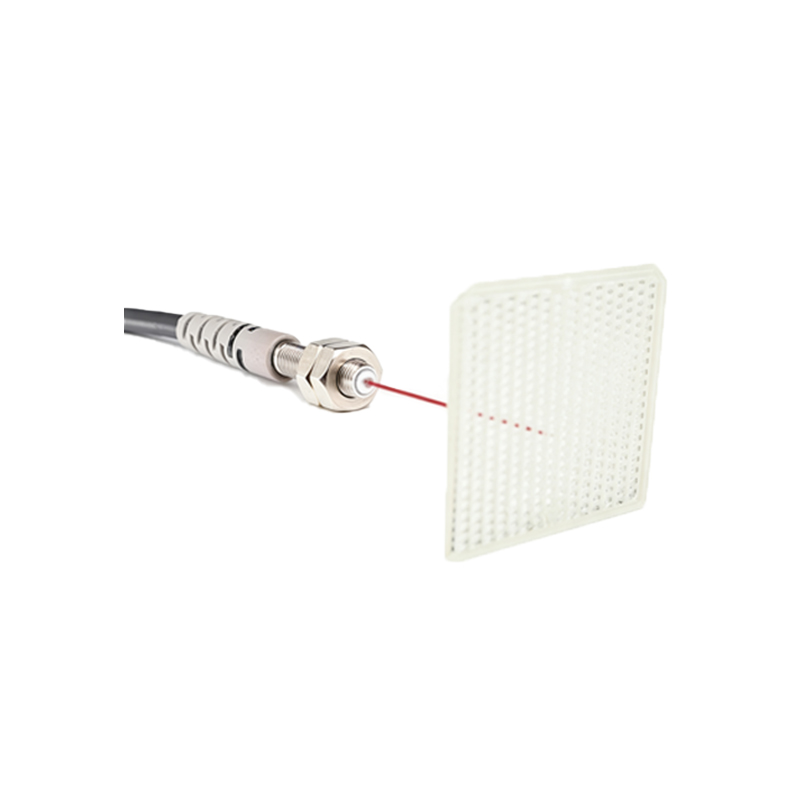
Photoelectric sensor adapters are available in diverse types to address specific application needs. Common variants include relay output adapters, which use electromechanical relays to switch high-power loads independently of the sensor's low-power signal; transistor-based adapters for fast switching speeds in high-frequency counting or positioning tasks; and analog-to-digital converters for translating continuous sensor readings into discrete values. Additionally, modular adapters with configurable I/O (Input/Output) ports allow users to set parameters like delay timers, pulse stretching, or logic inversion via DIP switches or software. Some advanced models feature communication protocols like IO-Link, enabling bidirectional data exchange for diagnostics and parameterization. Selecting the appropriate adapter depends on factors such as sensor output type, load requirements, response time, and environmental conditions like temperature and EMI (Electromagnetic Interference).
Electrical Interface and Wiring Considerations
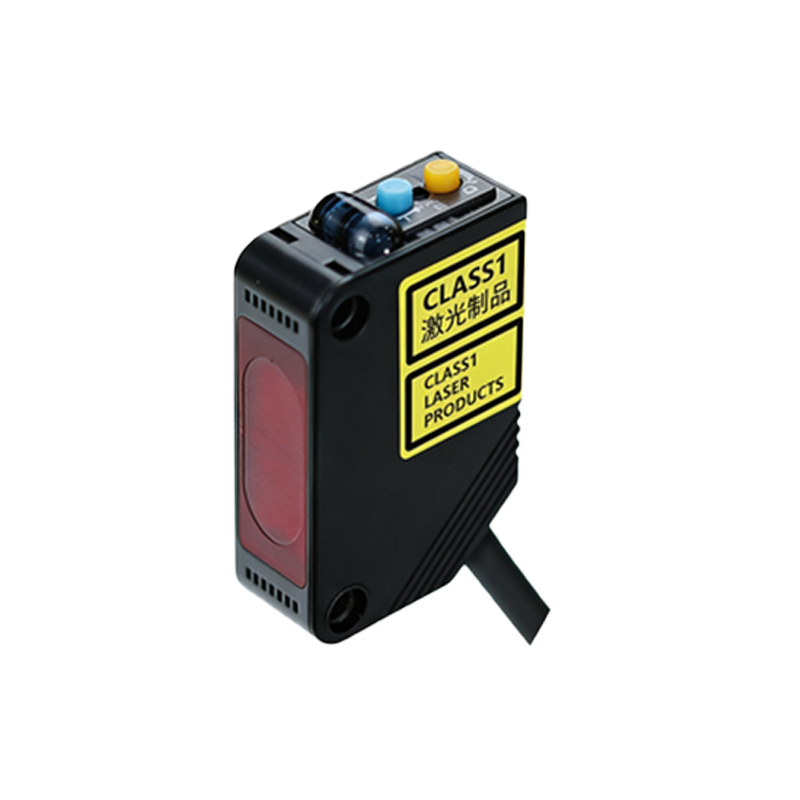
Proper electrical interfacing is crucial for the reliable performance of photoelectric sensor adapters. Wiring diagrams typically detail connections for power supply, sensor input, and adapter output. Most adapters operate on standard industrial DC voltages (e.g., 12-24 VDC) and include protective features like reverse polarity protection and short-circuit resilience. When connecting sensors, it is essential to match the adapter's input circuit to the sensor's output configuration—for example, sourcing (PNP) versus sinking (NPN) logic. Grounding and shielding practices must be observed to minimize electrical noise, especially in facilities with heavy machinery. Additionally, cable selection should account for length, gauge, and insulation to prevent voltage drop and interference. Adapters often incorporate LED indicators for status monitoring, providing visual feedback on power, signal reception, and fault conditions, which aids in troubleshooting and maintenance.
Applications in Industrial Automation
In industrial settings, photoelectric sensor adapters facilitate a wide range of automation functions. They are integral to object detection on conveyor belts, where adapters convert sensor signals to trigger sorting mechanisms or count items. In packaging machinery, adapters interface with fill-level sensors to control dispensing valves, ensuring precise volumetric or weight-based filling. Robotic assembly lines utilize adapters to synchronize sensor data with robotic controllers, enabling pick-and-place operations with high repeatability. Furthermore, in safety systems, adapters link light curtains or safety sensors to emergency stop circuits, enhancing personnel protection. The adaptability of these devices allows for scalable solutions, from simple standalone installations to complex networked systems in Industry 4.0 frameworks, where real-time data from sensors drives predictive maintenance and process optimization.
Installation and Maintenance Best Practices
To maximize the lifespan and reliability of photoelectric sensor adapters, adherence to installation and maintenance guidelines is imperative. During installation, ensure the adapter is mounted in a location free from excessive vibration, moisture, and dust, following the manufacturer's specified environmental ratings. Electrical connections should be secure and compliant with local codes, using appropriate terminals or connectors. Regular maintenance involves inspecting for physical damage, cleaning optical components if integrated, and verifying signal integrity with multimeters or oscilloscopes. Calibration may be necessary for analog adapters to maintain measurement accuracy over time. Additionally, keeping firmware updated for smart adapters can introduce performance enhancements and compatibility improvements. Documenting wiring layouts and adapter settings streamlines future modifications or repairs, reducing downtime in production cycles.
Future Trends and Technological Advancements
The evolution of photoelectric sensor adapters is closely tied to advancements in industrial IoT (Internet of Things) and miniaturization. Future adapters are expected to feature enhanced connectivity options, such as integrated wireless modules (e.g., Wi-Fi, Bluetooth) for cable-free installations in mobile or hard-to-reach areas. AI-driven adapters with embedded processing capabilities could perform local data analysis, filtering out false triggers or adapting sensitivity dynamically based on environmental changes. Moreover, the adoption of standardized communication protocols like OPC UA will facilitate seamless integration with cloud platforms for big data analytics. Energy-efficient designs with lower power consumption will align with sustainability goals. As industries embrace smarter automation, photoelectric sensor adapters will continue to evolve, offering greater intelligence, flexibility, and reliability in sensing applications.