Introduction to Core Components in Industrial Automation
In the intricate landscape of industrial automation and process control, the reliable and precise management of fluids is paramount. Two components that frequently play critical, yet distinct, roles in these systems are peristaltic pumps and proximity sensors. While one is a workhorse for fluid transfer, the other is a sentinel for positional awareness. Their combined application creates robust, efficient, and intelligent systems capable of meeting the stringent demands of industries ranging from pharmaceuticals and food & beverage to water treatment and chemical processing. This article delves into the operational principles of each and explores their synergistic integration.
Operational Principles of Peristaltic Pumps
A peristaltic pump, often referred to as a hose or tube pump, operates on a simple yet highly effective principle of peristalsis—similar to the muscular contractions that move material through the human digestive tract. The pump consists of a flexible tube or hose fitted inside a circular pump casing. A rotor with several rollers, shoes, or wipers attached to external circumferences compresses the tube against the casing. As the rotor turns, the compression point moves along the tube, propelling the fluid contained within. The tube's recovery after compression creates a powerful vacuum that draws more fluid into the line, ensuring a consistent, pulse-free flow. The fluid only contacts the inner lumen of the tube, making this pump design ideal for handling sterile, aggressive, or high-purity fluids without risk of contamination.

Key Advantages and Applications of Peristaltic Pumps
The design of peristaltic pumps confers several significant advantages. They offer excellent sealing integrity, as there are no seals, valves, or diaphragms that could leak or require maintenance. The fluid path is isolated, preventing cross-contamination and simplifying cleaning and sterilization procedures—a critical factor in CIP (Clean-in-Place) and SIP (Sterilize-in-Place) systems. Furthermore, they can handle slurries, viscous fluids, and fluids with suspended solids without damage to the pump mechanism. These attributes make them indispensable in bioprocessing for cell culture media transfer, in food production for dosing additives, and in analytical instrumentation for precise reagent delivery.
Fundamentals of Proximity Sensors
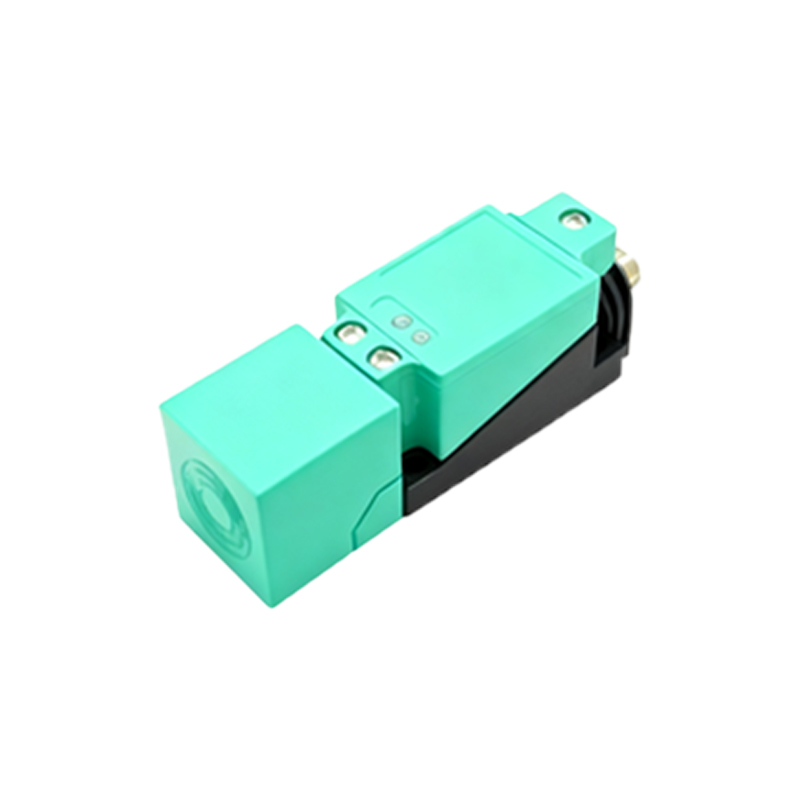
Proximity sensors are non-contact electronic devices designed to detect the presence or absence of an object within a defined sensing range without physical contact. They achieve this by emitting an electromagnetic field or a beam of electromagnetic radiation (infrared, for instance) and looking for changes in the field or return signal. The most common types include inductive sensors (for detecting metallic objects), capacitive sensors (for detecting both metallic and non-metallic materials like liquids or plastics), and photoelectric sensors. Their output is typically a simple switching signal, making them ideal for integration into programmable logic controller (PLC) systems for automation control.
The Role of Sensors in Pump System Monitoring and Control
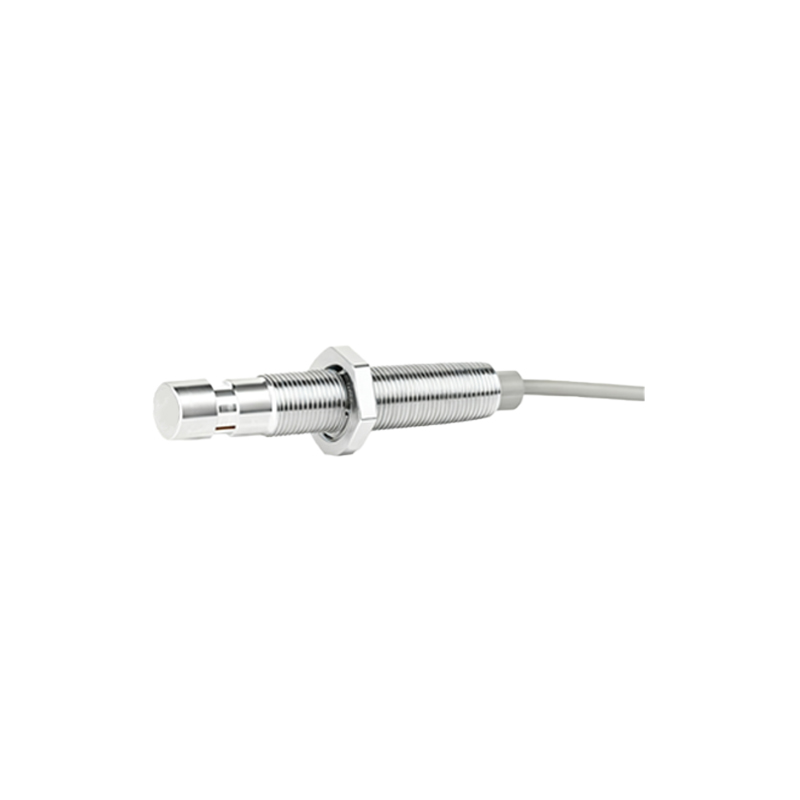
In a fluid handling system centered around a peristaltic pump, proximity sensors serve as the critical eyes for automation. They can be deployed in numerous ways. For instance, an inductive proximity sensor can be used to monitor the rotation of the pump's rotor, providing real-time feedback on motor speed and confirming operational status. This can be crucial for flow verification and for triggering alarms in case of a stalled motor or a broken drive belt. Capacitive sensors can be mounted on external tubing or reservoirs to detect the presence or absence of fluid, preventing dry running which could damage the pump tubing or lead to process failure.
Integrated System Design: Enhancing Reliability and Intelligence
The true power of these components is realized in an integrated system design. Consider a dosing skid for a water treatment plant. A peristaltic pump accurately meters a chemical flocculant. A capacitive proximity sensor monitors the level in the chemical supply tank. When the level falls below a threshold, the sensor sends a signal to the PLC, which can then trigger an alert for operator intervention or automatically switch to a backup supply line, ensuring uninterrupted dosing. Simultaneously, an inductive sensor on the pump head confirms each revolution. The PLC can correlate this revolution count with the known displacement per revolution to calculate total delivered volume, enabling precise batch control and data logging for regulatory compliance.
Maintenance and Troubleshooting Considerations
While both components are known for reliability, proactive maintenance is key. For peristaltic pumps, the primary wear item is the tubing. Monitoring pump runtime and scheduling preventive tube replacement based on manufacturer guidelines prevents unexpected failure. Proximity sensors are generally maintenance-free but require periodic verification of their sensing range and output signal, especially in environments with temperature fluctuations or heavy vibration. Ensuring sensors are correctly