Introduction to Photoelectric Sensor Components
Photoelectric sensors are essential devices in modern automation and control systems, converting light signals into electrical outputs. These components rely on various technologies, including through-beam, retro-reflective, and diffuse reflective sensing methods. A well-organized component library is crucial for engineers designing, specifying, or maintaining sensor-based applications. Such libraries typically encompass emitters (like LEDs or laser diodes), receivers (such as phototransistors or photodiodes), housing materials, lenses, and integrated circuitry. By centralizing technical data, performance curves, and compatibility information, a comprehensive library accelerates development cycles and ensures system reliability across diverse industrial environments.
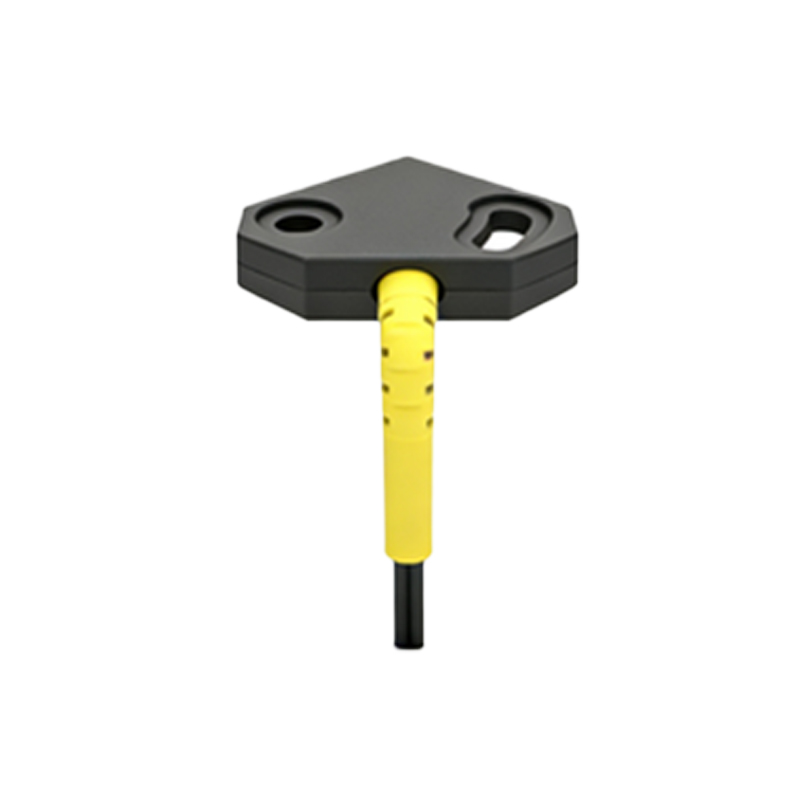
Core Elements of a Sensor Library
An effective photoelectric sensor component library must include detailed datasheets for each part, covering spectral response, sensing range, response time, and environmental ratings. Key items often listed are infrared (IR) emitters operating at 880-950 nm for reduced ambient light interference, silicon photodiodes with high sensitivity, and modulated light sources to enhance noise immunity. Additionally, mechanical drawings, footprint diagrams, and 3D models aid in physical integration. Libraries should also document interface options—from analog outputs (0-10V) to digital protocols (like IO-Link or PWM)—enabling seamless integration with PLCs and microcontrollers. Regular updates reflecting new materials or miniaturized designs keep the library relevant.
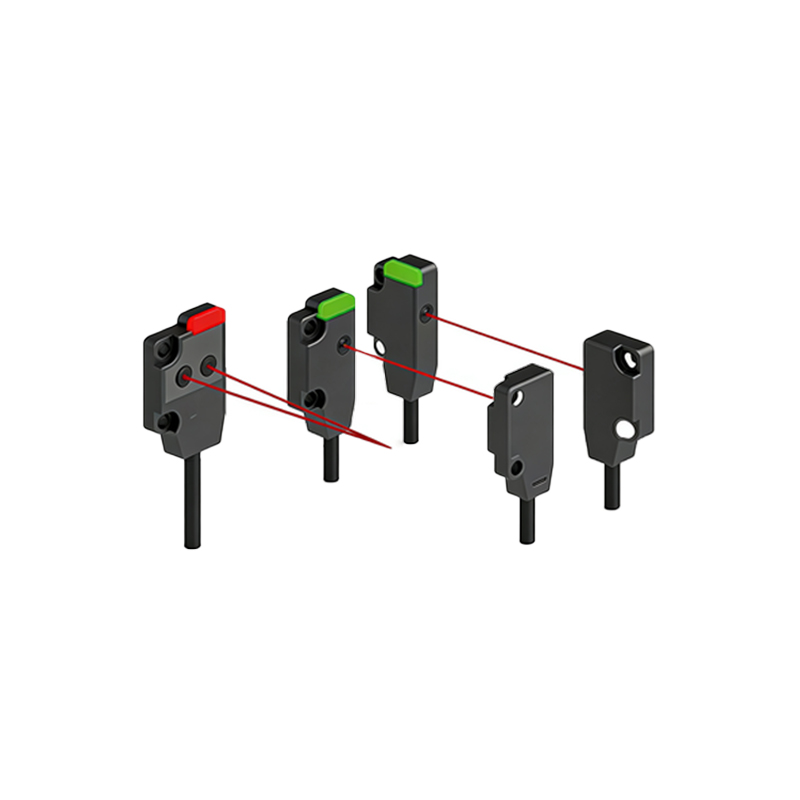
Design Considerations for System Integration
When selecting components from a library, engineers must evaluate factors such as target material, surface finish, and environmental conditions. For instance, a glossy surface may require a polarized lens to prevent false triggers, while dusty settings might necessitate sensors with higher IP ratings. The library should provide application notes comparing diffuse sensors for close-range detection versus through-beam types for long distances. Power requirements, voltage compatibility (e.g., 12-24V DC), and temperature tolerances (-25°C to 70°C) are critical to prevent failures. By cross-referencing these parameters, designers can optimize sensor placement and alignment, reducing installation errors.
Advantages of a Standardized Component Library
Standardization within a photoelectric sensor library promotes consistency across projects, lowering training costs and minimizing procurement delays. It allows for bulk purchasing of verified components, cutting expenses and ensuring supply chain stability. Engineers benefit from pre-validated performance metrics, reducing prototyping time. Moreover, a unified library simplifies maintenance by providing replacement part numbers and troubleshooting guides. In industries like packaging, automotive, or pharmaceuticals, where sensor accuracy directly impacts safety and efficiency, a reliable library becomes an indispensable tool for quality assurance and regulatory compliance.
Future Trends and Technological Evolution
Emerging trends are reshaping photoelectric sensor libraries. Smart sensors with embedded diagnostics and IoT connectivity are becoming commonplace, requiring libraries to include communication protocols and software APIs. Miniaturization drives demand for SMT (surface-mount technology) components, while advancements in materials science introduce robust polymers for harsh chemical exposure. Energy-efficient designs, such as low-power LEDs and solar-powered sensors, are also gaining traction. Future libraries may incorporate AI-driven selection tools, suggesting optimal components based on application-specific inputs. Staying updated with these innovations ensures libraries remain a forward-looking resource for next-generation automation systems.