Introduction to TL-Q5M Proximity Sensor
The TL-Q5M is a high-performance inductive proximity sensor widely utilized in industrial automation for detecting metallic objects without physical contact. Known for its robust construction and reliable operation, this sensor is essential in machinery, conveyor systems, and safety applications. It operates on the principle of electromagnetic induction, generating an output signal when a metal target enters its sensing range. Understanding its wiring configuration is crucial for ensuring optimal performance and system integration. This guide provides a detailed overview of the TL-Q5M's wiring, tailored for engineers and technicians in the electrical and automation fields.
Key Specifications and Pin Configuration
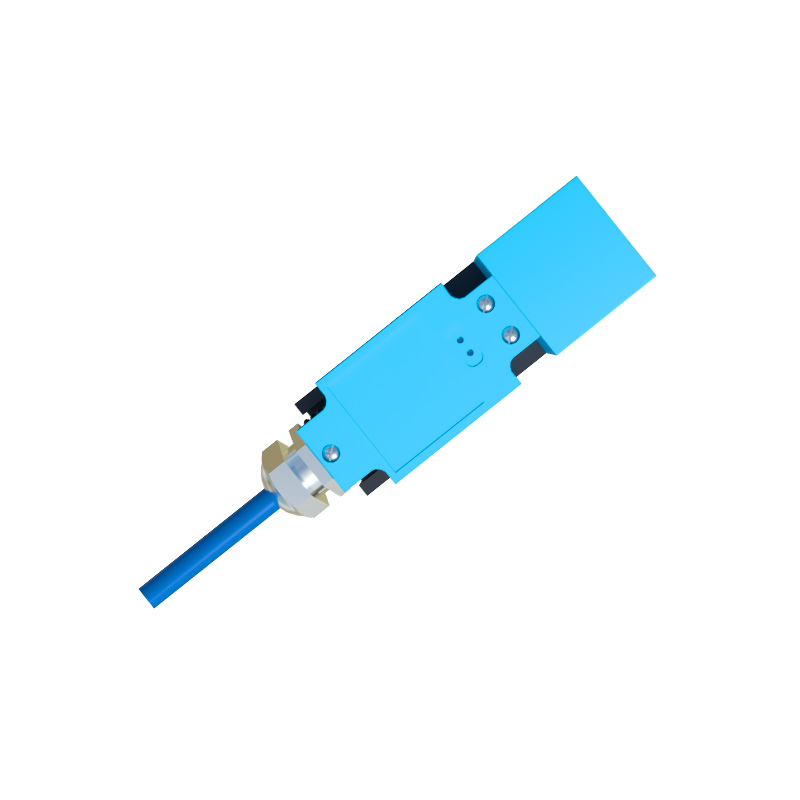
Before proceeding with wiring, familiarize yourself with the TL-Q5M's specifications. Typically, it operates on a DC voltage range of 10-30V DC, with a sensing distance of up to 5mm, depending on the model. The sensor features a standard three-wire configuration: brown wire for positive power supply (V+), blue wire for negative or ground (V-), and black wire for the output signal. Some variants may include additional wires for diagnostic functions, but the core setup remains consistent. Always refer to the manufacturer's datasheet for exact details, as variations can occur based on specific part numbers or regional standards.
Step-by-Step Wiring Procedure
Begin by ensuring power is disconnected to prevent electrical hazards. Connect the brown wire to the positive terminal of your DC power supply, which should be within the 10-30V range. Attach the blue wire to the negative terminal or common ground of the supply. The black output wire should be linked to the load, such as a PLC input module, relay, or indicator light. If the sensor is NPN-type, the output will sink current to ground when activated; for PNP-types, it sources current from the positive supply. Verify all connections are secure and insulated to avoid short circuits. After wiring, apply power and test the sensor with a metal target to confirm proper operation.
Common Wiring Diagrams and Examples
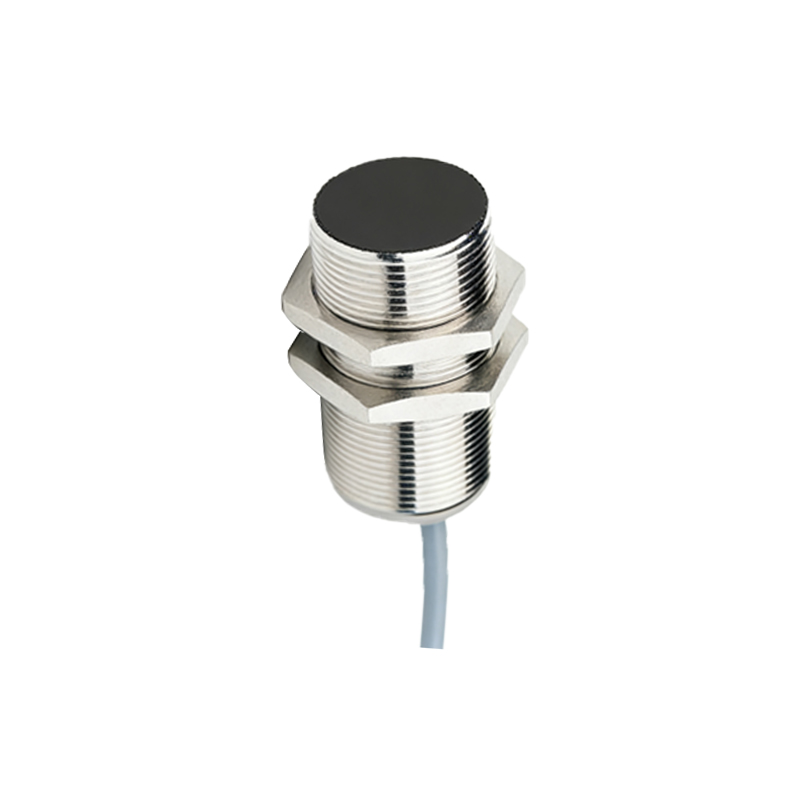
For clarity, consider a typical NPN wiring diagram: DC power supply positive to brown, negative to blue, and black to the PLC input, with the PLC's common connected to positive. In a PNP setup, the black wire connects to the PLC input, and the PLC common ties to negative. Diagrams often include protective elements like fuses or surge suppressors to enhance durability. In complex systems, multiple sensors may be wired in parallel or series, but ensure the total load does not exceed the power supply's capacity. Always document your wiring layout for future maintenance and troubleshooting reference.
Troubleshooting and Best Practices
If the TL-Q5M fails to detect targets, check for loose connections, incorrect voltage, or miswired outputs. Use a multimeter to measure voltage at the sensor terminals; it should match the supply when active. Ensure the target material is ferrous metal, as non-metallic objects won't trigger induction. Avoid installing the sensor near strong electromagnetic fields or excessive vibration, which can cause interference. Regularly inspect wiring for wear and corrosion, especially in harsh environments. Adhering to best practices, such as using shielded cables for long runs and implementing proper grounding, can significantly extend sensor lifespan and reliability.
Applications and Integration Tips
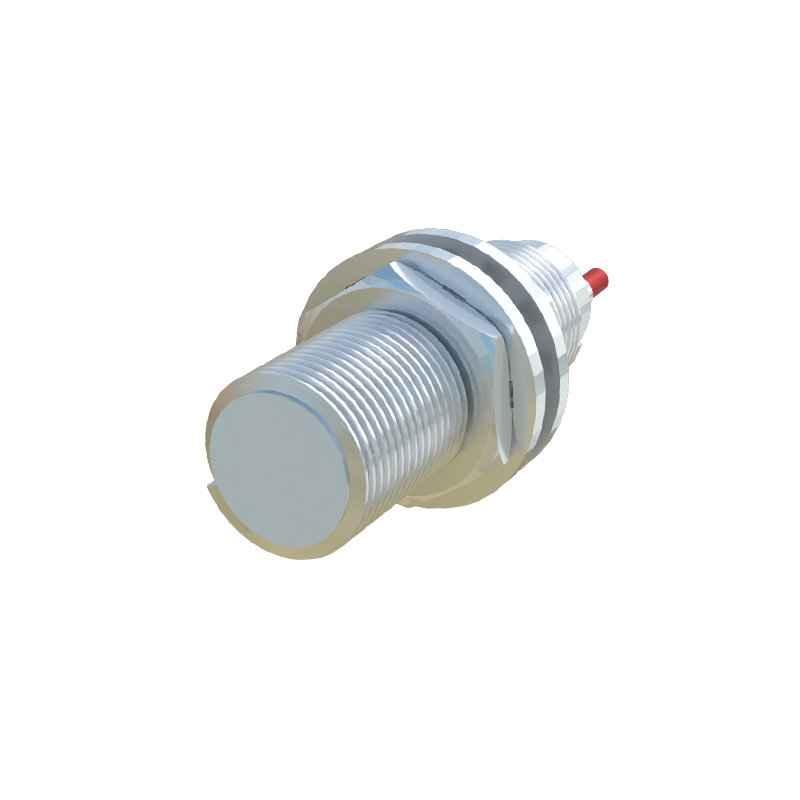
The TL-Q5M is versatile, suitable for position sensing in assembly lines, object counting in packaging, and safety interlocks in machinery. When integrating into a control system, consider factors like response time and environmental conditions. For instance, in high-speed applications, ensure the sensor's switching frequency meets requirements. Pair it with compatible controllers and follow industry standards like IEC 60947 for electrical safety. Label all wires clearly and maintain a clean wiring enclosure to simplify future modifications. By mastering TL-Q5M wiring, engineers can enhance automation efficiency and reduce downtime in industrial settings.