Introduction to 1mm Proximity Sensors
Proximity sensors with a 1mm detection range represent a critical component in modern industrial automation, offering high-precision non-contact detection for applications demanding exact positioning and minimal tolerance. These sensors operate on various principles, including inductive, capacitive, and magnetic technologies, tailored to detect specific target materials such as metals, plastics, or liquids. The 1mm sensing distance is particularly valued in compact machinery, robotic arms, and assembly lines where space constraints and accuracy are paramount. Engineers select these sensors based on factors like response time, environmental resistance, and output type to ensure reliable performance in harsh conditions, including exposure to dust, moisture, or temperature fluctuations.
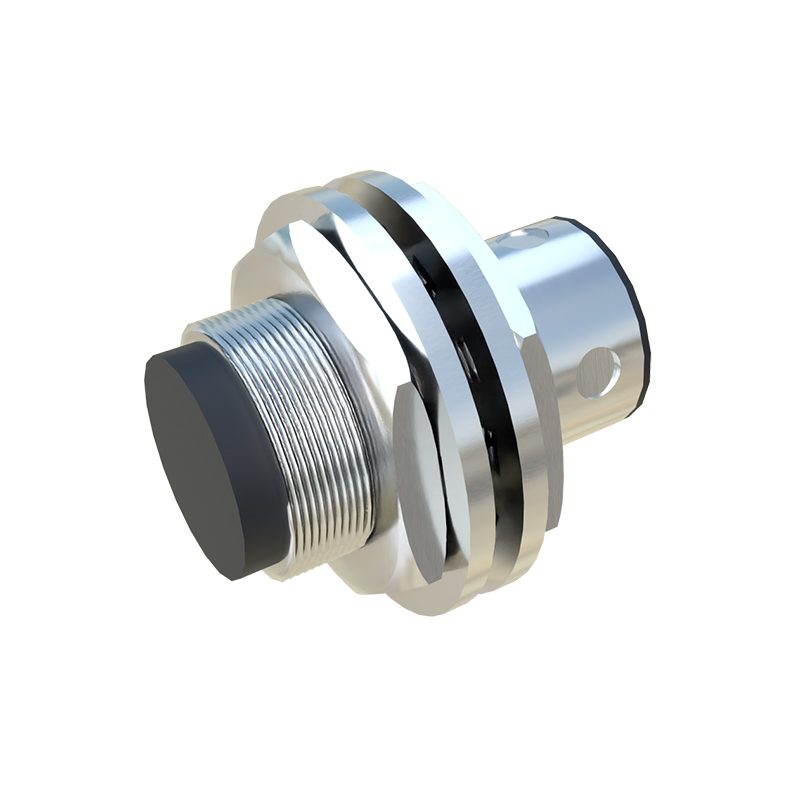
Key Technologies and Operating Principles
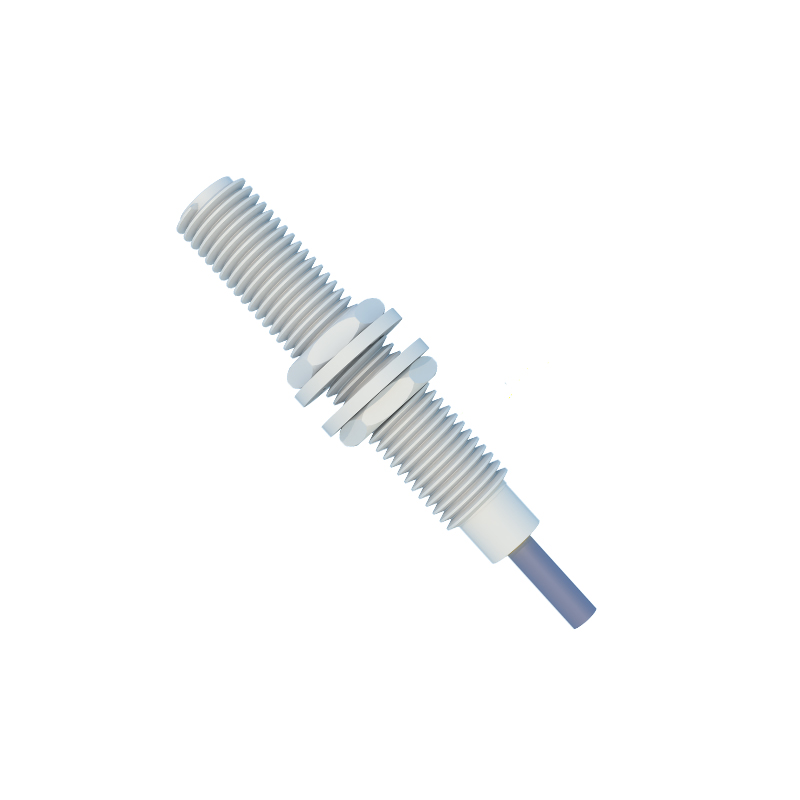
Inductive proximity sensors are commonly used for 1mm detection of metallic objects, utilizing electromagnetic fields to sense ferrous or non-ferrous metals without physical contact. They generate an oscillating field that, when disrupted by a target within the 1mm range, triggers a signal change. Capacitive sensors, on the other hand, detect both conductive and non-conductive materials by measuring changes in capacitance, making them suitable for plastics, glass, or liquids at close distances. Magnetic sensors rely on Hall effect or reed switch mechanisms for detecting magnetic fields, often applied in position sensing for cylinders or valves. Each technology offers distinct advantages: inductive sensors excel in durability and speed, capacitive sensors provide versatility for diverse materials, and magnetic sensors ensure energy efficiency and longevity.
Applications in Industrial Automation

In industrial settings, 1mm proximity sensors are integral to precision tasks such as part presence verification, edge detection, and end-position monitoring. For example, in CNC machining, they ensure tools are correctly aligned within tight tolerances, reducing errors and enhancing product quality. Robotic systems use these sensors for gripper positioning, enabling delicate handling of small components in electronics manufacturing. Additionally, they facilitate safety functions by monitoring door closures or guard positions in automated equipment, preventing accidents. The compact size of 1mm sensors allows integration into confined spaces, such as semiconductor fabrication or medical device assembly, where millimeter-level accuracy is non-negotiable for operational success.
Selection Criteria and Installation Best Practices
Choosing the right 1mm proximity sensor involves evaluating parameters like sensing technology, output configuration (e.g., NPN/PNP, analog/digital), and environmental ratings. Engineers must consider the target material’s properties, required response speed (often in microseconds), and operating voltage to match the sensor with control systems like PLCs. Installation best practices include ensuring proper alignment between the sensor and target, avoiding interference from adjacent metals or electrical noise, and conducting regular calibration to maintain accuracy. Mounting in vibration-prone areas may require shock-resistant housings, while washdown environments necessitate IP67 or higher ingress protection. Adhering to manufacturer guidelines for temperature ranges and maintenance intervals extends sensor lifespan and minimizes downtime.
Advantages and Limitations
The primary advantage of 1mm proximity sensors lies in their ability to provide reliable, wear-free detection with high repeatability, reducing mechanical wear and maintenance costs compared to contact switches. They offer fast response times, enhancing production efficiency in high-speed automation lines. However, limitations include sensitivity to environmental factors like temperature extremes or electromagnetic interference, which can affect performance. The narrow 1mm range may also require precise setup, increasing installation complexity. Engineers mitigate these issues by selecting shielded models, implementing redundancy, or using sensors with built-in diagnostics for real-time monitoring.
Future Trends and Innovations
Emerging trends in 1mm proximity sensors focus on miniaturization, smart features, and enhanced connectivity. Advances in MEMS technology enable smaller sensors with integrated processing capabilities, allowing for self-calibration and adaptive sensing in IoT-enabled systems. Wireless and IO-Link compatible sensors are gaining traction, facilitating data exchange for predictive maintenance and Industry 4.0 applications. Additionally, improvements in material science lead to more robust designs resistant to corrosion or high-pressure conditions. As automation evolves toward greater precision, 1mm sensors will continue to play a vital role, with ongoing research aimed at expanding their applicability in sectors like aerospace and renewable energy.