Introduction to Proximity Switches
Proximity switches, commonly known as proximity sensors, are non-contact devices widely used in industrial automation to detect the presence or absence of objects. They operate based on electromagnetic, capacitive, or inductive principles, generating an output signal when a target enters their sensing range. Traditionally, these switches are employed for tasks like object detection, positioning, and limit switching in machinery. However, their functionality extends beyond simple presence sensing. With proper configuration and integration, proximity switches can effectively serve as speed sensors, providing reliable rotational speed measurements in various mechanical systems. This adaptability makes them a versatile and cost-effective solution for monitoring rotational motion in industrial environments.
Working Principle for Speed Sensing
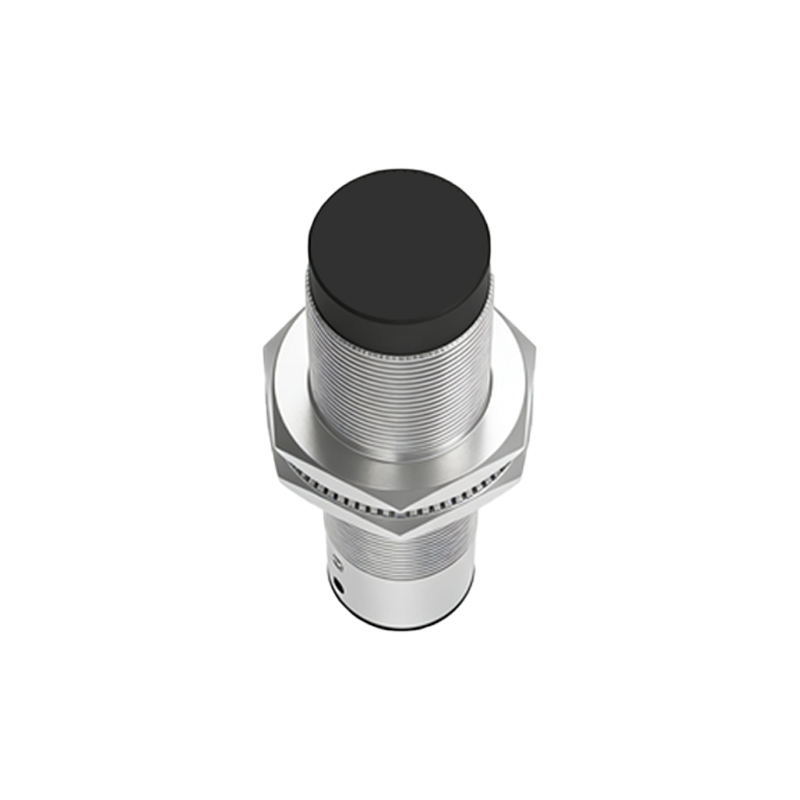
When utilized as a speed sensor, a proximity switch detects the passage of rotating elements, such as gear teeth, keyways, or bolts on a shaft. As each target feature moves past the sensor, it triggers a pulse in the output signal. By counting these pulses over a specific time interval, the rotational speed can be calculated. For instance, if a gear with 60 teeth rotates past an inductive proximity switch, each revolution generates 60 pulses. Using a frequency counter or programmable logic controller (PLC), the pulse frequency is measured, and speed is derived with the formula: Speed (RPM) = (Frequency in Hz × 60) / Number of pulses per revolution. This method ensures accurate and real-time speed monitoring without physical contact, reducing wear and maintenance needs.
Advantages Over Dedicated Speed Sensors
Proximity switches offer several benefits when used as speed sensors in industrial settings. Firstly, they are highly durable and resistant to harsh conditions like dust, moisture, and vibration, making them suitable for rugged applications. Secondly, their non-contact nature eliminates mechanical wear, leading to longer service life and reduced downtime. Additionally, proximity switches are often more affordable than specialized tachometers or encoders, providing a budget-friendly alternative for speed measurement. They also integrate seamlessly with existing control systems, such as PLCs and SCADA, allowing for easy implementation in automation networks. This flexibility enables engineers to repurpose standard components, optimizing resource utilization in plant operations.
Key Considerations for Implementation
To ensure reliable performance, several factors must be addressed when using proximity switches for speed sensing. The sensor type—inductive, capacitive, or magnetic—should be selected based on the target material and environmental conditions. For metallic objects, inductive sensors are preferred due to their high precision. The mounting position and sensing distance must be calibrated to avoid false triggers or missed pulses, typically requiring a gap of 1-2 mm between the sensor and target. Signal conditioning is also crucial; output pulses may need amplification or filtering to interface with measurement devices. Furthermore, the number of pulses per revolution should be sufficient to achieve desired resolution, with higher counts improving accuracy at low speeds. Regular maintenance, including cleaning and alignment checks, helps sustain long-term reliability.
Common Applications in Industry
Proximity switches as speed sensors find extensive use across various industrial sectors. In manufacturing, they monitor conveyor belt speeds, ensuring consistent production flow and preventing bottlenecks. Within automotive assembly lines, they measure the rotation of engine components or wheels during testing phases. In the energy sector, these sensors track turbine or fan speeds in power plants, aiding in performance optimization and safety compliance. They are also employed in packaging machinery to synchronize operations based on rotational inputs. By providing real-time speed data, proximity switches enable predictive maintenance, alerting operators to deviations that could indicate mechanical issues, thus enhancing overall system efficiency and reducing failure risks.
Limitations and Best Practices
While versatile, proximity switches have limitations as speed sensors. They may not be suitable for extremely high-speed applications, where dedicated encoders offer better resolution. Accuracy can be affected by factors like target shape variations or electromagnetic interference, necessitating shielding and proper installation. To maximize effectiveness, follow best practices: choose sensors with appropriate frequency response for the expected speed range, use shielded cables to minimize noise, and implement software algorithms for error correction in control systems. Combining proximity switches with complementary sensors, such as temperature monitors, can provide a comprehensive view of machinery health. Ultimately, their success depends on careful planning and integration tailored to specific operational needs.
Conclusion and Future Trends
In summary, proximity switches are a practical and efficient choice for speed sensing in many industrial scenarios. Their ability to convert rotational motion into measurable signals supports automation and safety initiatives. As Industry 4.0 advances, these sensors are increasingly integrated into IoT platforms, enabling remote monitoring and data analytics for smarter decision-making. Innovations in sensor technology, such as improved sensitivity and wireless capabilities