What Are Proximity Sensors?
Proximity sensors are a fundamental component in modern industrial automation and control systems. These non-contact electronic devices are designed to detect the presence or absence of an object within a specific sensing range without any physical contact. They operate by emitting an electromagnetic field or a beam of electromagnetic radiation, such as infrared light, and then monitoring for changes in the field or the return signal. The primary function is to sense when a target object enters the sensor's detection zone, triggering an output signal. This output is typically a switch-like signal that can be used to control machinery, count objects, or provide positional feedback. Unlike mechanical limit switches, proximity sensors offer high reliability, long operational life, and fast response times because they have no moving parts that can wear out. They are essential for tasks requiring precision, speed, and durability in harsh industrial environments.
Core Operating Principles
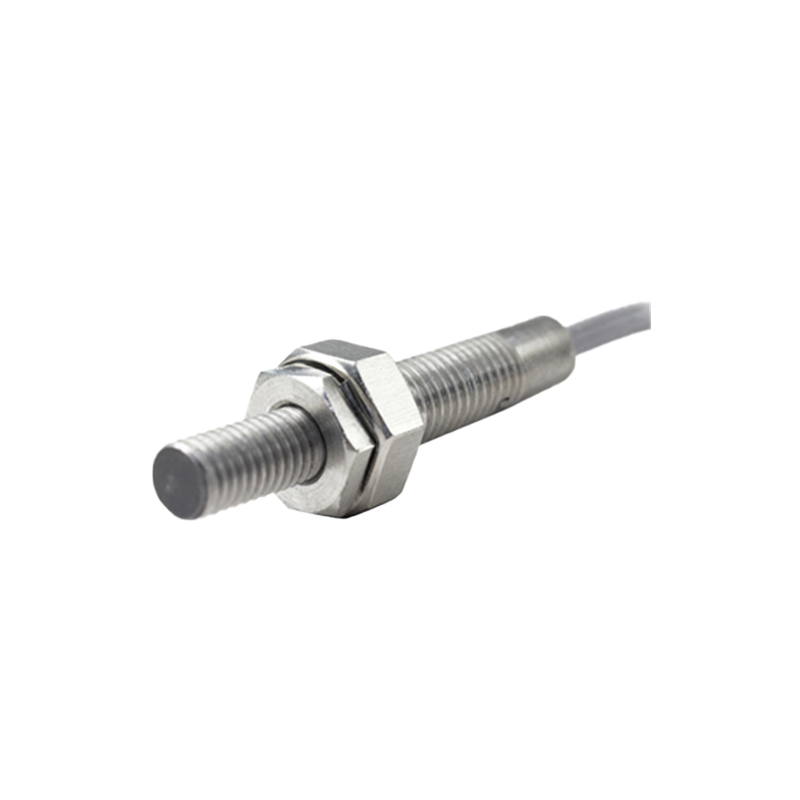
The utility of a proximity sensor is defined by its underlying technology. The most common types are inductive, capacitive, photoelectric, and ultrasonic. Inductive proximity sensors are used exclusively for detecting metallic objects. They generate an oscillating electromagnetic field from a coil. When a metal target enters this field, it induces eddy currents, which dampen the oscillation and trigger the sensor's output circuit. Capacitive sensors can detect both metallic and non-metallic materials, including liquids, powders, and plastics. They work by measuring changes in capacitance between the sensor and the target object. Photoelectric sensors use a light emitter and receiver to detect objects by either the interruption (through-beam) or reflection (retro-reflective, diffuse) of a light beam. Ultrasonic sensors emit high-frequency sound waves and measure the time it takes for an echo to return, calculating distance to an object. Each principle serves distinct application needs, from simple presence detection to precise distance measurement.
Primary Functions in Automation
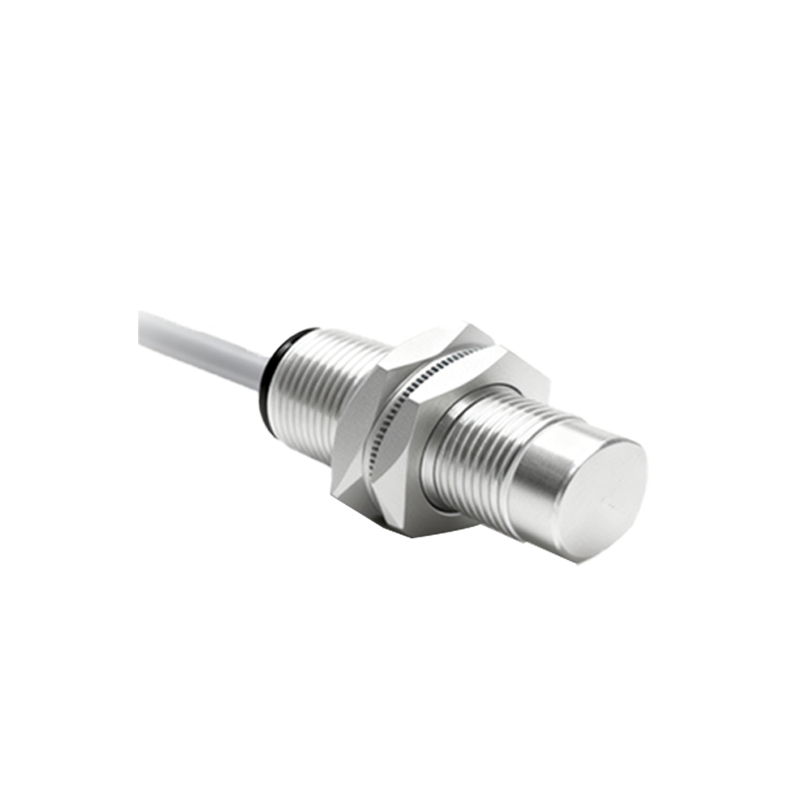
The question "what are proximity sensors used for?" has a multifaceted answer central to industrial efficiency. Their primary function is object detection for positioning and control. On assembly lines, they verify the correct placement of components before a robotic arm performs an operation. They act as limit switches to ensure machine parts like cylinders or slides do not exceed their safe travel range. Another critical function is counting and sorting. Sensors tally products on conveyor belts or sort items based on material type (e.g., metal vs. plastic using inductive vs. capacitive sensors). They provide vital feedback in automated guided vehicles (AGVs) for navigation and obstacle avoidance. In packaging machinery, they ensure proper fill levels by detecting the presence of bottles or the position of labels. Essentially, they are the "eyes" of a machine, providing the binary (on/off) data necessary for programmable logic controllers (PLCs) to make decisions and sequence operations safely and accurately.
Key Advantages Over Mechanical Switches
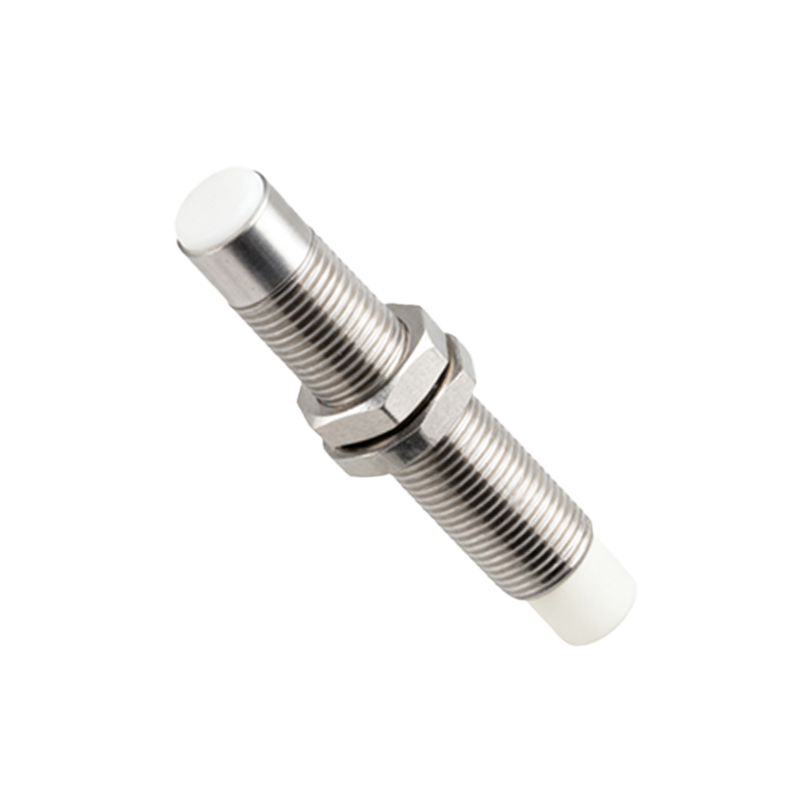
The adoption of proximity sensors over traditional mechanical switches is driven by significant operational advantages. Their non-contact nature eliminates mechanical wear and tear, leading to vastly superior service life and reduced maintenance costs. They offer incredibly fast response times, often in microseconds, which is crucial for high-speed production lines. They are highly reliable and consistent, providing repeatable detection without the bounce or physical lag associated with mechanical contacts. Furthermore, they are well-suited for harsh environments. Many models are sealed to withstand dust, moisture, oils, and coolants, and are immune to vibration. This robustness ensures stable operation in demanding settings like metalworking, food processing, or outdoor applications. Their solid-state design also allows for compact form factors, enabling installation in tight spaces where a mechanical switch would not fit.
Typical Industrial Applications
Proximity sensors are ubiquitous across virtually every manufacturing sector. In the automotive industry, they are used extensively in robotic welding cells to locate car body panels and in assembly lines to detect piston position in engines. Metal fabrication machines use inductive sensors to monitor the position of metal sheets in press brakes or punches. In the food and beverage sector, capacitive sensors check liquid levels in tanks, while stainless-steel-housed inductive sensors count cans on filling lines. Photoelectric sensors are pivotal in material handling for detecting transparent films or small objects on conveyors. On CNC machine tools, sensors provide tool presence detection and workpiece positioning. Even in everyday applications like elevators, they detect the door position to ensure safe operation. Their versatility makes them indispensable for enhancing safety, precision, and throughput in automated processes.
Selection and Installation Considerations
Selecting the right proximity sensor requires careful analysis of the application parameters. Key factors include the sensing distance required, the material composition of the target object (metal, plastic, liquid), the required output type (PNP/NPN, analog, IO-Link), and the environmental conditions (temperature,