In the world of industrial automation and electronic control, proximity switch sensors stand as silent sentinels, enabling machines to "sense" the presence or absence of objects without any physical contact. These non-contact sensors have revolutionized manufacturing, robotics, and safety systems by providing reliable, wear-free detection. Unlike mechanical limit switches that require physical touch, proximity sensors operate on various principles to detect metallic or, in some cases, non-metallic targets, offering high-speed response and exceptional longevity.
The core functionality of a proximity sensor is to detect an object within its sensing range and convert this detection into an electrical signal. This signal is then used to trigger an action in a control system, such as counting items on a conveyor belt, verifying the position of a machine part, or initiating a safety shutdown. The absence of moving parts in the sensing element itself makes them incredibly robust, resistant to vibration, and suitable for harsh environments where dust, oil, or moisture is present.
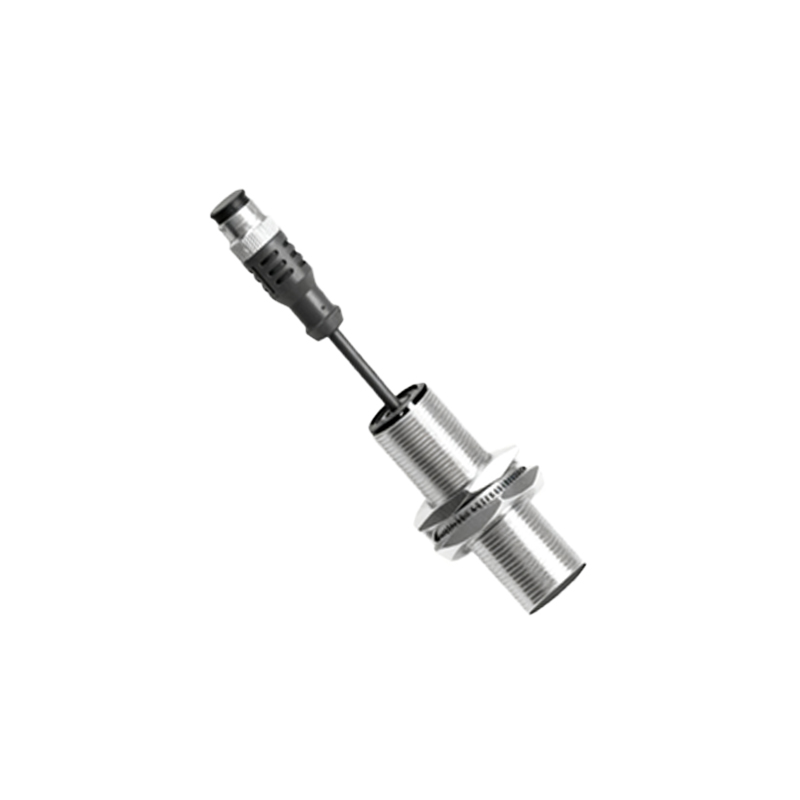
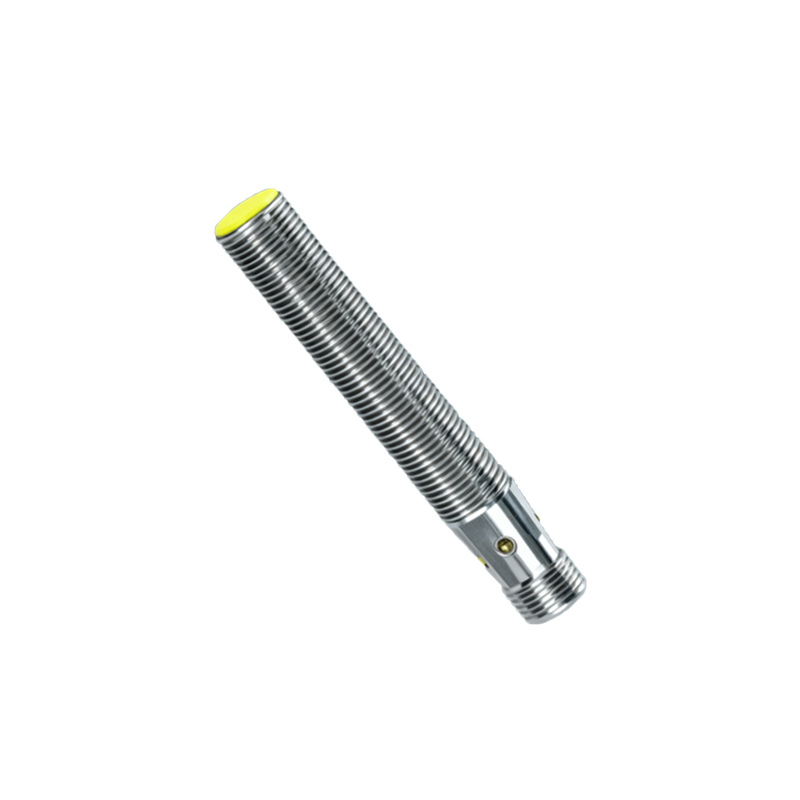
Several primary types of proximity sensors dominate the market, each with distinct operating principles and ideal use cases. Inductive proximity sensors are the most common type. They generate an electromagnetic field and detect the eddy currents induced in a metallic target. Consequently, they are exclusively used for detecting metals, with factors like the target's material and size affecting the sensing distance. Typical applications include position sensing of machine tools, metal detection in automated assembly, and speed monitoring of gear teeth.
Capacitive proximity sensors, on the other hand, can detect both metallic and non-metallic materials, including liquids, plastics, glass, and wood. They work by measuring changes in capacitance between the sensor's face and the target object. This makes them versatile for tasks like liquid level detection in tanks, monitoring the fill level of plastic or glass containers, and detecting wood or paper products on a production line.
For longer-range detection or applications requiring sensing of any material, photoelectric sensors are often employed. While not always classified strictly under "proximity switches," their diffuse-reflective variant functions similarly by emitting a light beam and detecting the reflection from an object. Ultrasonic sensors use sound waves for detection and are excellent for challenging conditions involving transparent objects, varying colors, or dusty atmospheres.
Selecting the right proximity switch sensor requires careful consideration of several key parameters. The sensing distance, or nominal range, is crucial and must account for installation tolerances and target characteristics. The sensor's housing material (e.g., stainless steel, nickel-plated brass, or PBT plastic) must withstand the environmental conditions, including temperature extremes, chemical exposure, and potential physical impacts. Output configuration is another critical choice; sensors commonly provide either a digital PNP (sourcing) or NPN (sinking) transistor output, or a relay contact, which must be compatible with the input module of the programmable logic controller (PLC) or other control device.
Furthermore, factors like switching frequency (how fast the sensor can detect objects in succession), whether it is normally open (NO) or normally closed (NC), and its protection rating (IP67 or IP69K for washdown environments) play a vital role in ensuring system reliability. Proper installation is equally important; sensors must be mounted securely, with adequate clearance from metal surfaces ("flush-mountable" or "non-flush-mountable" designs) to prevent false triggering.
The applications of proximity sensors are vast and integral to modern industry. In automotive manufacturing, they ensure robotic welders are in the correct position. In packaging machinery, they count products and verify cap placement. On automated storage and retrieval systems, they confirm the presence of pallets. They also form the backbone of many safety interlock systems, preventing machine operation if a guard door is open.
In conclusion, proximity switch sensors are fundamental components that bring intelligence and efficiency to automated systems. Understanding the different technologies—inductive, capacitive, photoelectric, and ultrasonic—allows engineers and technicians to make informed selections based on the target material, required sensing distance, and environmental conditions. By paying close attention to specifications and installation guidelines, these durable devices deliver millions of reliable operations, forming the unseen yet critical sensory network that keeps industry moving smoothly, safely, and productively.