Understanding Human Proximity Sensors
Human proximity sensors are critical components in modern automation and safety systems. These devices detect the presence or absence of a person within a specified range without physical contact. Utilizing technologies such as infrared (IR), ultrasonic, capacitive, and microwave, these sensors convert the detected presence into an electrical signal. This signal can then trigger various actions, such as activating lighting, controlling machinery, or enhancing security protocols. The selection of sensor technology depends heavily on the application environment, required detection range, and sensitivity. For instance, capacitive sensors are excellent for detecting humans through non-metallic materials, while passive infrared (PIR) sensors are widely used in energy-saving lighting systems due to their reliability and cost-effectiveness. Understanding these fundamental principles is essential for engineers aiming to integrate these sensors into complex electrical systems efficiently.
Key Specifications and Performance Metrics
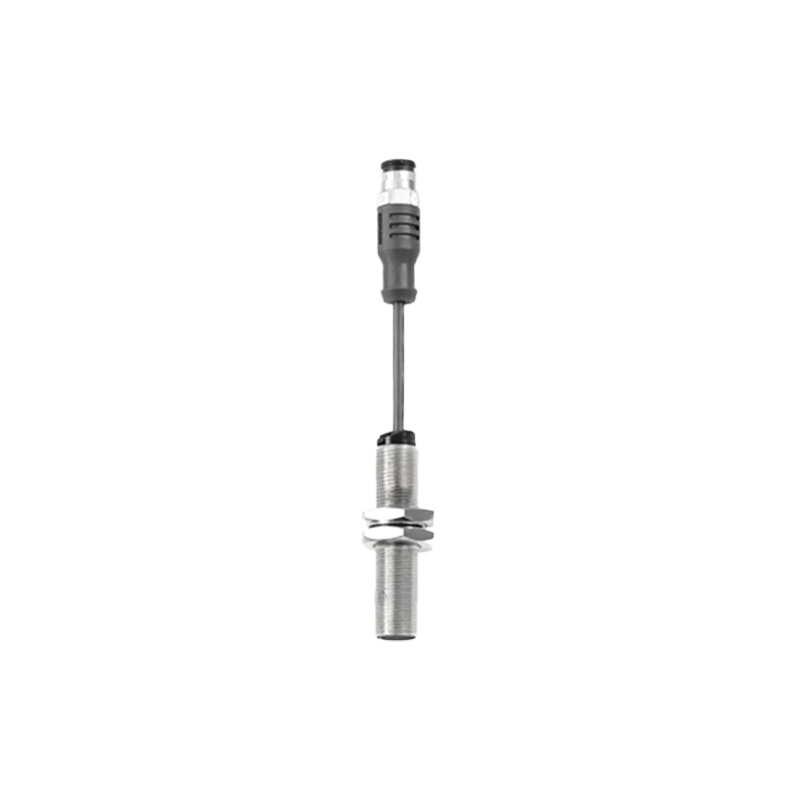
When sourcing human proximity sensors, engineers must meticulously evaluate technical specifications to ensure compatibility and performance. Detection range, typically measured in meters or centimeters, defines the maximum distance at which the sensor can reliably detect a human. Response time, often in milliseconds, indicates how quickly the sensor reacts to presence. Output types vary, including digital (e.g., NPN/PNP transistors) and analog signals (e.g., 4-20mA, 0-10V), which interface with PLCs, microcontrollers, or relay modules. Environmental ratings like IP (Ingress Protection) codes are crucial for durability; sensors in industrial settings may require IP67 ratings for dust and water resistance. Additionally, factors such as operating voltage (commonly 12-24V DC), temperature tolerance, and false-trigger immunity must align with the application's demands. On platforms like Alibaba, detailed specification sheets provided by suppliers enable precise comparisons, helping engineers avoid costly mismatches in projects ranging from smart buildings to automated manufacturing lines.
Advantages of Sourcing from Alibaba
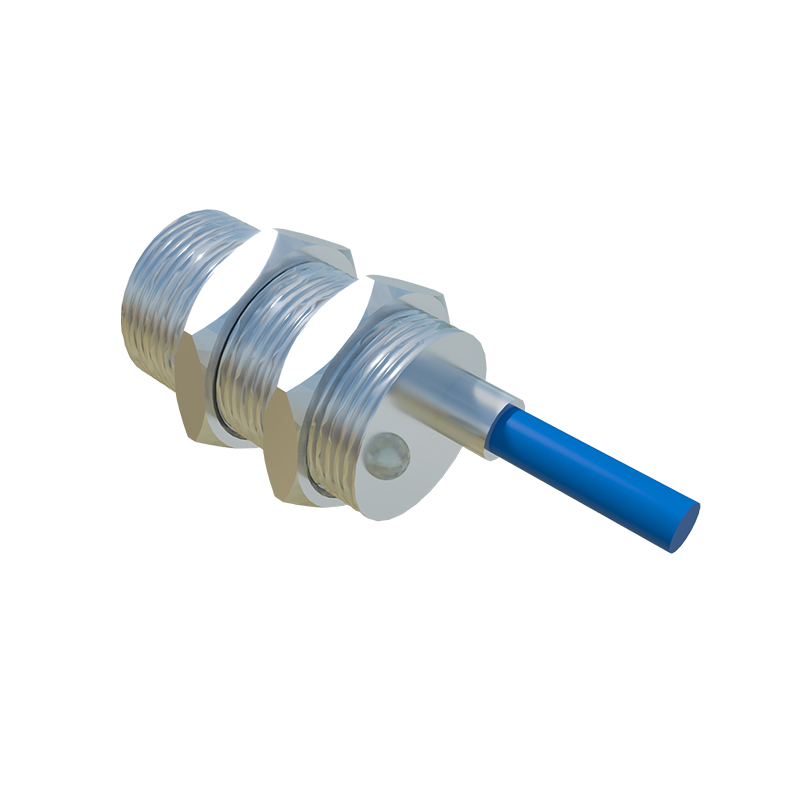
Alibaba serves as a global marketplace that offers unparalleled access to a vast array of human proximity sensor suppliers. One primary advantage is the competitive pricing due to direct manufacturer connections, which reduces intermediary costs. Engineers can explore products from diverse regions, including China, Taiwan, and Europe, allowing for technology and price benchmarking. The platform facilitates bulk purchasing, which is beneficial for large-scale industrial deployments. Moreover, Alibaba's supplier verification system, such as Gold Supplier status and Trade Assurance, provides a layer of trust by ensuring that vendors meet certain reliability standards. Customer reviews and transaction histories offer insights into product quality and supplier responsiveness. For custom requirements, many suppliers on Alibaba support OEM/ODM services, enabling tailored sensor solutions—such as adjustable sensitivity or specific housing designs—to meet unique project specifications without the overhead of in-house development.
Common Applications in Electrical Engineering
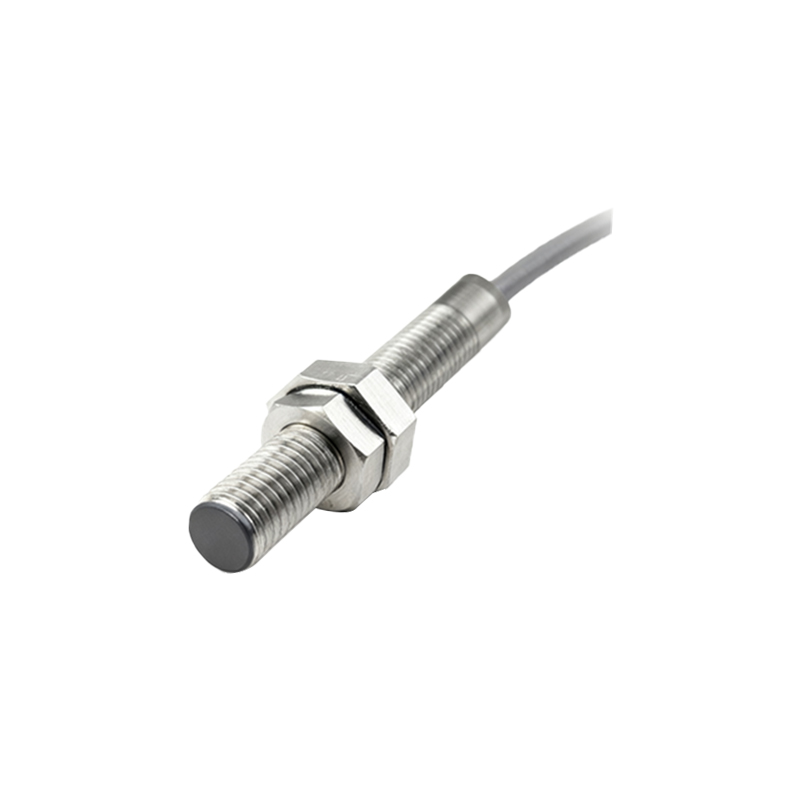
Human proximity sensors are integral to numerous electrical engineering applications, enhancing both efficiency and safety. In industrial automation, they are used for machine guarding, where sensors halt equipment when a worker enters a hazardous zone, preventing accidents. In building automation, these sensors enable touchless lighting and HVAC control, contributing to energy conservation by activating systems only when occupants are present. Security systems employ them for intrusion detection, triggering alarms upon unauthorized entry. Consumer electronics, like automatic doors and interactive kiosks, also rely on proximity sensing for seamless user experiences. Emerging trends include integration with IoT platforms, where sensor data is transmitted wirelessly for real-time monitoring and analytics. By leveraging Alibaba's diverse product listings, engineers can source sensors optimized for these varied applications, ensuring robust performance across residential, commercial, and industrial environments.
Best Practices for Selection and Integration
Selecting and integrating human proximity sensors requires a methodical approach to avoid operational issues. First, conduct a thorough needs analysis: define the detection environment (indoor/outdoor, presence of obstacles), required range, and desired output. Second, verify supplier credentials on Alibaba by checking certifications (e.g., CE, RoHS) and requesting samples for testing before large orders. During integration, ensure proper electrical compatibility by matching voltage levels and load capacities. Mounting position is critical; for example, PIR sensors should be placed away from heat sources to minimize false triggers. Calibration may be necessary to adjust sensitivity for specific conditions. Documentation, such as wiring diagrams and datasheets from Alibaba suppliers, aids in smooth installation. Finally, implement regular maintenance checks to sustain sensor accuracy over time, as environmental factors like dust accumulation can degrade performance. By adhering to these practices, engineers can maximize sensor reliability and longevity in their systems.
Future Trends and Innovations
The human proximity sensor market is evolving with advancements in technology and increasing demand for smart solutions. Mini