Understanding the Core Principle
Photoelectric sensors operate on a simple yet effective principle: they emit a beam of light (visible red, infrared, or laser) and detect changes in the received light intensity. The target object either reflects this light back to the sensor (reflective mode) or breaks the beam between a separate emitter and receiver (through-beam mode). The detection range is fundamentally the maximum distance at which this interaction can be reliably and consistently detected. Factors influencing this inherent range include the light source's power, the receiver's sensitivity, the target's size, color, surface finish, and environmental conditions like ambient light or airborne contaminants. A clear grasp of these variables is the first step toward effective range adjustment, as it informs which parameters can and should be modified.
Primary Adjustment Methods: Sensitivity and Threshold
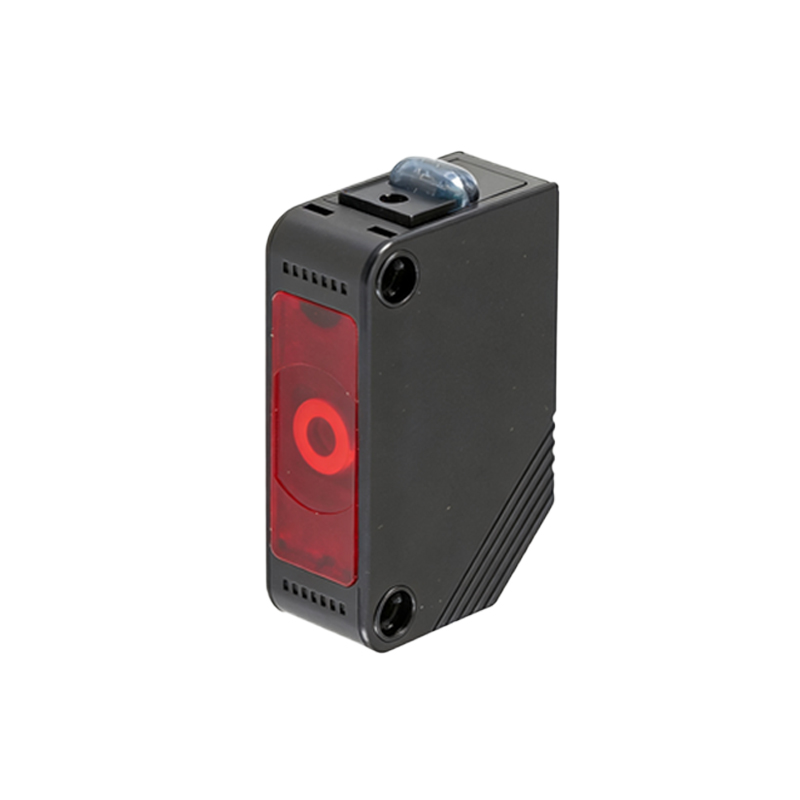
The most direct and common method for fine-tuning the detection range is adjusting the sensor's sensitivity or threshold setting. This is typically accomplished via a potentiometer (a small screw) or a digital interface on the sensor body. Increasing the sensitivity allows the sensor to detect fainter light signals, effectively extending its range. Conversely, decreasing sensitivity makes the sensor less receptive, shortening the operational range and increasing immunity to background interference or unwanted reflections. For example, when detecting a small, dark object at a distance, you might increase sensitivity. However, if the sensor is being triggered by a shiny background surface, reducing the sensitivity until the false trigger ceases is the correct procedure. Always make adjustments incrementally while observing the sensor's response to the actual target.
Leveraging Different Sensing Modes
Selecting the appropriate sensing mode is a strategic form of range adjustment. Through-beam sensors, with separate emitter and receiver units, offer the longest and most stable detection ranges, as they rely on the direct interruption of a focused beam. Retro-reflective sensors, which bounce light off a reflector, provide a good middle ground. Diffuse (proximity) reflective sensors, where the target itself reflects light back to the receiver, have the shortest range and are highly sensitive to the target's color and surface. If your application requires a longer range than your current diffuse sensor can provide, switching to a retro-reflective or through-beam configuration is often a more effective solution than pushing the sensitivity of an unsuitable model to its limits.
Optical Accessories for Range Control
Physical optical accessories offer precise mechanical control over the detection field. Aperture masks or tube attachments can be fitted over the lens to narrow the beam. This concentrates the light energy, potentially allowing for longer, more precise detection of small objects by reducing scattered light. Fiber optic cables, which act as light pipes, are exceptionally useful. They can be installed in tight spaces and their tips come in various shapes (straight, focused, divergent) that directly define the sensing spot size and effective range. Using a focused-tip fiber optic cable can create a very precise, long-range spot, while a divergent tip creates a wider, shorter-range detection zone.
Environmental Compensation and Calibration
Environmental factors can effectively shrink or expand a sensor's usable range. Strong ambient light, dust, fog, or temperature fluctuations can interfere with the light signal. Modern sensors often feature background suppression (BGS) or foreground suppression (FGS) technologies. BGS sensors use triangulation to detect only objects within a precise, adjustable distance band, ignoring anything beyond it, which is excellent for controlling range in the presence of a background. Regular calibration is also crucial. After any adjustment or significant environmental change, perform a calibration routine—often a simple press of a "teach" button while presenting the target at the desired maximum detection distance. This allows the sensor's internal circuitry to set its optimal baseline.
Troubleshooting Common Range Issues
Persistent range problems often point to specific issues. If the range is consistently shorter than specified, check for lens contamination, misalignment (for through-beam types), insufficient power supply voltage, or an overly large target object causing saturation. An unstable or fluctuating detection point often indicates electrical noise interference, power supply issues, or interference from multiple sensors operating at similar frequencies. In such cases, ensure proper shielding, use regulated power supplies, and stagger sensor operating frequencies if possible. Always consult the manufacturer's datasheet for the specific model's characteristics and recommended operating conditions, as these provide the essential baseline for all adjustments.