Introduction to Photoelectric Sensor Integration
The evolution of industrial automation demands higher precision and reliability from control components. Traditional pressure switches, while robust, often rely on mechanical diaphragms, bellows, or pistons that physically move to make or break an electrical contact. This mechanical action, though proven, introduces limitations such as contact wear, susceptibility to vibration, and potential for pressure spike damage. The integration of photoelectric sensing principles into pressure monitoring represents a paradigm shift. By replacing or augmenting the mechanical sensing element with a non-contact optical system, engineers can achieve superior performance. The core idea involves translating pressure into a physical displacement—often of a diaphragm or piston—which then modulates a light beam. This displacement is detected optically, eliminating the need for electrical contacts in the sensing chamber and opening the door to more durable and precise switching.
Core Operational Principles and Design
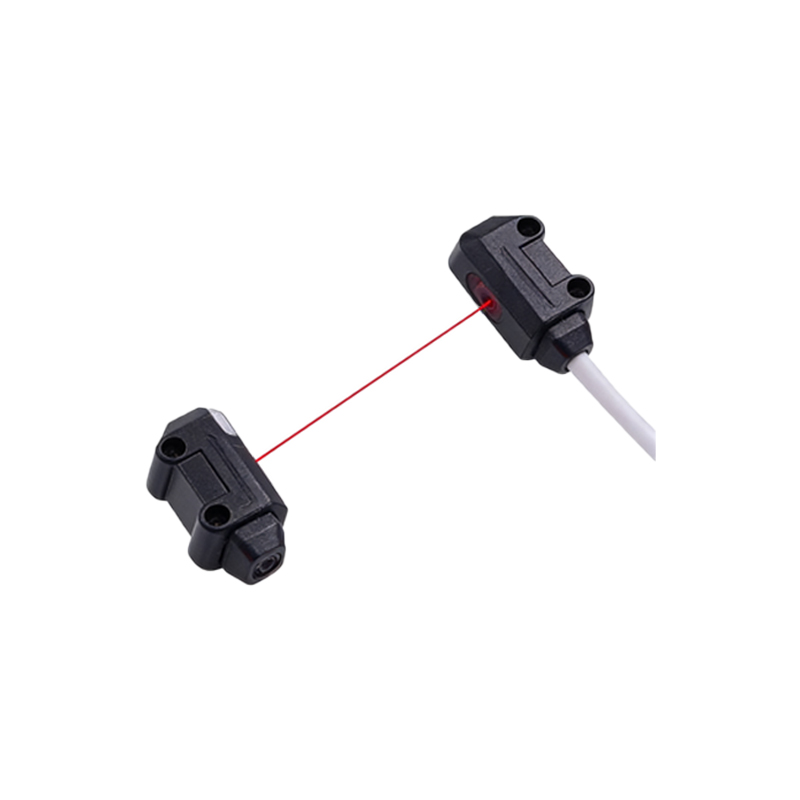
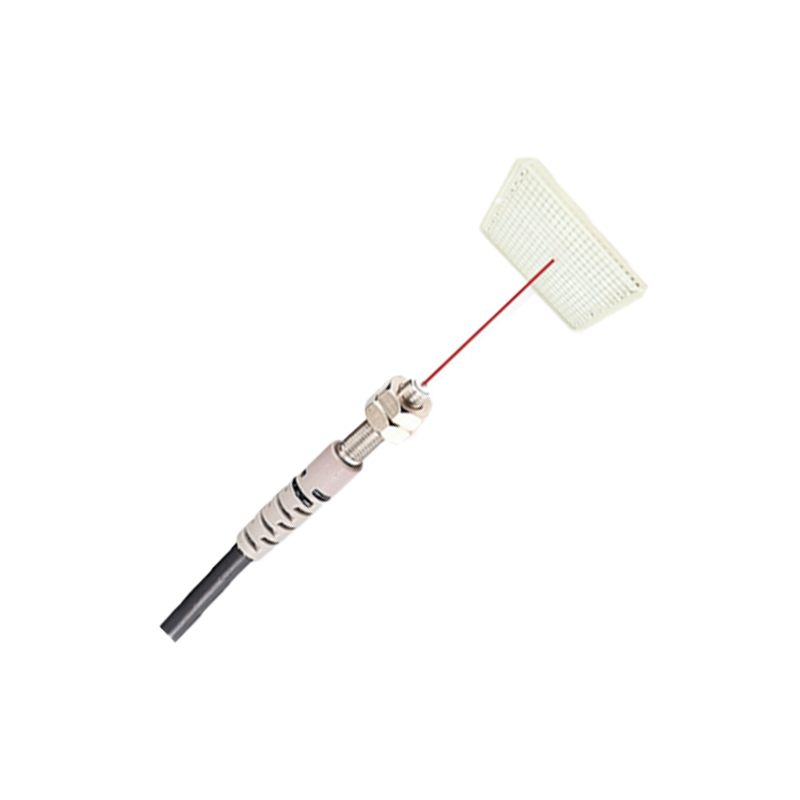
A photoelectric pressure switch fundamentally consists of a pressure-sensing diaphragm, an optical source (typically an LED), a photodetector (such as a phototransistor), and signal conditioning electronics. The pressure diaphragm is positioned so that its deflection under applied pressure alters the path or intensity of a light beam. In a common through-beam configuration, the diaphragm may move into or out of the light path between the emitter and receiver. Alternatively, in a reflective design, the diaphragm itself or an attached flag acts as a reflector. As pressure changes, the amount of light reaching the detector varies proportionally. This analog light signal is converted by the photodetector into an electrical current, which is then amplified and processed by a comparator circuit. When the signal reaches a preset threshold corresponding to the desired setpoint, the solid-state output switches state. This design completely isolates the pressure media from electrical components, enhancing safety in hazardous environments.
Advantages Over Conventional Mechanical Switches
The benefits of retrofitting or designing with photoelectric sensing are substantial. First and foremost is the dramatic increase in lifespan. Without moving electrical contacts that arc and erode, the switching mechanism can endure tens of millions of cycles. Accuracy and repeatability are also enhanced, as the optical detection of diaphragm position is not subject to the hysteresis and setpoint drift common in spring-loaded mechanical switches. The non-contact sensing makes the device highly resistant to vibration and shock, a critical factor in mobile hydraulic or process industry applications. Furthermore, the response time is significantly faster because the moving mass is minimized to the diaphragm alone, without the inertia of a mechanical snap-action switch. This allows for quicker system responses to pressure transients. The solid-state electronics also enable features like programmable hysteresis, time delays, and multiple output formats (PNP/NPN, analog, IO-Link) that are difficult or impossible with purely mechanical designs.
Key Application Scenarios and Industries
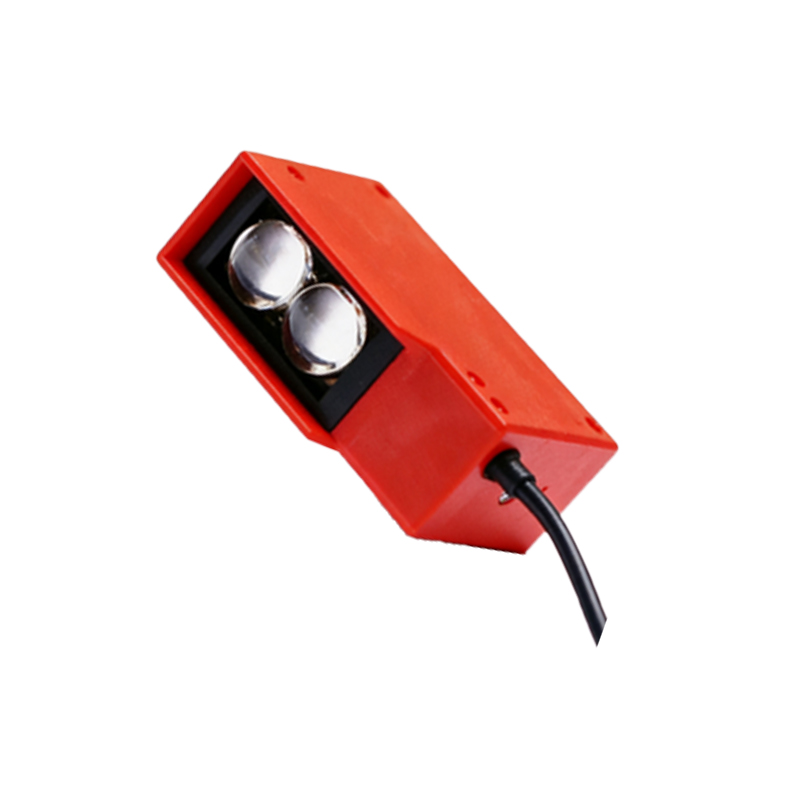
This technology finds its strongest value proposition in applications where reliability, speed, and cleanliness are paramount. In hydraulic and pneumatic systems, photoelectric pressure switches provide precise control for pump loading/unloading, actuator sequencing, and pressure monitoring without the risk of contaminating the fluid with contact wear debris. The food, beverage, and pharmaceutical industries benefit from the clean, oil-free operation and the ability to use corrosion-resistant sensing diaphragms compatible with sanitary standards. In compressors and refrigeration systems, their vibration resistance ensures stable operation. They are also ideal for leak testing equipment, where fast response and high repeatability are essential for detecting minute pressure decays. Mobile equipment, subjected to constant jolting, leverages their ruggedness to prevent false trips. Essentially, any application plagued by frequent mechanical switch failure or demanding high-speed precision is a candidate for photoelectric sensor integration.
Implementation and Retrofit Considerations
Implementing a photoelectric pressure switch requires careful planning. For new designs, selection involves matching pressure range, diaphragm material, electrical output, and environmental ratings (IP, NEMA) to the application. Retrofitting an existing mechanical switch necessitates evaluating the mounting interface, pressure port size, and electrical connectivity. Many modern photoelectric switches are designed to be form-fit replacements for common mechanical switch housings. The electrical integration is straightforward but different; instead of wiring a simple dry contact, engineers connect a powered DC device with a switched output. Attention must be paid to voltage supply, load compatibility, and wiring practices to avoid electrical noise interference with the sensitive optical electronics. Setting the switch point is typically done via a digital interface or a calibrated potentiometer, offering much finer adjustment than a screwdriver on a mechanical spring.
Future Trends and Conclusion
The future of photoelectric pressure switching is intertwined with the growth of Industry 4.0 and smart manufacturing. The next generation of these devices is evolving into intelligent sensors with embedded diagnostics. They can monitor their own light source intensity, detect lens contamination, and provide predictive maintenance alerts. The integration of digital communication protocols like IO-Link allows for remote configuration, real-time pressure value readback, and seamless data integration into PLCs and control networks. This transforms a simple switch into a networked data point. Material science advancements will also yield more sensitive and robust diaphragms. In conclusion, the modification of pressure switches through photoelectric sensor technology is not merely an incremental improvement but a fundamental upgrade. It delivers unmatched reliability, precision, and functionality, addressing the growing demands of modern industrial systems and paving the way for more interconnected and intelligent fluid power control.