Introduction to Infrared Photoelectric Sensors
In the high-stakes environment of modern injection molding, precision, reliability, and safety are non-negotiable. At the heart of achieving these critical operational parameters lies a sophisticated yet often understated component: the infrared photoelectric sensor. These sensors serve as the vigilant eyes of the injection molding machine (IMM), providing non-contact detection and monitoring essential for automated processes. Unlike mechanical limit switches, infrared photoelectric sensors offer superior longevity, faster response times, and immunity to physical wear, making them indispensable in the harsh, repetitive cycles of plastic molding. Their ability to function reliably amidst dust, vibration, and temperature fluctuations typical of a molding floor underscores their engineering superiority for this demanding application.
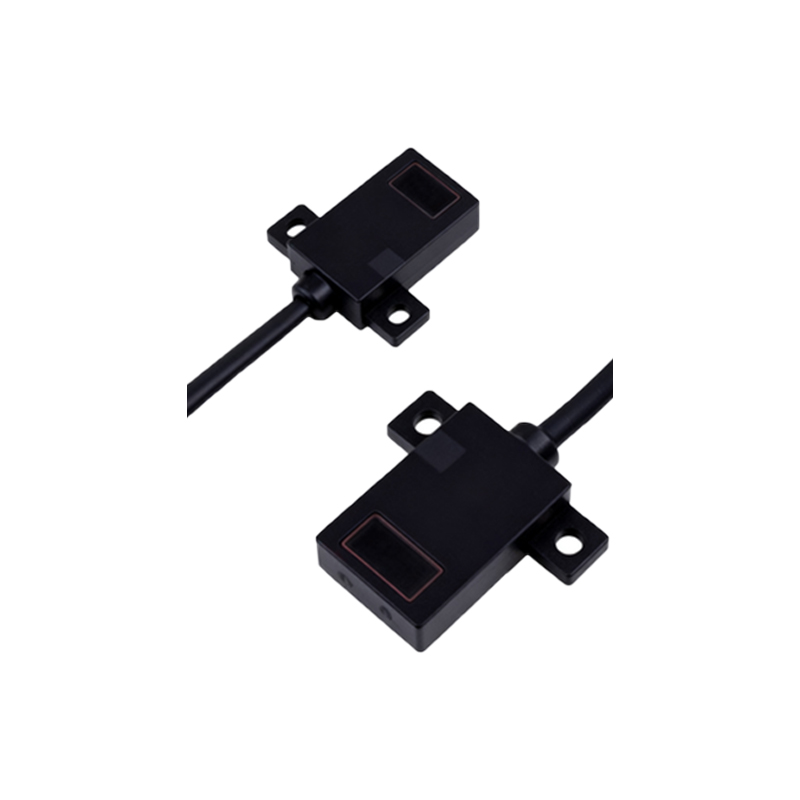
Core Operating Principles and Technology
Infrared photoelectric sensors operate on a fundamental principle of light beam interruption. An emitter diode transmits a modulated beam of infrared light, which is invisible to the human eye. A separate receiver detects this beam. The sensor's output state changes when the target object—be it a molded part, robot arm, or safety gate—interrupts or reflects this beam. In injection molding, three primary sensing modes are employed. Through-beam sensors, with separate emitter and receiver units, offer the longest sensing range and highest reliability for part ejection verification. Retro-reflective sensors use a reflector to bounce the beam back to a combined unit, ideal for detecting transparent or semi-transparent plastic parts. Diffuse reflective sensors detect the target by the light reflected directly from its surface, commonly used for proximity sensing and bin level detection of plastic pellets.
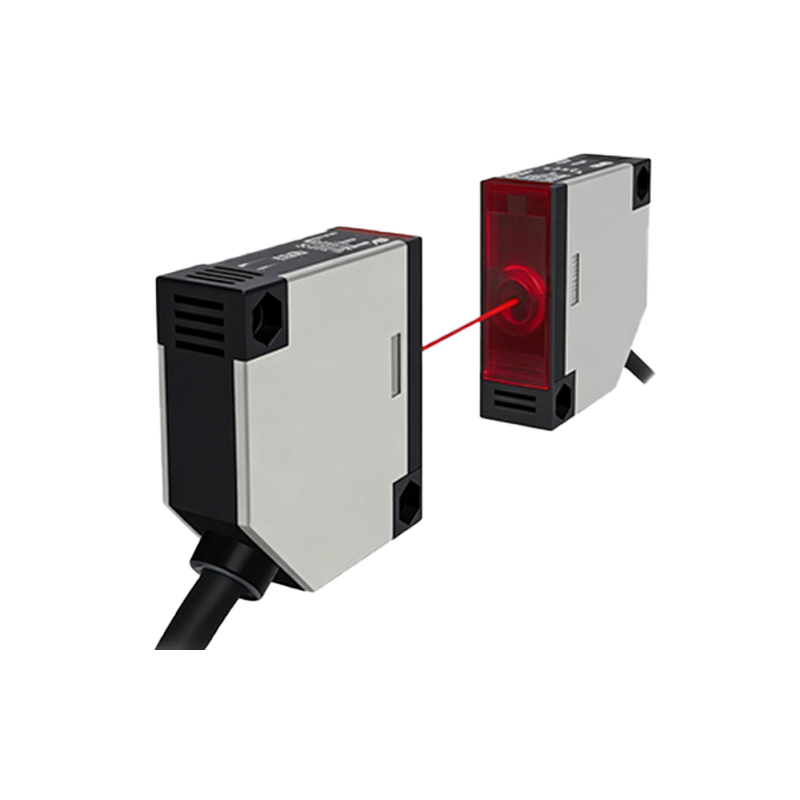
Key Applications in the Injection Molding Process
The integration of infrared sensors permeates the entire injection molding workflow. A primary application is part ejection verification. Sensors positioned at the drop chute or conveyor confirm the successful exit of each molded part from the mold. A missed detection can signal a mold jam or incomplete ejection, preventing catastrophic mold damage in the next cycle. Secondly, they are crucial for mold protection. Sensors monitor the correct positioning of inserts or the complete closure of the mold before the high-pressure injection phase commences. Furthermore, they enable precise material handling, monitoring the level of plastic granules in the hopper to prevent starvation and ensuring the correct positioning of robotic arms for part removal and placement. This network of sensors creates a closed-loop control system, enhancing overall equipment effectiveness (OEE).
Advantages Over Alternative Sensing Technologies
Choosing infrared photoelectric sensors over other technologies like inductive, capacitive, or ultrasonic sensors is a deliberate engineering decision for specific injection molding tasks. Their foremost advantage is the ability to detect virtually any material—opaque, transparent, or colored plastics—without physical contact. This is critical for delicate finished parts. They provide exceptionally fast response times, in the microsecond range, keeping pace with high-cycle machines. Their solid-state construction ensures remarkable durability against mechanical shock and millions of operational cycles. When compared to visible light sensors, infrared models are significantly less susceptible to interference from ambient factory lighting, including fluorescent and LED lights, ensuring stable operation in varied industrial environments.
Critical Selection Criteria and Installation Best Practices
Selecting the right sensor requires careful analysis. Sensing range, determined by the specific mounting location, is paramount. The housing material must withstand exposure to oils, mold release agents, and occasional high temperatures near the mold platens, typically requiring IP67-rated stainless steel or rugged polymer housings. The output type (PNP/NPN) must be compatible with the machine's programmable logic controller (PLC). For installation, precise alignment is critical for through-beam and retro-reflective types. Sensors should be mounted on stable brackets to minimize vibration-induced misalignment. Strategic placement is necessary to avoid false triggers from passing personnel, cooling water lines, or stray reflections from shiny metal surfaces. Regular lens cleaning is a simple but vital maintenance task to prevent performance degradation from accumulated dust or oil mist.
Troubleshooting Common Sensor Issues
Even robust systems can encounter issues. Intermittent operation often points to misalignment due to machine vibration; re-securing and realigning the sensor usually resolves this. Consistent failure to detect may indicate a dirty lens, a failing emitter/receiver, or an incorrect sensing range for a newly introduced part material. False triggering can frequently be traced to external light interference; using sensors with modulated infrared light and checking for reflective surfaces in the beam path are standard corrective steps. A systematic approach—checking power supply, wiring connections, physical alignment, and environmental factors—will diagnose most field problems efficiently, minimizing machine downtime.
The Future: Smart Sensors and Industry 4.0 Integration
The evolution of infrared photoelectric sensors is tightly coupled with the rise of Industry 4.0. The next generation comprises "smart sensors" with integrated IO-Link communication. These devices go beyond simple switching; they transmit rich parametric data such as signal strength, operating temperature, and lens contamination levels to the central control system. This enables predictive maintenance, where the system can alert operators to clean a lens before a fault occurs, or diagnose a gradual emitter decay. In a networked injection molding cell, sensor status becomes part of the overall machine health data, contributing to optimized production scheduling, traceability, and truly intelligent, self-monitoring manufacturing systems.