Introduction to the Luji M185 Photoelectric Sensor
The Luji M185 photoelectric sensor is a widely used industrial device designed for object detection, positioning, and counting in automation systems. It operates by emitting a light beam, typically infrared or visible light, and detecting changes in the received light due to the presence or absence of an object. A common question among engineers and technicians is whether the indicator light on the M185 should be illuminated during normal operation. Understanding this is crucial for troubleshooting and ensuring optimal performance in electrical and automation applications. This article delves into the functionality, normal states, and interpretation of the light status on the Luji M185 sensor.
Normal Operating States and Light Indicators
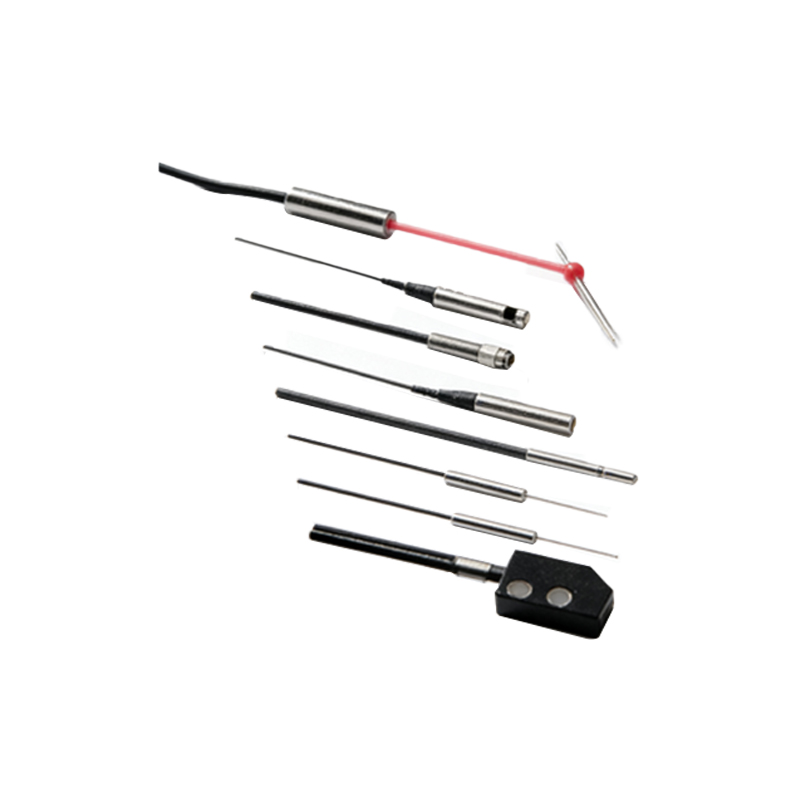
In standard operation, the Luji M185 photoelectric sensor features an LED indicator light that provides visual feedback on its status. Typically, this light is designed to be on when the sensor is powered and functioning correctly. For many models, a steady green or red light indicates that the sensor is receiving power and is in a ready state. When an object is detected within the sensing range, the light may change—for instance, turning off, blinking, or switching colors—depending on the sensor's configuration (e.g., light-on or dark-on mode). It is essential to consult the specific product manual, as variations exist across different versions or settings. Generally, if the light is off entirely, it could signal a power issue, wiring fault, or sensor malfunction.
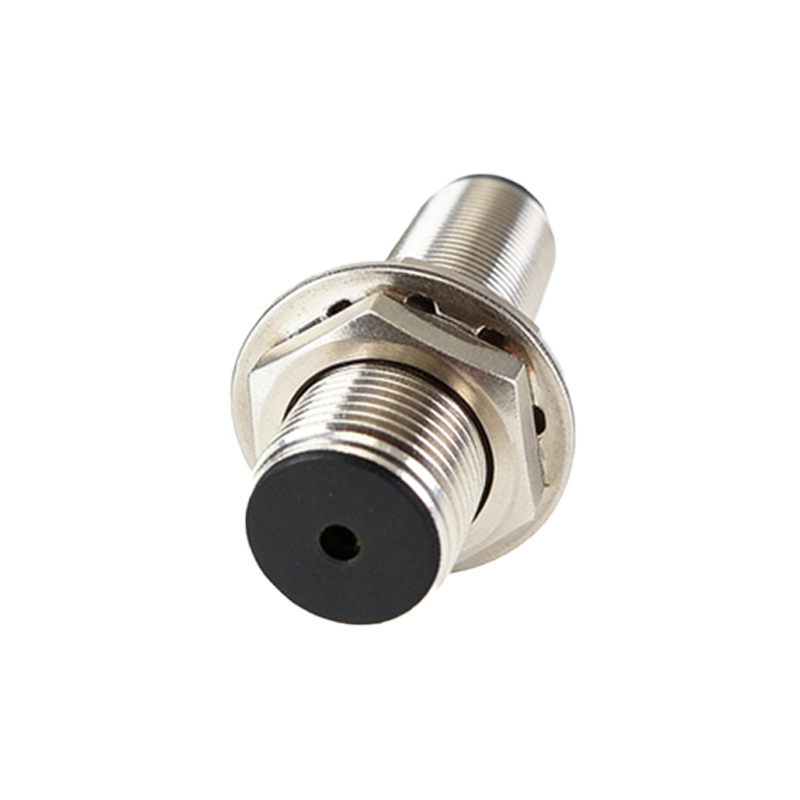
Common Scenarios for Light Behavior
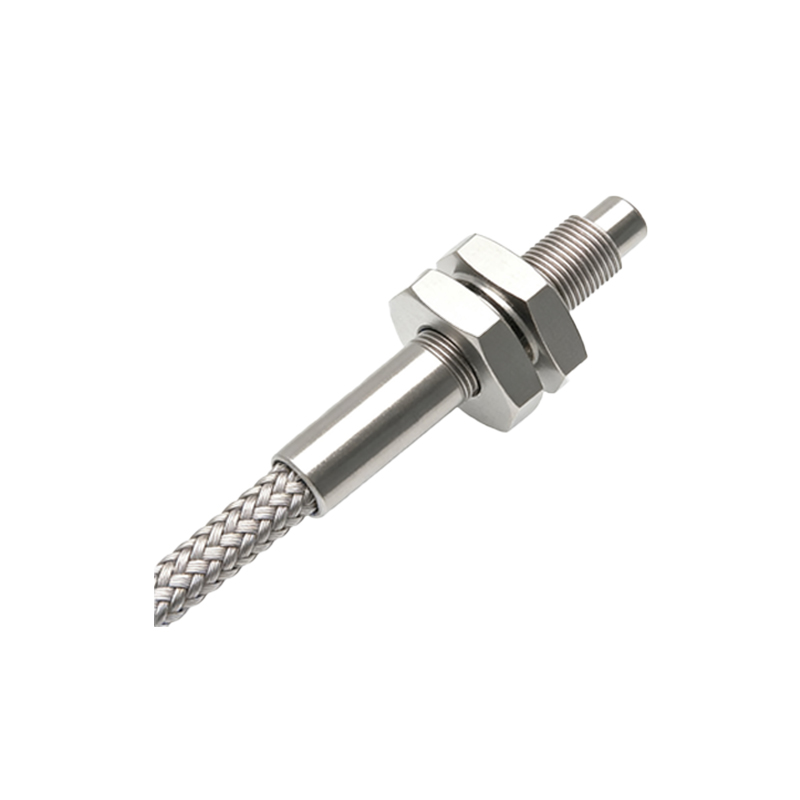
Several factors influence whether the light on the Luji M185 is on. First, in a "light-on" mode, the sensor's output is activated when the receiver detects the emitted light (e.g., in a through-beam setup where the beam is uninterrupted). Here, the indicator might be steady when no object is present and change upon detection. Conversely, in a "dark-on" mode, the output activates when the light beam is blocked, causing the indicator to behave oppositely. Environmental conditions, such as dust, moisture, or strong ambient light, can also affect the sensor's performance, potentially leading to erratic light behavior. Additionally, incorrect alignment or dirty lenses may cause the light to flicker or remain off, indicating a need for maintenance.
Troubleshooting Tips for Light Issues
If the light on your Luji M185 photoelectric sensor is not on as expected, follow these steps to diagnose the problem. Begin by checking the power supply: ensure the voltage matches the sensor's specifications (commonly 10-30V DC) and that wiring connections are secure. Verify the sensor's configuration switch settings, as an incorrect mode (e.g., NPN vs. PNP) can prevent proper operation. Inspect the sensing environment for obstructions or interference that might disrupt the light beam. Clean the emitter and receiver lenses with a soft cloth to remove any debris. If the light remains off after these checks, test the sensor with a multimeter to measure output signals or consider replacing it, as internal components may be damaged.
Best Practices for Optimal Performance
To maintain reliable operation and correct light indicator behavior, adhere to industry best practices. Install the Luji M185 sensor in a stable environment away from direct sunlight or vibrating machinery, which can cause false triggers. Regularly calibrate the sensor according to the manufacturer's guidelines, especially after changes in the application setup. Use shielded cables to minimize electrical noise interference, which can impact both the sensor's output and light indicators. Keep a log of maintenance activities and light status observations to quickly identify patterns or recurring issues. By following these practices, engineers can ensure the sensor functions accurately, with the light serving as a dependable diagnostic tool.
Conclusion and Key Takeaways
In summary, the light on the Luji M185 photoelectric sensor is typically on during normal powered operation, but its behavior varies based on detection modes and environmental factors. Understanding whether it should be on, off, or changing states is vital for effective system integration and troubleshooting. Always refer to the official documentation for model-specific details, and implement routine checks to prevent downtime. By mastering the indicator light's nuances, electrical professionals can enhance automation efficiency and reduce errors in industrial settings.