Introduction to High-Power Proximity Sensing
In the demanding landscape of industrial automation, reliable object detection is paramount. Among the various sensing technologies, 24V DC high-power proximity switch sensors have established themselves as a cornerstone for robust and efficient operations. These devices are engineered to detect the presence or absence of metallic objects without any physical contact, leveraging electromagnetic fields. The "high-power" designation typically refers to their ability to switch higher currents directly, often up to several amperes, and their enhanced performance in challenging environments with factors like dirt, dust, or moisture. Operating on a standard 24V DC supply, they align perfectly with the common control voltage used in PLCs (Programmable Logic Controllers) and industrial control panels, simplifying integration and reducing the need for additional interfacing components.
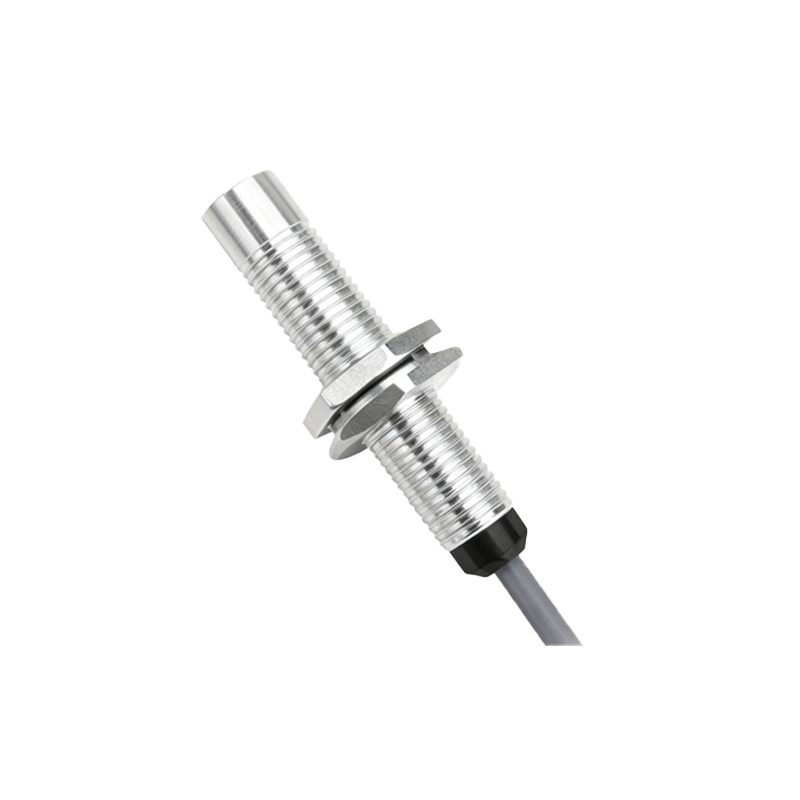
Core Operating Principles and Technology
The majority of high-power 24V proximity sensors are based on the inductive sensing principle. The sensor's oscillator circuit generates a high-frequency electromagnetic field at its active face. When a ferrous or non-ferrous metal target enters this field, eddy currents are induced on the target's surface. This causes a change in the oscillation amplitude, which is detected by the sensor's threshold circuit. This detection triggers a solid-state switch—typically a MOSFET—within the sensor to change state. For a normally open (NO) sensor, the output switches on (closes), allowing current to flow to the load. The high-power capability is achieved through robust output stage design, enabling them to directly control devices like solenoid valves, contactor coils, motor starters, or high-wattage indicator lamps without an intermediate relay in many cases.
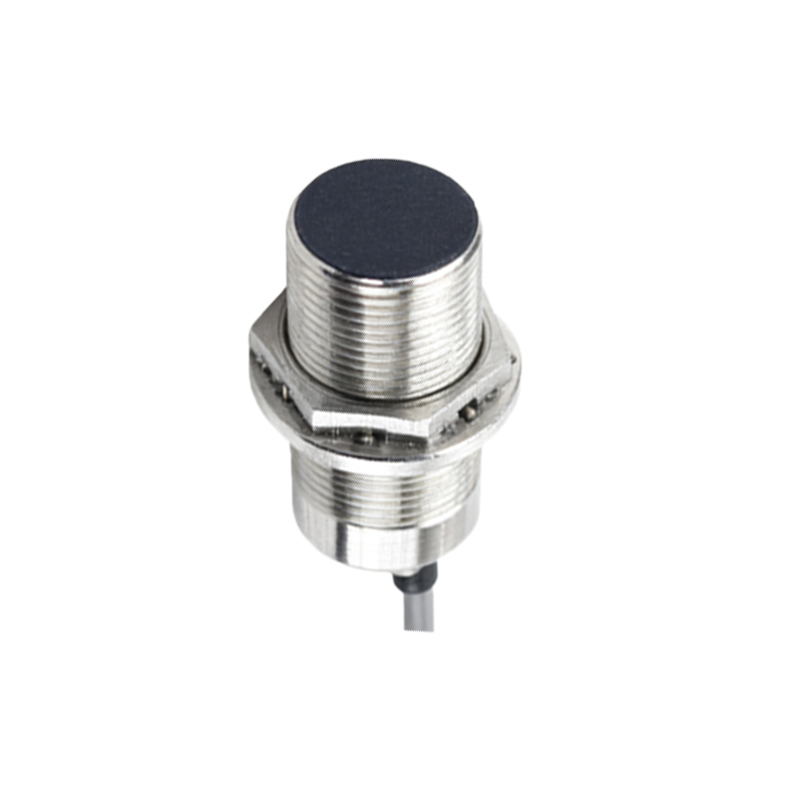
Key Advantages of the 24V High-Power Design
The combination of 24V DC and high-current switching offers distinct benefits. Firstly, 24V DC is a safe extra-low voltage, reducing risks associated with electrical shock during installation and maintenance, which is a critical safety consideration in industrial settings. The high switching capacity minimizes component count in control cabinets by eliminating the need for auxiliary relays for many loads, leading to cost savings, reduced panel space, and increased system reliability. These sensors also exhibit excellent resistance to electrical noise commonly found in industrial plants, ensuring stable operation. Furthermore, their robust construction often translates to a longer operational lifespan, as they are designed to handle inrush currents from inductive loads, a common cause of failure for standard sensors.
Critical Selection Parameters and Specifications
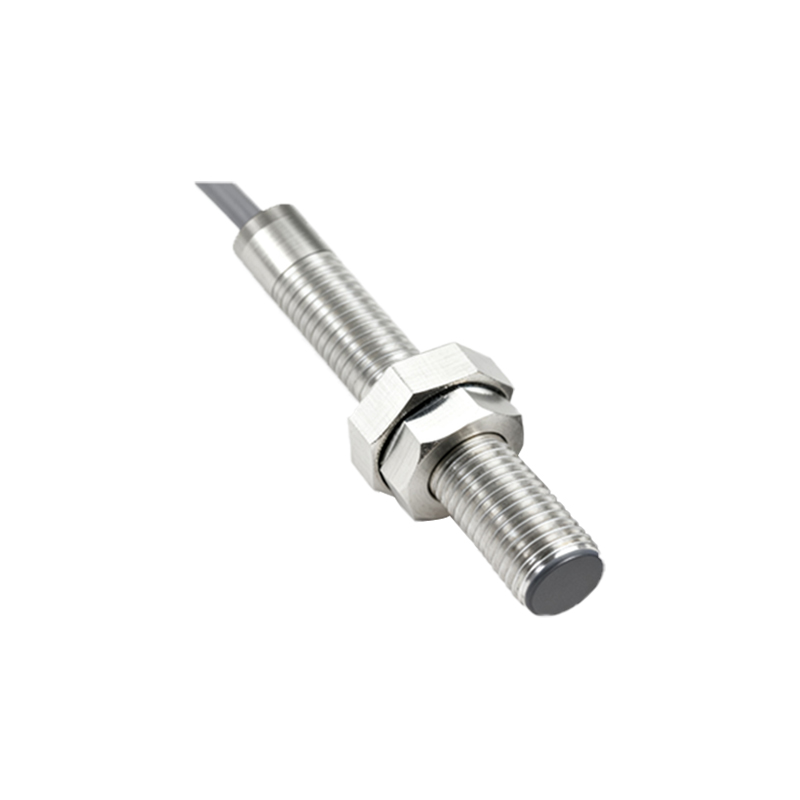
Selecting the appropriate 24V high-power proximity sensor requires careful analysis of several parameters. The switching distance (nominal sensing range) must be chosen with a safety margin to account for mechanical tolerances. The output type is crucial: PNP (sourcing) or NPN (sinking) must match the input card of the controller. The output current rating (e.g., 2A continuous) must exceed the load requirement, paying special attention to the inrush current of inductive loads. Housing material (often nickel-plated brass or stainless steel) determines resistance to chemicals and physical impact. Protection class (IP67, IP68, IP69K) defines the level of protection against dust and water ingress. Additionally, factors like operating temperature range, short-circuit and overload protection, and response frequency are vital for ensuring performance in the specific application.
Typical Industrial Applications and Use Cases
These sensors are workhorses across numerous industries. In material handling and packaging, they detect metal parts on conveyors, control sorting gates, and verify pallet presence. In automotive manufacturing, they monitor robot end-effector positions, confirm part placement in welding fixtures, and control heavy-duty clamping cylinders. Machine tool builders utilize them for tool presence detection, chuck clamping confirmation, and safety door monitoring. Their high-power output is particularly valuable for directly actuating large solenoid valves in hydraulic or pneumatic systems, and for controlling the coils of high-power contactors that start and stop motors, thereby streamlining control architecture.
Installation, Wiring, and Maintenance Best Practices
Proper installation is key to optimal performance. Sensors should be mounted securely to minimize vibration, and adequate clearance from surrounding metal (flush-mountable or non-flush types) must be respected as per datasheet guidelines. For wiring, correct polarity must be observed. A typical three-wire DC sensor has brown (24V+), blue (0V), and black (output) wires. It is good practice to use shielded cable in electrically noisy environments, connecting the shield to ground at the controller end only. Regular maintenance involves checking for physical damage, ensuring the sensing face is clean from metal chips or debris, and verifying the electrical connections are tight