Introduction to the GX5s Proximity Sensor
The GX5s series represents a significant advancement in proximity sensing technology, designed specifically for demanding industrial environments. These sensors utilize high-frequency oscillation to detect the presence or absence of metallic objects without physical contact. Engineered with robust materials, the GX5s ensures reliable operation in conditions involving dust, moisture, and temperature variations. Its compact form factor allows for easy integration into machinery and automated systems, making it a versatile component for assembly lines, packaging equipment, and material handling applications. The non-contact nature of detection minimizes wear and tear, thereby extending the operational lifespan of both the sensor and the machinery it monitors.
Key Technical Specifications and Performance
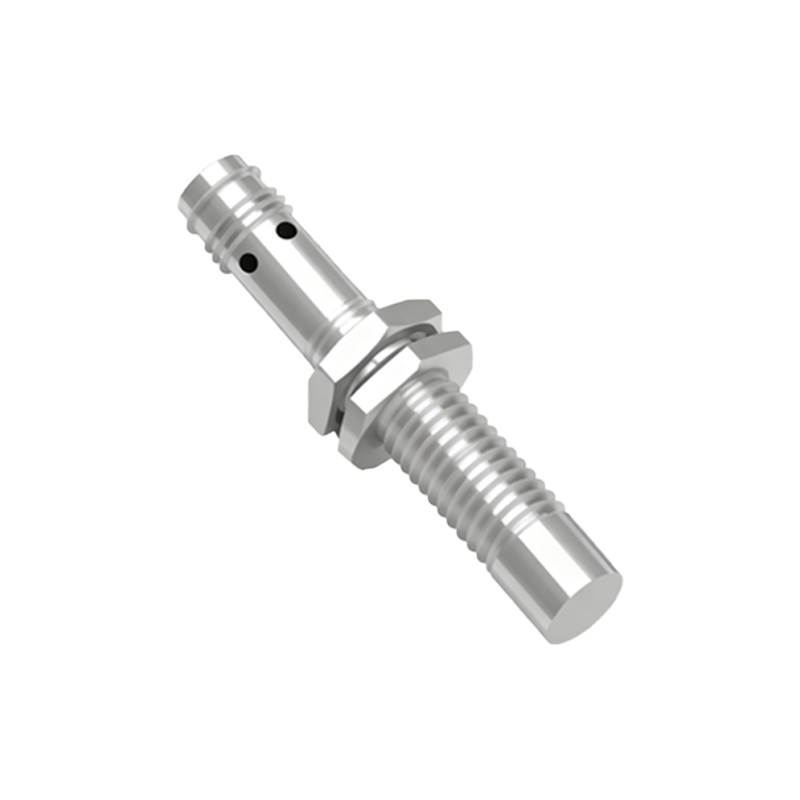
The GX5s proximity sensor boasts impressive technical parameters that set it apart in the market. It typically offers a sensing range from 2mm to 15mm, depending on the specific model and target material. Operating voltages range from 10-30V DC, ensuring compatibility with standard industrial power supplies. The sensor features a high switching frequency, enabling rapid response times critical for high-speed automation processes. With protection ratings such as IP67, it is resistant to water and dust ingress, suitable for harsh factory floors. Additionally, the GX5s incorporates short-circuit and reverse polarity protection, safeguarding connected systems from electrical faults and installation errors.
Application Scenarios in Modern Industry
In automotive manufacturing, the GX5s is deployed for precise part positioning and robotic arm guidance, enhancing production accuracy. Within the food and beverage sector, its sealed design complies with hygiene standards, detecting containers on conveyor belts without contamination risk. The sensor also plays a pivotal role in logistics, monitoring pallet movement in warehouses and ensuring smooth automated storage and retrieval system operations. For machinery safety, it can serve as a non-contact interlock, halting equipment when unauthorized access is detected, thereby protecting personnel from potential hazards.
Installation and Configuration Guidelines
Proper installation is crucial for optimal GX5s performance. Mount the sensor securely using provided brackets, ensuring alignment with the target object within the specified sensing range. Maintain adequate clearance from surrounding metal surfaces to prevent interference and false triggering. For wiring, follow the color-coded cables: typically, brown for positive, blue for negative, and black for the output signal. Utilize shielded cables in electrically noisy environments to minimize electromagnetic interference. After installation, perform calibration tests by moving the target object through the detection zone, verifying consistent output signals via indicator LEDs or a multimeter.
Maintenance and Troubleshooting Tips
Regular maintenance of the GX5s involves visual inspections for physical damage and cleaning the sensing face with a soft cloth to remove debris that could impair functionality. Periodically check electrical connections for corrosion or looseness. Common issues include failure to detect objects, which may stem from incorrect mounting distance or accumulated dirt. If the sensor outputs erratically, investigate potential power supply fluctuations or environmental interference. Refer to the manufacturer’s manual for diagnostic LED patterns; a steady glow often indicates normal operation, while blinking may signal faults. Replacing worn sensors promptly prevents downtime in automated processes.
Future Trends and Industry Impact
The evolution of proximity sensors like the GX5s is closely tied to Industry 4.0 and smart manufacturing trends. Future iterations may integrate IoT capabilities, enabling real-time data transmission for predictive maintenance and system optimization. Enhanced materials could further improve resistance to extreme temperatures and chemicals, expanding applications in sectors like aerospace and pharmaceuticals. As automation becomes more pervasive, the demand for reliable, high-precision sensors will grow, driving innovations in miniaturization and energy efficiency. The GX5s series, with its proven robustness, is poised to adapt to these advancements, continuing to support efficient and safe industrial operations worldwide.