Introduction to Photoelectric Sensors
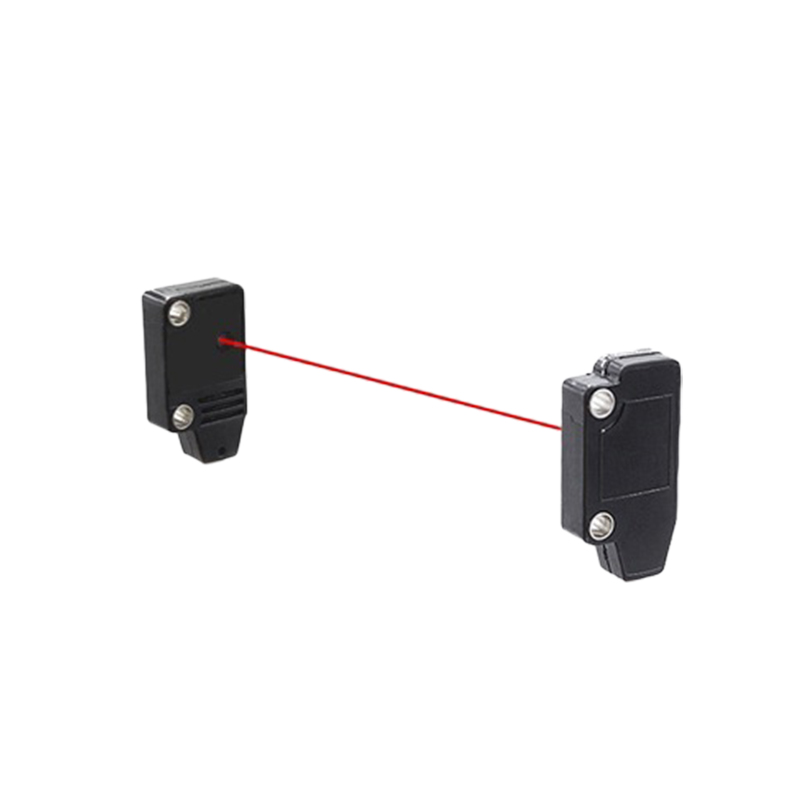
Photoelectric sensors are indispensable components in modern industrial automation, utilizing light beams to detect the presence, absence, or distance of objects. These sensors operate by emitting a light beam from a transmitter, which is then received by a photodetector. When an object interrupts or reflects this beam, the sensor triggers an output signal. Common types include through-beam, retro-reflective, and diffuse reflective sensors, each suited for specific applications. Through-beam sensors offer the longest sensing ranges and highest reliability, as they consist of separate emitter and receiver units. Retro-reflective models use a reflector to bounce the light back to the receiver, making them ideal for detecting objects that may not be perfectly aligned. Diffuse sensors rely on the reflection from the object itself, providing a compact solution for close-range detection. The core advantages of photoelectric sensors lie in their non-contact operation, high speed, and ability to detect a wide variety of materials, including glass, metal, plastic, and liquids. Their versatility makes them critical for tasks such as object counting, positioning, and quality control on production lines.
Fundamentals of Time Switches
Time switches, also known as timer switches or programmable time controls, are electromechanical or electronic devices designed to automatically turn electrical circuits on or off based on a preset schedule. They are fundamental for energy management, process automation, and safety systems in industrial and commercial settings. Basic time switches feature a dial or digital interface for programming daily or weekly cycles. More advanced models incorporate astronomical functions to adjust for sunrise and sunset times, or offer multiple independent programs for complex automation sequences. The primary function is to eliminate the need for manual operation, ensuring consistent and reliable control of lighting, heating, ventilation, air conditioning (HVAC), and machinery. In industrial environments, time switches can initiate startup sequences for production equipment, manage shift-based lighting, or control periodic maintenance cycles for pumps and compressors. Their integration helps reduce energy consumption, prevent human error, and optimize operational workflows.
Key Applications in Industrial Systems
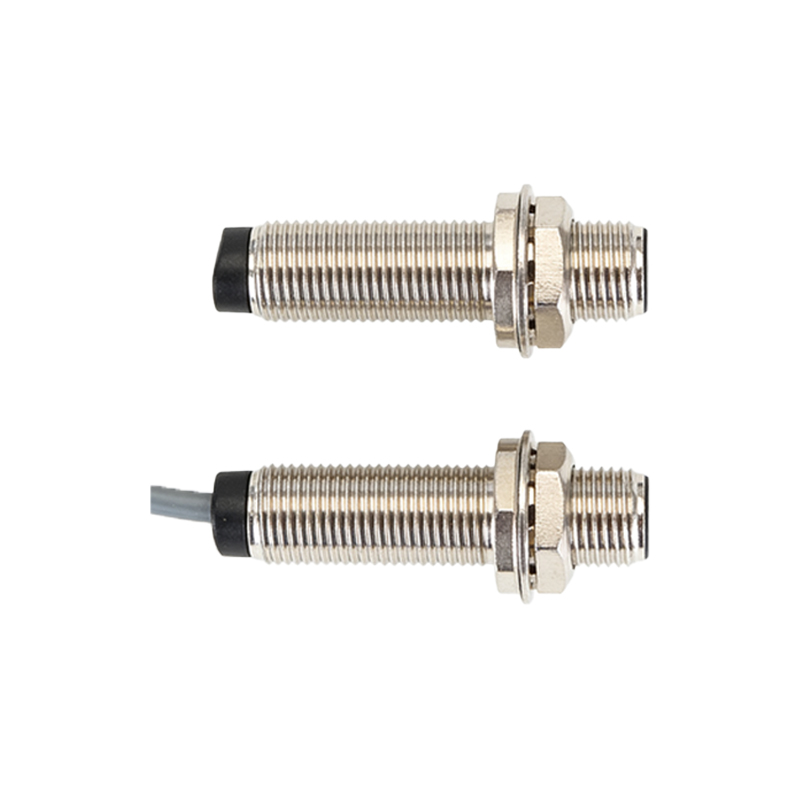
The synergy between photoelectric sensors and time switches creates robust automation solutions. A common application is in automated packaging lines. Here, a photoelectric sensor detects a product on a conveyor belt. This detection signal can be fed into a control system that uses a time switch to activate a sealing mechanism for a precise duration after the product is in position, ensuring consistent packaging quality. In warehouse management, photoelectric sensors are used for pallet detection and inventory counting on racks. Time switches can then control the lighting system in the warehouse, turning on aisle lights only when motion sensors (often photoelectric) detect activity, thereby saving significant energy. Another critical application is in safety systems. Photoelectric safety curtains, a type of sensor array, can create an invisible light barrier around hazardous machinery. If the beam is broken, a time switch can be programmed to introduce a deliberate delay before the machinery can be restarted, enforcing a safe lockout period for personnel.
Selection Criteria and Integration Tips
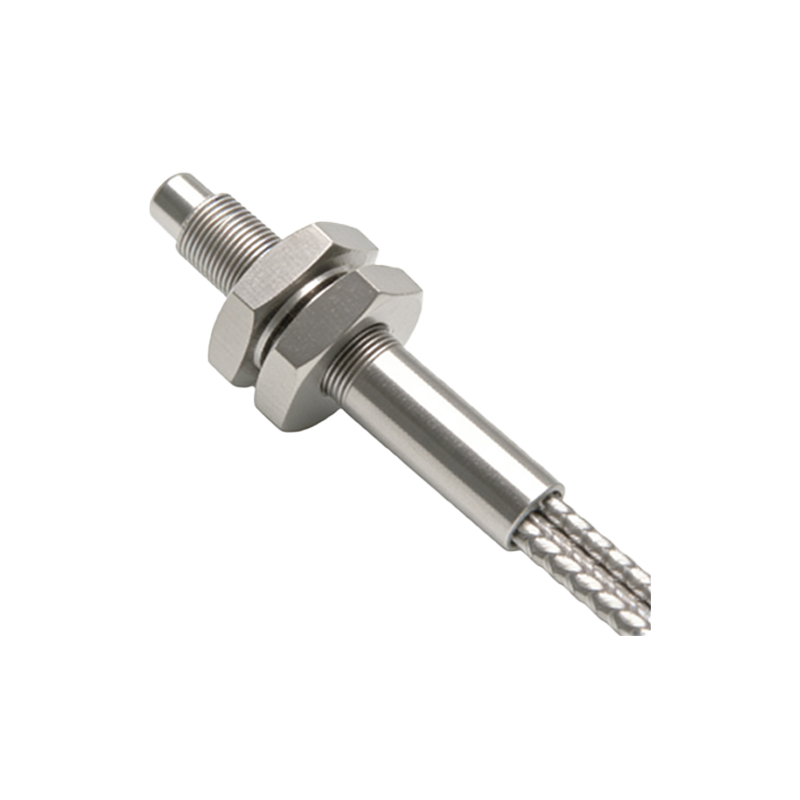
Selecting the right photoelectric sensor requires careful consideration of the sensing range, target material, environmental conditions, and required output type. For dusty or humid environments, sensors with high ingress protection (IP) ratings are essential. The response time must be fast enough for high-speed production lines. For time switches, key factors include the number of channels, programming flexibility, load capacity, and communication protocols for integration into larger networks like PLCs or SCADA systems. When integrating these devices, proper electrical installation following manufacturer guidelines is paramount. For sensors, alignment is critical, especially for through-beam types; misalignment can cause false triggers or failures. Shielding from ambient light interference is also necessary. Time switches should be installed in accessible locations for programming and should have battery backup to retain settings during power outages. The output signals from photoelectric sensors are typically low-voltage and may require interfacing relays or opto-isolators to connect safely with the control voltage of a time switch or a central programmable logic controller (PLC).
Future Trends and Technological Advancements
The future of photoelectric sensors points toward miniaturization, enhanced intelligence, and improved connectivity. Sensors with integrated IO-Link communication are becoming standard, allowing for parameter setting, condition monitoring, and diagnostics directly from a central controller. This enables predictive maintenance, as the sensor can report degradation in its lens clarity or LED output. Time switches are evolving into sophisticated networked time controllers. Modern devices feature Ethernet/IP, Modbus TCP, or wireless connectivity, allowing for remote programming, monitoring, and integration into Industrial Internet of Things (IIoT) platforms. The convergence of sensing and timing with data analytics will lead to more adaptive systems. For instance, a photoelectric sensor tracking production speed could feed data to an intelligent timer that dynamically adjusts machine cycle times to optimize throughput and energy use based on real-time demand, moving beyond fixed schedules to responsive, data-driven automation.