Introduction to Photoelectric Sensor Reliability
The question of reliability is paramount in industrial automation, where sensor failure can lead to costly downtime and production losses. Photoelectric sensors, which use light beams to detect the presence, absence, or distance of objects, are a cornerstone of modern manufacturing. Their reliability is not a simple yes or no answer but a multifaceted consideration based on design, application, and environmental factors. Inherently, these sensors have no moving mechanical parts in their sensing element, which is a significant advantage over mechanical limit switches. This fundamental design characteristic contributes greatly to their long operational life and resistance to wear from repeated actuation. However, their reliability is contingent upon selecting the right type for the job and installing it correctly within a system designed to mitigate common failure modes.
Inherent Design Strengths and Weaknesses
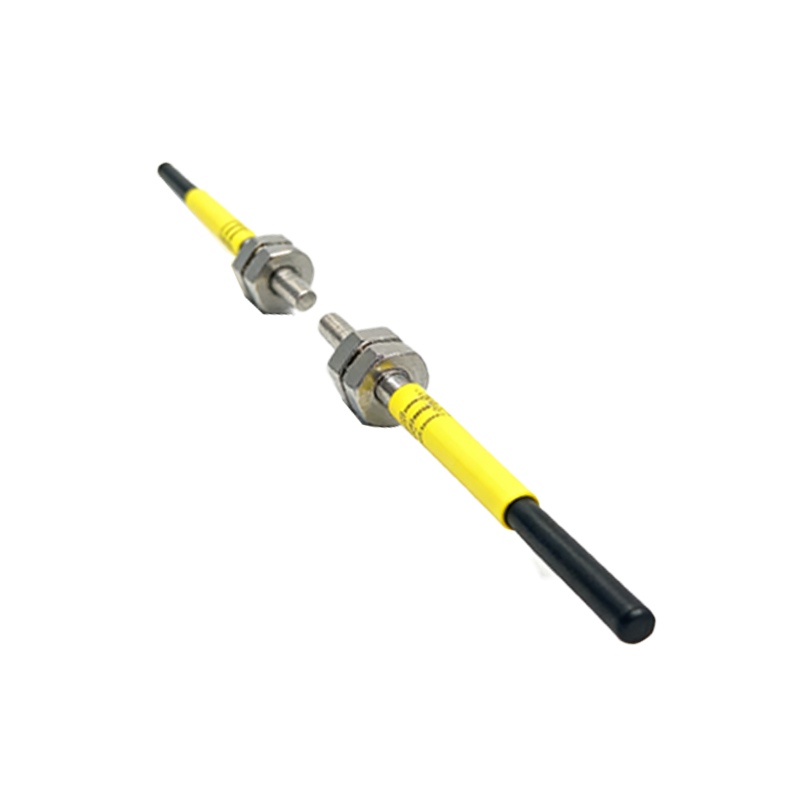
The core reliability of a photoelectric sensor stems from its solid-state components. The light emitter (typically an LED) and the receiver (a phototransistor or photodiode) are semiconductor devices with exceptionally long lifespans, often rated for tens of thousands of hours of continuous operation. Unlike contact sensors, there is no physical wear from touching the target object. This makes them ideal for high-speed counting or positioning applications. However, this strength is also linked to a primary vulnerability: the integrity of the light beam. Any obstruction, contamination, or misalignment can cause false readings. Furthermore, the optical components can be sensitive to harsh chemicals that cloud lenses or build-up of dust and grime that scatters or blocks light. The electronic circuitry, while robust, can be susceptible to voltage spikes, electrical noise, and extreme temperatures if not properly specified.
Environmental Factors Impacting Performance
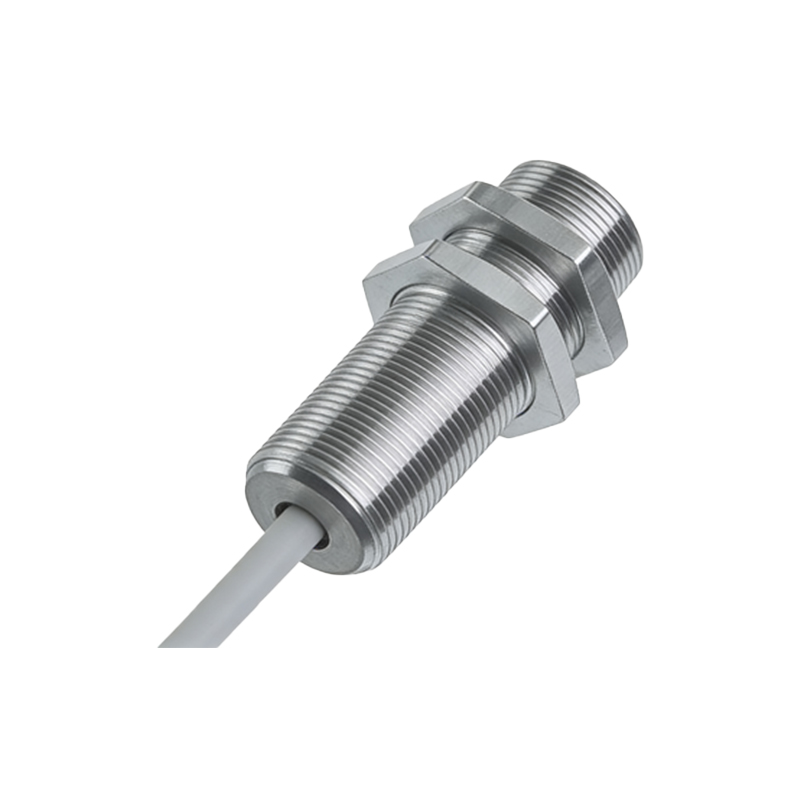
The operating environment is the most critical external factor determining sensor reliability. Industrial settings present numerous challenges. Ambient light from factory windows or high-intensity lamps can interfere with certain sensor types, causing instability. Dust, steam, oil mist, and spray can coat the lens, attenuating the signal over time. Vibrations can slowly shift a sensor's alignment, leading to failure. Temperature extremes can affect LED output and receiver sensitivity, while also stressing electronic components and housing seals. Modern sensors address these issues with features like robust housing ratings (IP67, IP69K), polarized light filters to reject ambient light, and synchronous designs that ignore constant background light. Choosing a sensor with an environmental rating that exceeds the actual application requirements is a key strategy for enhancing long-term reliability.
Application-Specific Reliability Considerations
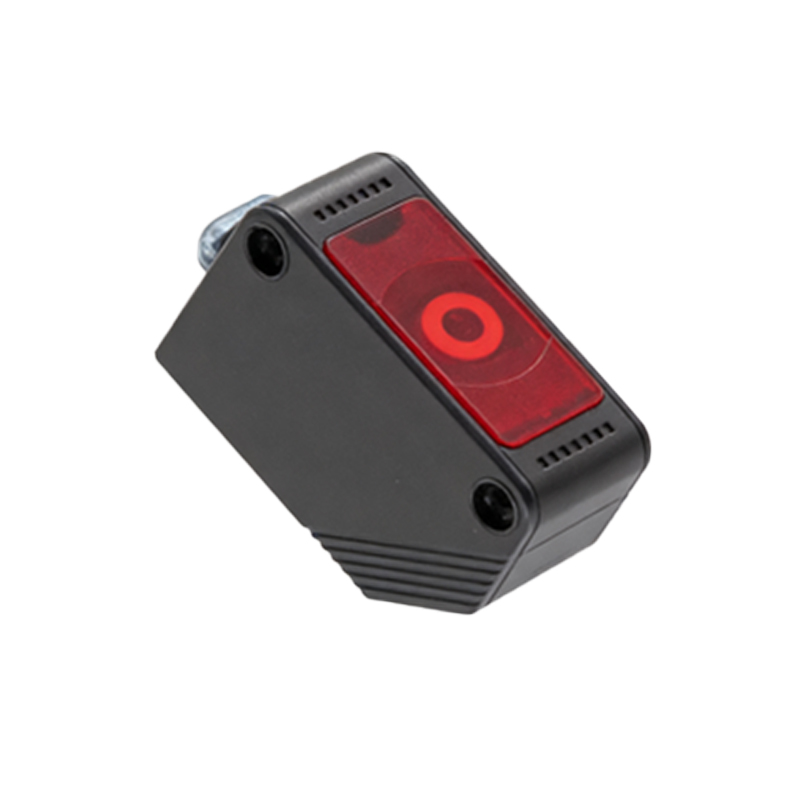
Reliability is directly tied to proper sensor selection for the specific task. Using a diffuse reflective sensor for a clear glass object detection will be inherently unreliable without special models designed for transparent materials. Similarly, attempting long-range detection with a standard sensor may push it beyond its operational limits. For critical applications, redundant sensing systems or sensors with built-in diagnostics and output monitoring (like IO-Link technology) significantly boost system reliability. These "smart" sensors can report lens contamination, weak signal strength, or internal temperature, allowing for predictive maintenance before a failure occurs. The reliability of the system is thus enhanced by moving from a simple "on/off" device to an intelligent component that communicates its health status.
Comparative Reliability with Other Sensor Types
When evaluated against other common sensing technologies, photoelectric sensors generally offer superior reliability in non-contact applications. Compared to inductive proximity sensors, they can detect non-metallic objects and operate over longer ranges. Compared to capacitive sensors, they are less sensitive to environmental changes like humidity and can be more precisely adjusted. Ultrasonic sensors, while excellent for harsh, dirty environments and liquid level detection, can be less reliable for small object detection or in applications with significant air turbulence or temperature gradients. The choice often involves a trade-off; photoelectric sensors provide excellent speed, precision, and versatility, but their optical nature requires a cleaner environment than ultrasonic or some inductive models for optimal reliability.
Best Practices for Maximizing Sensor Lifespan
Ensuring the high reliability of a photoelectric sensor installation involves adherence to several best practices. First, perform a thorough application review to select the correct sensing mode (through-beam, retro-reflective, diffuse), range, and housing. Second, ensure secure mounting to resist vibration and use protective accessories like mounting brackets or shrouds to guard against physical impact. Third, implement proper electrical installation, including surge protection and clean, stable power supplies as per manufacturer guidelines. Fourth, establish a routine maintenance schedule for lens cleaning using appropriate materials. Finally, leverage advanced features like automatic sensitivity adjustment, teach-in functions, and diagnostic outputs to maintain performance over time. By following these steps, the inherent reliability of the photoelectric sensor can be fully realized in the field.
Conclusion: A Reliable Choice with Informed Implementation
In conclusion, photoelectric sensors are highly reliable components when their strengths and limitations are understood and respected. Their solid-state design provides a strong foundation for long service life in a vast array of industrial applications. Their reliability is not absolute but is a function of intelligent product selection, careful installation, and consideration of the operating environment. For tasks requiring fast, non-contact detection of a wide variety of materials, they often represent the most reliable and cost-effective solution available. By treating them as a system component whose performance must be managed—rather than a simple commodity—engineers and technicians can achieve exceptional levels of operational uptime and process consistency, making photoelectric sensors a trusted and reliable workhorse in automation.