In embedded systems and IoT devices, proximity sensors play a critical role in detecting the presence or absence of objects within a specified range. These sensors generate interrupts to notify the microcontroller when a target enters or exits the detection zone. However, improper handling of these interrupts can lead to system instability, missed events, or excessive power consumption. This article delves into the concept of proximity sensor interrupt clearing, outlining best practices for reliable operation.
When a proximity sensor triggers an interrupt, it sets a flag within its internal register or signals the host microcontroller via a dedicated interrupt line. The microcontroller must acknowledge and clear this interrupt to reset the sensor’s state and prepare for subsequent detections. Failure to clear interrupts promptly can cause the sensor to remain in a “stuck” state, where it stops responding to new proximity events. This scenario is common in systems using infrared (IR), ultrasonic, or capacitive proximity sensors.
The interrupt clearing process varies depending on the sensor’s communication interface. For I2C or SPI-based sensors, clearing typically involves reading a specific status register. This read operation automatically resets the interrupt flag in many sensor designs. For example, a common sequence includes:
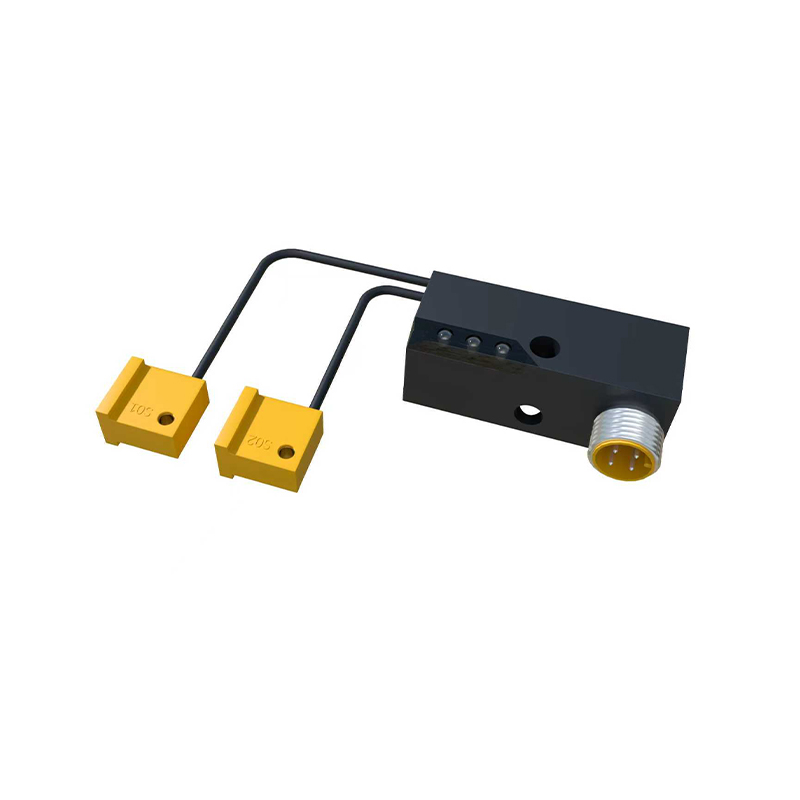
1. The microcontroller enters the interrupt service routine (ISR) upon detecting an active interrupt line.
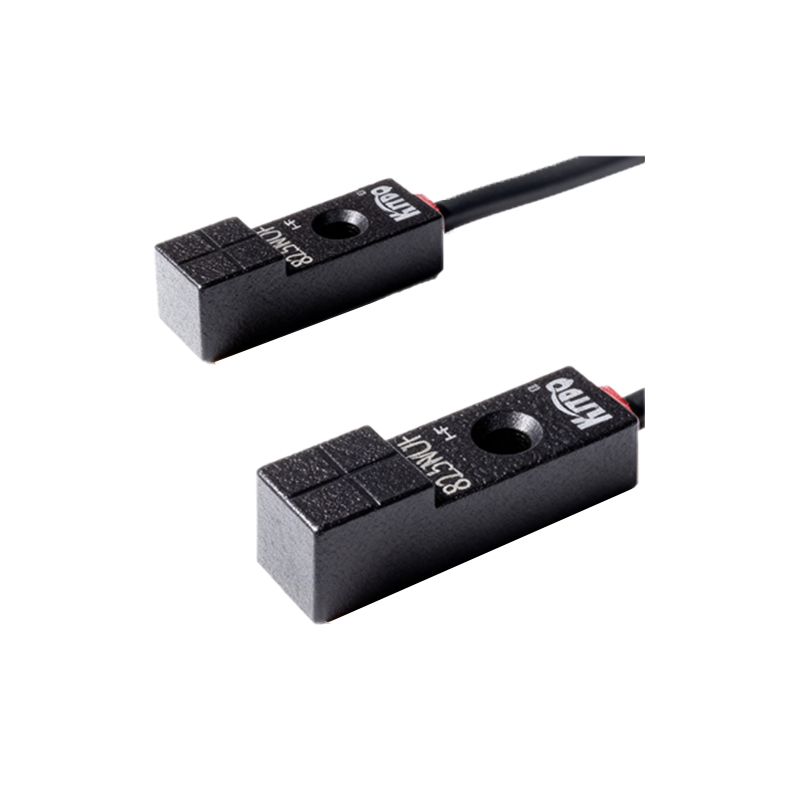
2. It reads the sensor’s interrupt status register to determine the event type (e.g., object near or far).
3. The read action clears the interrupt flag, allowing the sensor to generate new interrupts.
4. The microcontroller processes the event data and exits the ISR.
In some sensors, clearing requires writing a specific value to a control register. Developers must consult the sensor’s datasheet to identify the exact procedure. Overlooking this step can result in persistent interrupts, causing the ISR to execute repeatedly and hog CPU resources. This is especially problematic in battery-powered devices where efficient sleep modes are essential.
Timing is another crucial factor. Interrupts should be cleared early in the ISR to minimize the risk of missing rapid sequential events. However, care must be taken to avoid clearing interrupts before fully processing the event data. A balanced approach involves reading and storing necessary sensor data immediately, then clearing the interrupt, and finally performing data analysis or transmission tasks.
Noise and false triggers can complicate interrupt management. Environmental factors like electrical interference or ambient light may cause spurious interrupts. Implementing software debouncing or validation checks—such as verifying the proximity reading against a threshold—can prevent unnecessary clearing and processing. Additionally, some sensors offer configurable interrupt persistence settings, which require multiple consecutive detections before triggering an interrupt, thereby reducing noise sensitivity.
Debugging uncleared interrupts often involves monitoring the sensor’s registers using logic analyzers or debug probes. Symptoms like unresponsive sensors or continuous interrupt firing indicate potential clearing issues. Developers should also ensure that global interrupts are correctly enabled or disabled during critical sections to prevent race conditions.
In summary, proper proximity sensor interrupt clearing is fundamental to system reliability. By adhering to sensor-specific protocols, optimizing timing, and incorporating noise mitigation, developers can ensure accurate and efficient proximity detection. As sensors evolve with advanced features like multi-event FIFOs and smart interrupt masking, mastering these basics remains key to robust embedded design.