Introduction to U-Shaped Photoelectric Sensors
U-shaped photoelectric sensors, also known as through-beam sensors, are fundamental components in modern industrial automation. These devices consist of two separate units: a transmitter and a receiver, housed in a U-shaped bracket that aligns them perfectly. The transmitter emits a beam of light, typically infrared or visible LED, which is detected by the receiver. When an object passes through the gap, it interrupts this beam, triggering a signal change. This simple yet reliable principle makes them indispensable for object detection, counting, positioning, and safety applications across various industries, including packaging, material handling, and assembly lines. Their through-beam design offers superior detection range and immunity to environmental factors like color, reflectivity, or surface texture of the target object, unlike diffuse-reflective sensors.
Core Accessories and Their Functions
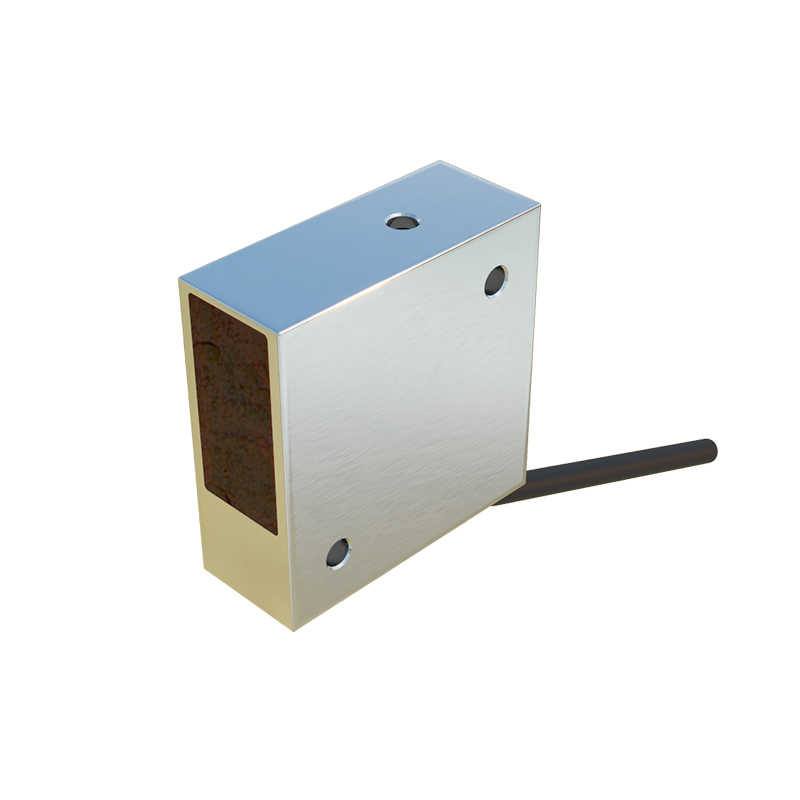
The optimal performance of a U-shaped photoelectric sensor heavily relies on its配套 accessories. Key components include mounting brackets, alignment tools, protective lenses, and connecting cables. Mounting brackets ensure precise and stable installation, maintaining the critical alignment between the emitter and receiver. Misalignment is a primary cause of sensor failure, so robust brackets are vital. Alignment tools, such as laser pointers or visual indicators built into some models, simplify the initial setup and periodic verification. Protective lenses, often made from polycarbonate or glass, shield the optical elements from dust, moisture, oil, and physical impact, extending the sensor's operational life in harsh industrial environments. High-quality, shielded connecting cables with appropriate IP ratings are crucial for maintaining signal integrity and protecting against electromagnetic interference (EMI) in electrically noisy plants.
Specialized Lenses and Filters
Beyond standard protection, specialized optical accessories enhance sensor capability. Polarizing filters can be added to eliminate false triggers caused by reflections from shiny surfaces. For applications involving detection of transparent objects, like glass or clear plastic, sensors may use lenses that focus a precise beam or employ specific light frequencies for better absorption contrast. Some advanced setups utilize fiber optic cables as light guides, connected to the sensor's main unit. These cables allow the sensing point to be placed in tight, hot, or hazardous locations where the main sensor body cannot fit, providing immense design flexibility. Choosing the correct lens or filter is essential for solving challenging detection tasks.
Amplifiers and Control Units
While the sensor head performs the detection, signal processing accessories are equally important. External amplifiers or controller units are often used to condition the sensor's output signal. They provide functions like adjustable sensitivity, time delays (on-delay, off-delay), one-shot pulse output, and logic operations (AND, OR). These units convert the basic switch signal into a more robust and programmable output compatible with PLCs (Programmable Logic Controllers) and other control systems. For high-speed counting or precise positioning applications, amplifiers with fast response times and high-resolution capabilities are critical accessories that unlock the full potential of the photoelectric sensor.
Environmental Protection and Mounting Solutions
Industrial environments pose significant threats to sensitive electronics. Therefore, a range of protective accessories is available. These include fully enclosed housings or sleeves that provide a higher Ingress Protection (IP) rating than the sensor alone, safeguarding against washdowns, heavy dust, and corrosive chemicals. Special mounting brackets made from stainless steel are used in food processing or pharmaceutical industries where hygiene and corrosion resistance are paramount. Additionally, sunshades or hoods can be attached to prevent ambient light from sunlight or high-intensity factory lamps from saturating the receiver and causing malfunction, ensuring stable operation.
Maintenance and Calibration Tools
To ensure long-term reliability and accuracy, maintenance accessories are vital. Cleaning kits with lint-free wipes and approved solvents help keep optical surfaces clear of contamination. Alignment jigs and test targets provide a repeatable method for verifying sensor alignment and performance during preventive maintenance schedules. Some sophisticated systems offer remote diagnostics and monitoring accessories that connect to plant networks, providing real-time data on sensor health and performance, enabling predictive maintenance and minimizing unplanned downtime.
Selecting the Right Accessories
Selecting the appropriate accessories is not an afterthought but an integral part of sensor system design. Engineers must consider the application's specific requirements: the size and type of target object, required sensing distance, environmental conditions (temperature, humidity, contaminants), electrical noise levels, and necessary response speed. Consulting the sensor manufacturer's technical documentation is crucial, as accessories are often designed for specific sensor models or series. Using incompatible or substandard accessories can compromise the entire sensing system's reliability, leading to production errors and safety risks. Investing in high-quality, compatible accessories ensures optimal performance, durability, and a strong return on investment.
Conclusion and Industry Outlook
U-shaped photoelectric sensors are workhorses of automation, and their effectiveness is multiplied by the correct use of accessories. From basic protection to advanced signal processing, these components tailor a standard sensor to meet exact application demands. As Industry 4.0 and smart manufacturing evolve, accessories are becoming smarter, with integrated IO-Link communication capabilities that provide detailed parameterization and diagnostic data directly to control systems. Understanding and utilizing the full ecosystem of U-shaped photoelectric sensor accessories is key for engineers to build robust, efficient, and future-proof automated systems that drive productivity and innovation in the industrial landscape.