Understanding Short Proximity Sensors
Short proximity sensors, often referred to as short-range inductive or capacitive sensors, are critical components in modern industrial automation. These devices detect the presence or absence of metallic or non-metallic objects within a very limited range, typically from a few millimeters up to about 15 millimeters. Their compact design and high precision make them indispensable in applications where space is constrained and accuracy is paramount, such as in robotic assembly lines, packaging machinery, and precision manufacturing equipment. Unlike standard proximity sensors, short variants are engineered to operate effectively at minimal distances, providing reliable feedback without physical contact, thereby reducing wear and tear and maintenance costs. The technology behind these sensors involves generating an electromagnetic or electrostatic field; when an object disrupts this field, the sensor triggers a signal to the control system. This allows for seamless integration into automated processes, enhancing efficiency and safety. Industries ranging from automotive to electronics rely on these sensors for tasks like position verification, counting, and quality control, underscoring their versatility in diverse operational environments.
Key Features of High-Quality Short Proximity Sensors
When selecting short proximity sensors, several features determine their performance and suitability for specific applications. First, sensing range and repeat accuracy are crucial; top-tier sensors offer consistent detection within tight tolerances, ensuring reliable operation in high-speed production lines. The housing material, often stainless steel or nickel-plated brass, provides durability against harsh conditions like moisture, dust, and chemical exposure. Additionally, output types—such as NPN, PNP, or analog—allow compatibility with various control systems, while built-in diagnostics and LED indicators facilitate easy troubleshooting. Another important aspect is the operating frequency, which affects response time; faster sensors can handle rapid object detection, minimizing downtime. Environmental ratings, like IP67 or IP69K, indicate resistance to water and dust, making them suitable for washdown areas in food processing or pharmaceutical industries. Suppliers that prioritize innovation may incorporate advanced features like temperature compensation and noise immunity, further enhancing stability in fluctuating industrial settings. By focusing on these attributes, engineers can ensure optimal sensor selection that meets both technical and operational demands.
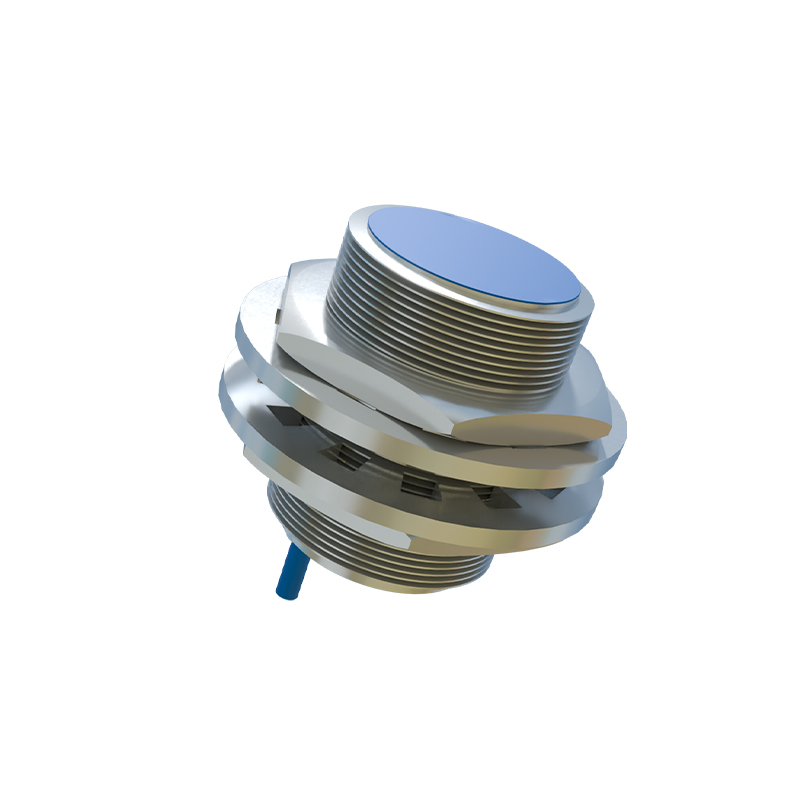
Evaluating Short Proximity Sensor Suppliers
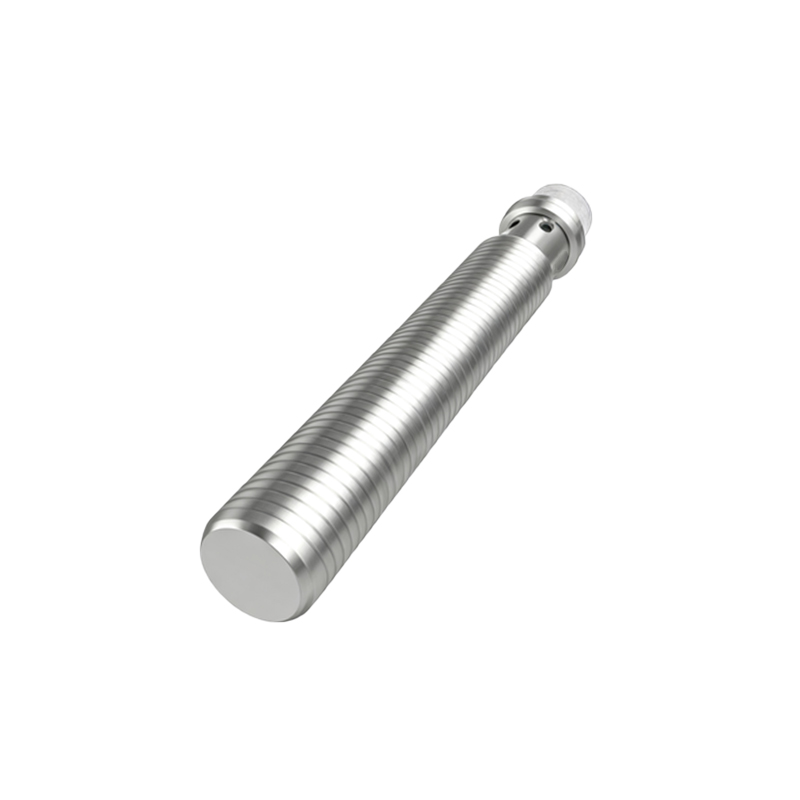
Choosing the right supplier for short proximity sensors involves a thorough assessment of multiple factors beyond product specifications. Reputable suppliers typically have a proven track record in the industrial sector, offering extensive product lines that cater to diverse needs, from standard inductive sensors to specialized capacitive models for non-metallic detection. Technical support and customization services are vital; suppliers should provide detailed datasheets, application guidance, and engineering assistance to help integrate sensors into complex systems. Lead times and logistics capabilities also play a role, as timely delivery minimizes production disruptions. It's advisable to review supplier certifications, such as ISO 9001, which ensure quality management standards, and check for compliance with industry-specific regulations like those in automotive (IATF 16949) or hazardous environments (ATEX). Additionally, consider the supplier's global presence and local distribution networks, as this affects after-sales service and part availability. Customer testimonials and case studies can offer insights into real-world performance, while competitive pricing and warranty terms contribute to long-term value. By conducting a comprehensive evaluation, businesses can partner with suppliers that deliver reliability, innovation, and cost-effectiveness.
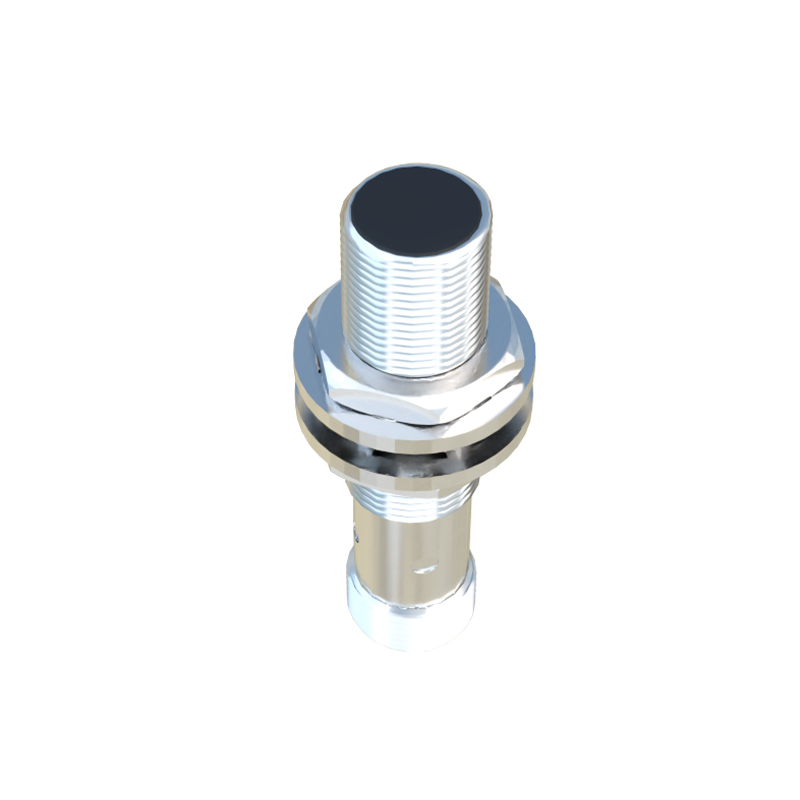
Applications Across Industrial Sectors
Short proximity sensors find applications in numerous industries, each leveraging their precision and compactness for enhanced automation. In the automotive sector, they are used for part positioning in engine assembly, brake system monitoring, and robotic welding, where exact alignment is critical for safety and efficiency. The electronics industry employs these sensors for PCB board detection, component insertion, and conveyor belt tracking, ensuring high-speed production without errors. In packaging and labeling, sensors verify container presence, cap placement, and fill levels, reducing waste and improving throughput. Food and beverage applications include bottle cap detection and packaging seal checks, often requiring sensors with hygienic designs that withstand frequent cleaning. Pharmaceutical manufacturing relies on them for pill counting and blister pack verification, where accuracy is non-negotiable for compliance. Moreover, in material handling and logistics, sensors assist in sorting systems and automated guided vehicles (AGVs), optimizing warehouse operations. The adaptability of short proximity sensors to various materials—metals, plastics, liquids—makes them a versatile solution, driving innovation and productivity across sectors.
Future Trends and Supplier Innovations
The market for short proximity sensors is evolving with advancements in technology and increasing demand for smart manufacturing. Suppliers are focusing on miniaturization, developing even smaller sensors with enhanced sensing capabilities to fit into compact IoT devices and wearable industrial tools. Integration with Industry 4.0 is a key trend, where sensors are equipped with IO-Link or Ethernet connectivity