Introduction to Capacitive Proximity Sensors
Capacitive proximity sensors are versatile devices widely used in industrial automation for detecting objects without physical contact. Unlike inductive sensors that only sense metals, capacitive sensors can detect a variety of materials, including liquids, plastics, and granular substances. They operate based on changes in capacitance, which occurs when an object enters the sensor's electrostatic field. This technology is particularly valuable in applications requiring sensitivity to non-metallic targets or where environmental factors like dust or moisture are present. The side-sensing variant, specifically, offers unique advantages in space-constrained installations, allowing for lateral detection that optimizes machine design and efficiency.
Principles of Side-Sensing Operation
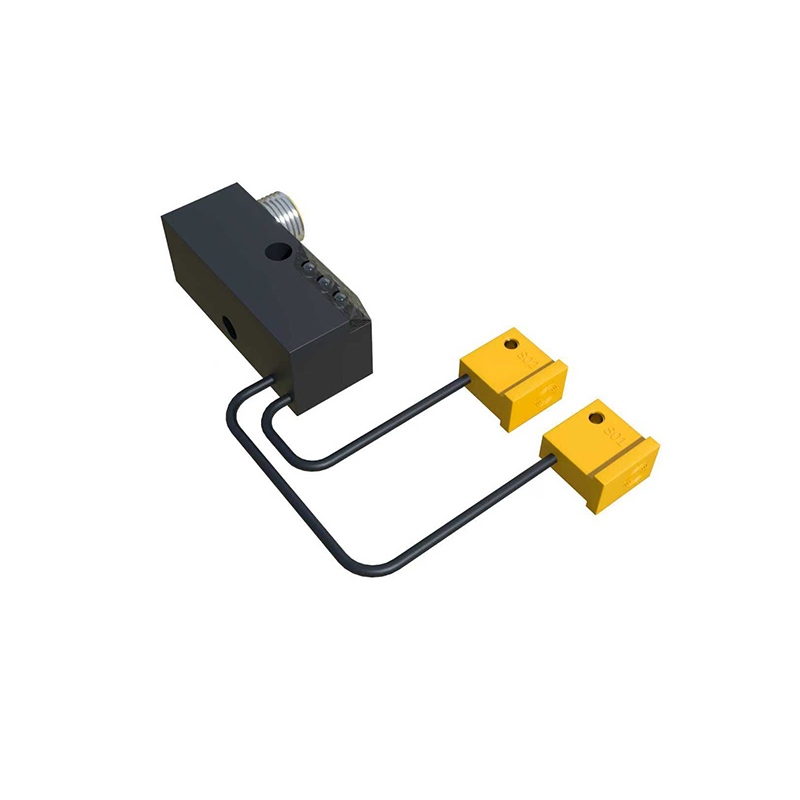
Side-sensing capacitive proximity sensors function by generating an electrostatic field from the side of the device, rather than the front. This field extends laterally, enabling detection of objects approaching from the side. When a target enters this field, it alters the dielectric constant, causing a change in capacitance. The sensor's internal circuitry monitors this change and triggers an output signal when a preset threshold is reached. Key parameters influencing performance include the sensor's sensing range, typically ranging from a few millimeters to several centimeters, and the material properties of the target, such as conductivity and permittivity. Side-sensing models are often designed with shielded or unshielded configurations, with shielded types providing more focused fields to reduce interference from adjacent surfaces.
Design and Construction Features
The construction of side-sensing capacitive sensors involves robust housing materials like PBT or stainless steel to withstand harsh industrial environments. Internally, they consist of an oscillator circuit, a sensing electrode positioned along the side, and signal conditioning components. The electrode design is critical for directing the electrostatic field laterally, ensuring reliable detection. Many models incorporate adjustable sensitivity potentiometers, allowing users to fine-tune the sensor for specific applications, such as detecting low-density materials or ignoring background objects. Additionally, features like IP67 or IP69K ratings provide protection against water and dust ingress, making them suitable for washdown areas in food processing or pharmaceutical industries.
Applications in Industrial Settings
Side-sensing capacitive sensors find extensive use across various sectors due to their flexibility. In packaging lines, they detect plastic bottles or cardboard boxes from the side, ensuring proper alignment and counting. In liquid handling systems, they monitor fluid levels in non-metallic tanks by sensing the liquid through container walls. Agricultural equipment employs these sensors to detect grain or seed flow in silos, preventing blockages. Their ability to sense through non-conductive barriers also makes them ideal for safety applications, such as presence detection in automated machinery, where they help prevent accidents by monitoring access points. Case studies show that integrating side-sensing sensors can reduce downtime by up to 20% in material handling processes.
Advantages Over Other Sensor Types
Compared to inductive or photoelectric sensors, side-sensing capacitive sensors offer distinct benefits. They are material-agnostic, capable of detecting both conductive and non-conductive objects, which expands their utility in diverse environments. Their lateral sensing orientation allows for installation in tight spaces where front-facing sensors might not fit, enhancing design flexibility. Moreover, they are less affected by environmental conditions like ambient light or color variations, which can challenge photoelectric sensors. However, they may have limitations in sensing range and sensitivity to temperature fluctuations, so proper selection based on application requirements is essential. For instance, in high-humidity areas, capacitive sensors may require calibration to avoid false triggers.
Installation and Calibration Best Practices
To maximize performance, install side-sensing capacitive sensors with adequate clearance from metal surfaces or other sensors to prevent electromagnetic interference. Mount them securely using brackets or threaded fittings, ensuring the sensing side faces the target area without obstructions. During calibration, adjust the sensitivity setting gradually while testing with the actual target material. Start with a low sensitivity and increase until consistent detection is achieved, avoiding over-sensitivity that might cause false alarms from background objects. Regular maintenance, such as cleaning the sensing surface to remove contaminants like oil or dust, is recommended to sustain accuracy. For complex setups, consult manufacturer guidelines to optimize sensor placement and wiring.
Future Trends and Innovations
The future of side-sensing capacitive sensors is driven by advancements in miniaturization and smart technology. Emerging trends include the integration of IoT capabilities, enabling real-time monitoring and predictive maintenance through data analytics. Sensors with embedded microprocessors can now self-adjust sensitivity based on environmental changes, improving reliability. Additionally, developments in materials science are leading to more durable electrodes with extended lifespans. As Industry 4.0 evolves, these sensors will play a crucial role