In the realm of industrial automation and smart systems, the role of quality proximity sensors is paramount. These devices, designed to detect the presence or absence of objects without physical contact, have evolved significantly, offering enhanced precision, durability, and adaptability. Unlike basic sensors, high-quality proximity sensors integrate advanced materials and sophisticated electronics to ensure consistent performance in demanding environments, from manufacturing floors to automotive assembly lines.
The core technology behind these sensors often involves inductive, capacitive, or photoelectric principles. Inductive sensors, for instance, excel in detecting metallic objects by generating an electromagnetic field, while capacitive variants can sense both metallic and non-metallic materials based on changes in capacitance. Photoelectric sensors use light beams to identify objects, providing versatility for diverse applications. What distinguishes quality sensors is their ability to maintain accuracy despite external factors like temperature fluctuations, electromagnetic interference, or contamination. Engineers prioritize robust housing, such as stainless steel or rugged polymers, to shield internal components from dust, moisture, and mechanical stress, thereby extending operational lifespans.
In practical terms, the benefits of deploying quality proximity sensors are multifaceted. They contribute to improved safety by enabling non-contact detection in hazardous areas, reducing the risk of accidents. Efficiency gains are another key advantage, as these sensors facilitate faster response times and seamless integration with control systems like PLCs (Programmable Logic Controllers). For example, in packaging industries, sensors ensure precise positioning of items on conveyor belts, minimizing waste and optimizing throughput. Automotive manufacturers rely on them for robotic welding and assembly, where millimeter-level accuracy is critical to product integrity.
Moreover, the advent of Industry 4.0 has spurred innovation in sensor technology. Modern quality proximity sensors often feature IoT connectivity, allowing real-time data transmission for predictive maintenance and system analytics. This connectivity helps prevent downtime by alerting operators to potential failures before they occur, thus enhancing overall productivity. Customization options, such as adjustable sensing ranges or output configurations (e.g., analog or digital signals), further tailor sensors to specific operational needs, making them indispensable in sectors like aerospace, pharmaceuticals, and consumer electronics.
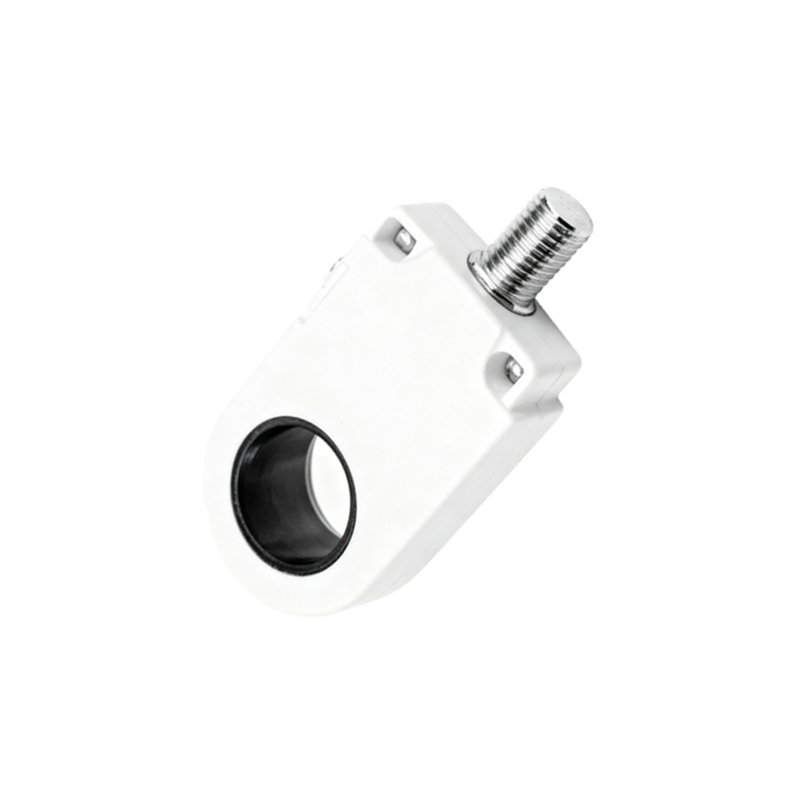
When selecting a proximity sensor, quality considerations extend beyond mere specifications. Factors like certification standards (e.g., IP ratings for ingress protection), long-term reliability, and manufacturer support play crucial roles. Reputable brands invest in rigorous testing, including endurance cycles and environmental simulations, to guarantee performance under extreme conditions. Users should assess application requirements thoroughly—such as target material, sensing distance, and installation constraints—to choose sensors that align with both technical and budgetary goals.
In conclusion, quality proximity sensors represent a cornerstone of modern automation, driving advancements in precision, safety, and efficiency. As technology progresses, their integration with smart systems will continue to expand, offering new possibilities for optimized industrial processes. By prioritizing high-grade components and innovative design, these sensors not only meet current demands but also pave the way for future innovations in automated and interconnected environments.