Introduction to BNC Interface Photoelectric Sensors
Photoelectric sensors equipped with BNC interfaces represent a critical category of industrial sensing devices, widely utilized for object detection, positioning, and counting across automated production lines. The BNC connector, an acronym for Bayonet Neill–Concelman, provides a robust and reliable coaxial connection, ensuring stable signal transmission in environments susceptible to electrical noise. These sensors operate on the principle of emitting a light beam—typically infrared, visible red, or laser—and detecting changes in the received light intensity caused by the presence or absence of a target object. The integration of the BNC interface facilitates quick installation and secure connectivity, making these sensors a preferred choice in applications demanding high-frequency response and precision.
Core Operational Principles and Sensing Modes
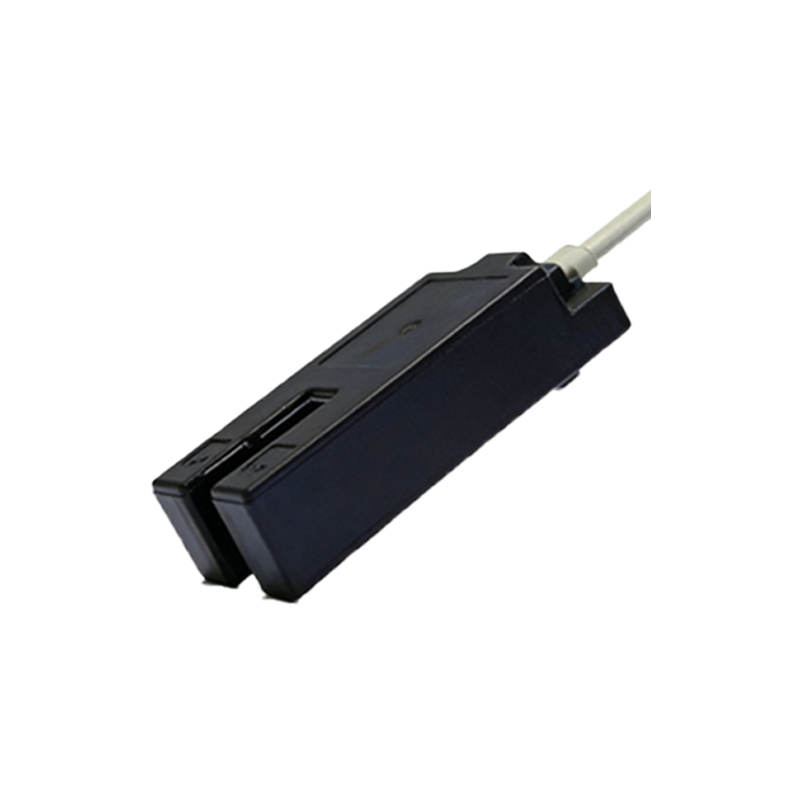
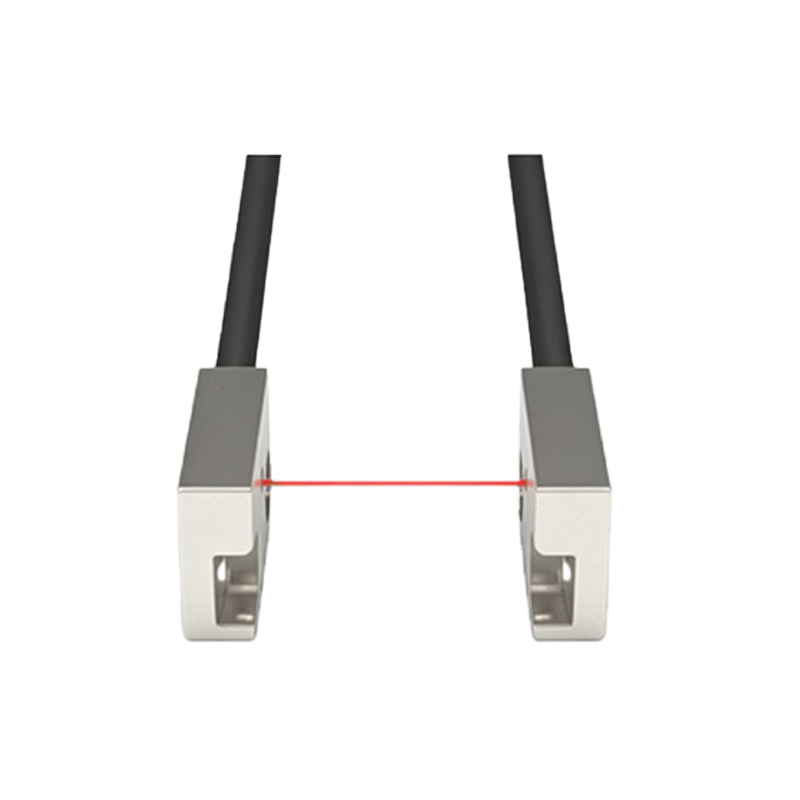
The fundamental operation involves three primary sensing modes: through-beam, retro-reflective, and diffuse reflective. In through-beam mode, the emitter and receiver are separate units; an object is detected when it interrupts the light beam. This mode offers the longest sensing range and highest reliability. Retro-reflective mode employs a single housing containing both emitter and receiver, using a reflector to bounce the light back. Detection occurs when the target obstructs the beam. Diffuse reflective mode, also with a combined emitter and receiver, detects objects based on the light reflected directly from the target's surface. The BNC interface in these sensors typically carries the digital output signal (e.g., NPN or PNP switching signal) or, in some analog variants, a voltage or current proportional to the sensed parameter.
Key Advantages of the BNC Connection in Industrial Settings
The BNC connector's bayonet coupling mechanism ensures a vibration-resistant and secure connection, crucial in high-motion machinery. Its characteristic impedance, commonly 50 or 75 ohms, is well-suited for transmitting digital pulse signals from photoelectric sensors with minimal signal degradation over short to medium cable runs. This interface provides superior noise immunity compared to standard terminal block connections, effectively shielding against electromagnetic interference (EMI) prevalent in industrial plants with motors and variable frequency drives. The quick-connect/disconnect feature significantly reduces maintenance and replacement downtime, enhancing overall system availability.
Typical Applications and Industry Use Cases
BNC interface photoelectric sensors are indispensable in numerous sectors. In packaging machinery, they precisely detect labels, fill levels, and product presence on high-speed conveyors. Automotive assembly lines employ them for part verification and robot guidance. Within the electronics industry, these sensors facilitate precise component placement on printed circuit boards. Their fast response time, enabled by the efficient BNC signal path, is critical in counting and sorting applications in logistics and material handling. Furthermore, they are often integrated into quality control systems to inspect for object presence, orientation, or color marks, where reliable signal integrity is non-negotiable.
Selection Criteria and Installation Best Practices
Selecting an appropriate sensor requires evaluating factors such as sensing range, target material, size, and surface properties. The required output type (e.g., light-on/dark-on) and electrical compatibility (sourcing vs. sinking) with the controller must be confirmed. When implementing BNC-connected sensors, it is vital to use quality coaxial cables with proper impedance matching to prevent signal reflections. Cables should be routed away from high-power lines to avoid inductive coupling. The connector should be firmly seated and locked with a quarter-turn to ensure optimal electrical contact. Regular inspection for connector wear, cable damage, and lens cleanliness is essential for sustained, reliable operation.
Troubleshooting Common Issues and Maintenance
Common operational challenges include false triggering, failure to detect, or unstable output. These often stem from optical issues like dirty lenses, misalignment, or unsuitable target reflectivity. Electrical problems may involve faulty BNC terminations, damaged cables, or power supply irregularities. A systematic approach involves verifying the sensor's power, inspecting the optical path for obstructions, and cleaning the lens. Using an oscilloscope to monitor the signal quality at the BNC output can reveal noise or signal attenuation issues. Preventive maintenance schedules should include periodic checks of the mechanical integrity of the BNC connection and the condition of the mating connector on the receiving equipment.
Future Trends and Technological Evolution
The evolution of photoelectric sensors continues toward miniaturization, enhanced intelligence, and network integration. While traditional BNC interfaces remain prevalent for analog and high-speed digital I/O, newer sensor designs are incorporating industrial Ethernet and IO-Link interfaces for advanced diagnostics and parameterization. However, the BNC connector's simplicity, robustness, and performance for straightforward switching applications ensure its enduring relevance. Future sensors may feature hybrid connectors or embedded signal conditioning that maintains compatibility with legacy BNC-based systems while offering pathways for digital communication, balancing reliability with the demands of Industry 4.0 connectivity.