Understanding Intermittent Proximity Sensor Behavior
In industrial automation, the sporadic failure of a proximity sensor is a notorious issue that can cripple production efficiency and compromise system safety. Unlike a complete, permanent failure, an intermittent problem is characterized by the sensor working correctly for a period, then failing to detect a target, only to resume normal operation later without any apparent intervention. This erratic behavior is often more challenging to diagnose than a straightforward breakdown. The sensor may seem to have a "mind of its own," leading to random machine stoppages, defective products, or unsafe conditions. For electrical engineers and maintenance technicians, understanding the root causes of these intermittent faults is the first critical step toward implementing a reliable, long-term solution. The complexity arises from the interplay between the sensor's internal electronics, its physical installation, and the often harsh electrical and environmental conditions of the industrial setting.
Primary Electrical and Environmental Causes
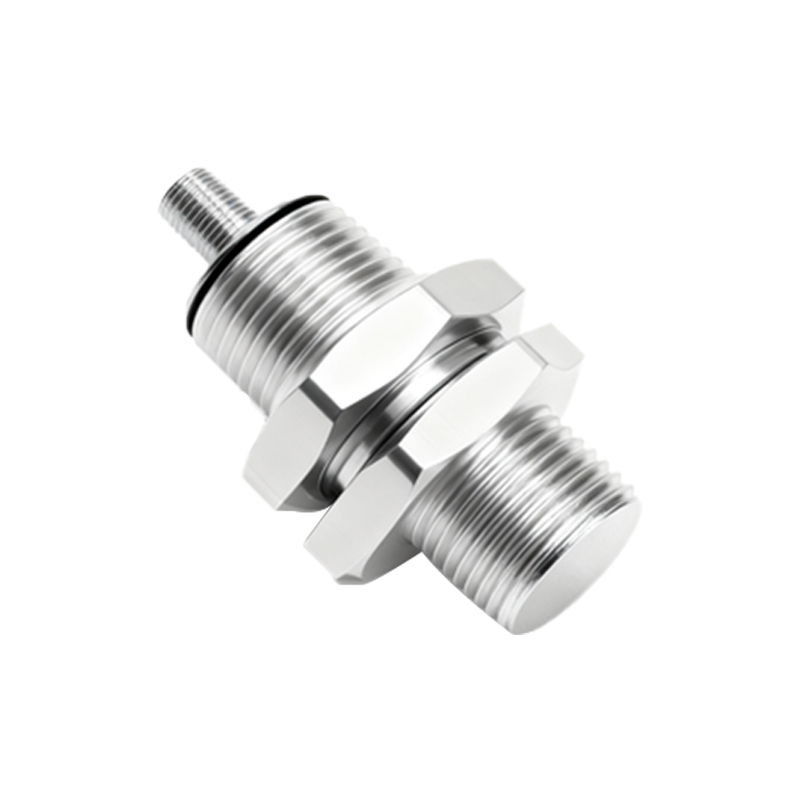
A significant portion of intermittent failures stems from electrical noise and environmental factors. Electromagnetic interference (EMI) from nearby high-power equipment like variable frequency drives (VFDs), welding machines, or large motors can induce spurious signals in the sensor or its cabling. This noise can cause the sensor to trigger falsely or fail to trigger when it should. Similarly, voltage fluctuations or sags in the plant's power supply can momentarily drop below the sensor's minimum operating voltage, causing a temporary loss of function. Environmentally, contamination is a major culprit. Metallic dust, conductive chips, or a buildup of non-conductive material like oil or coolant on the sensor's face can attenuate or block the sensing field. Temperature extremes can also be a factor; operating near the limits of the sensor's specified temperature range can cause components to drift or behave unpredictably, especially during thermal cycling as machinery starts and stops.
Mechanical and Installation-Related Issues
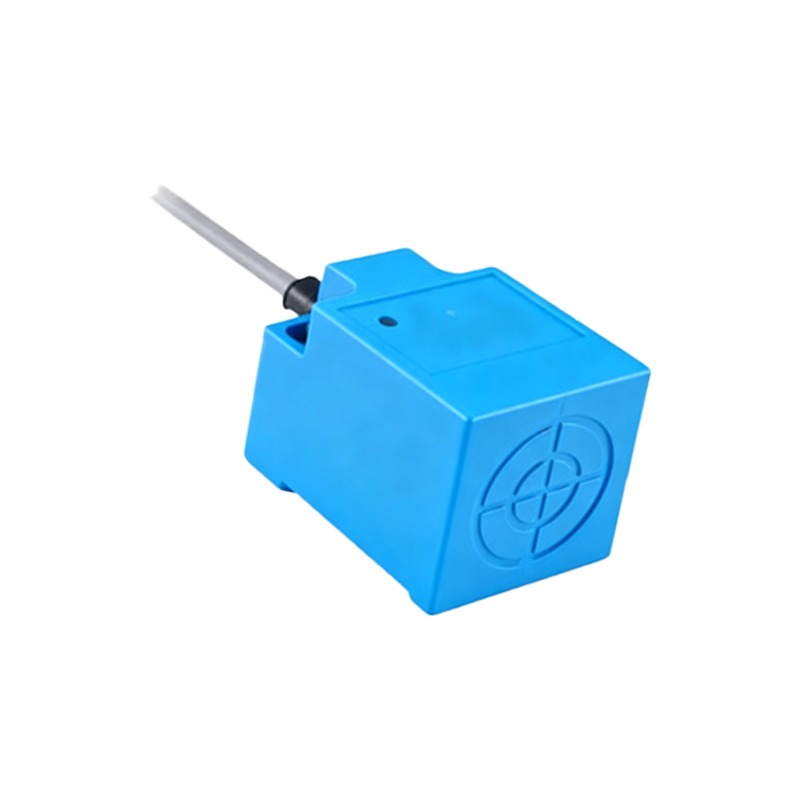
Improper mechanical installation is a frequent source of intermittent problems. Vibration from the host machine can gradually loosen the sensor's mounting hardware or its connector, leading to an unreliable electrical connection. Even slight movement can change the critical sensing distance, causing missed detections. Misalignment between the sensor and its target is another common issue. If the target does not pass consistently through the sensor's effective sensing field due to mechanical play in actuators or fixtures, the output will be erratic. Furthermore, using an incorrect sensor type for the application can cause intermittent behavior. For instance, a standard inductive sensor might struggle to reliably detect a small or thin target at its maximum rated distance, working only when conditions are perfect. Mechanical shock or physical damage to the sensor housing, though not always visible, can also create internal intermittent connections.
Cable and Connection Faults
The cabling connecting the sensor to the controller is a vulnerable point often overlooked. Intermittent breaks within the cable insulation, often due to constant flexing, crushing, or abrasion against sharp edges, can cause open or short circuits that come and go with movement. Similarly, corrosion or looseness in the connector pins, either at the sensor head or the junction box, creates high-resistance connections that are sensitive to vibration and temperature. In systems using shielded cables for noise immunity, an improper shield termination—such as grounding at both ends, which can create ground loops—can actually introduce noise rather than prevent it, leading to confusing intermittent faults. Tugging on cables during routine maintenance can momentarily "fix" a poor connection, masking the true problem until it fails again.
Diagnostic Approach and Troubleshooting Steps
A systematic approach is essential for diagnosing intermittent sensor faults. Begin with a visual inspection of the sensor, its mounting, alignment, and cabling for obvious signs of damage, looseness, or contamination. Next, monitor the sensor's output signal using a digital multimeter with a Min/Max function or, preferably, an oscilloscope. An oscilloscope can capture transient events like voltage sags or electrical noise spikes that a meter might miss. If possible, temporarily replace the suspect sensor with a known-good unit to see if the problem follows the sensor or remains with the machine. Log environmental conditions such as temperature and the operation of nearby high-noise equipment when failures occur. Checking the actual power supply voltage at the sensor terminals during a fault event is also crucial. Many modern programmable logic controllers (PLCs) have diagnostic capabilities that can log sensor state changes with timestamps, which can be invaluable for correlating faults with other machine events.
Effective Solutions and Preventive Measures
Once the root cause is identified, targeted solutions can be applied. To combat electrical noise, ensure proper grounding practices, use shielded cables with the shield grounded at only one end (typically the control panel end), and physically separate sensor cables from