In the realm of modern electronics, a silent revolution is taking place right under our fingertips—or more accurately, just millimeters away from them. Proximity and micro-motion sensors, though often unnoticed, are fundamental components that enable the intuitive and seamless interaction we have come to expect from our smartphones, tablets, laptops, and a growing array of smart devices. These sensors work not through grand gestures but through the detection of subtle presences and minute movements, acting as the digital world's delicate sense of touch.
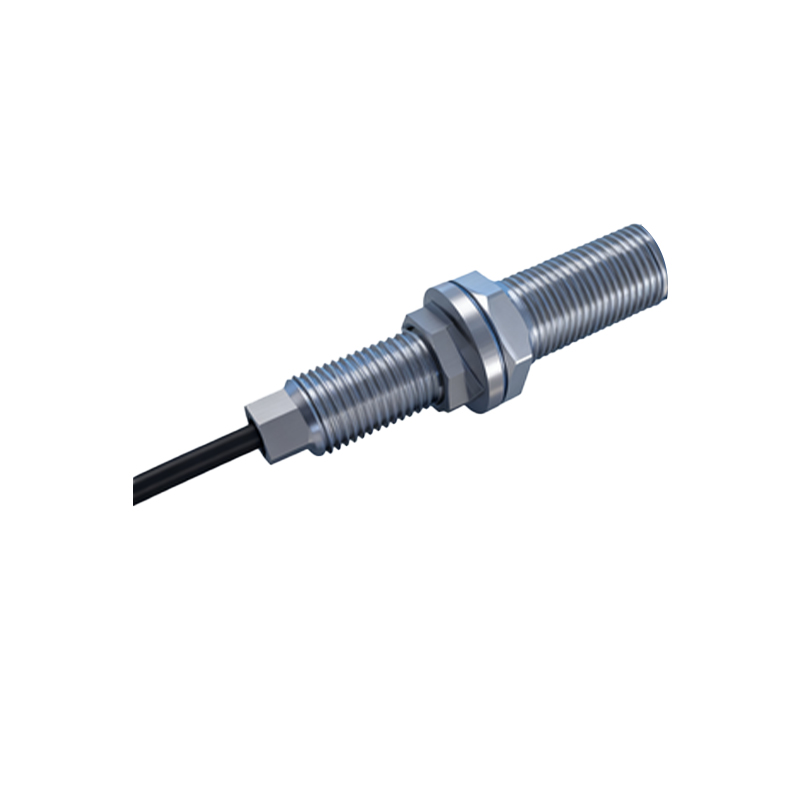
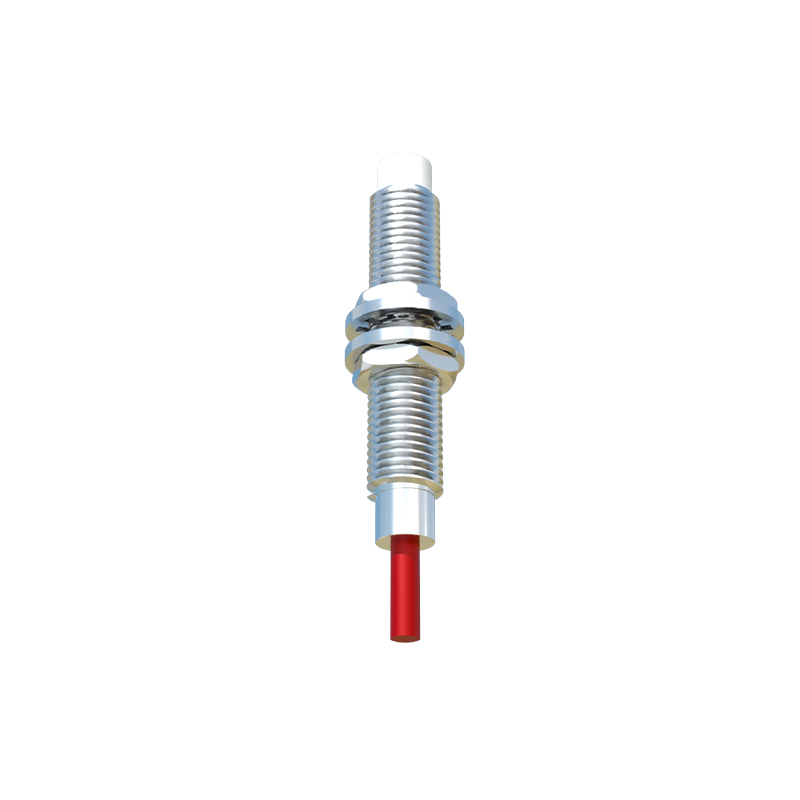
A proximity sensor is essentially a device that detects the presence or absence of a nearby object without any physical contact. The most common type found in consumer electronics is the infrared (IR) proximity sensor. It typically consists of an IR LED that emits an invisible infrared light beam and a photodiode or phototransistor that senses the reflected light. When an object, like your face during a phone call, comes close to the sensor, the infrared light reflects back. The sensor detects this change in reflection intensity and signals the processor to take an action—such as turning off the smartphone's display to prevent accidental touch inputs and save battery life. This is why your screen goes dark when you hold the phone to your ear. Other technologies, like capacitive and ultrasonic sensors, also serve proximity functions, often chosen based on required range, accuracy, and environmental factors.
Micro-motion sensors, on the other hand, deal with detecting extremely small-scale movements or vibrations. While accelerometers and gyroscopes are well-known for detecting orientation and large motions, micro-motion sensing often involves more specialized or highly sensitive versions of these, or entirely different principles like piezoelectric sensing. These sensors can detect vibrations so slight they might be imperceptible to humans. Their applications are vast and expanding. In smartphones, they can enhance image stabilization in cameras by countering hand tremors. In industrial settings, they are crucial for predictive maintenance, monitoring the subtle vibrational signatures of machinery to identify wear and tear before a catastrophic failure occurs. In the world of wearable health tech, micro-motion sensors can track minute physiological signals, such as the pulse wave in a wrist or the vibrations of vocal cords, enabling new forms of passive health monitoring.
The convergence of proximity and micro-motion sensing is where even more intelligent functionality emerges. Consider a modern laptop. A suite of these sensors can work in concert: a proximity sensor detects a user approaching, waking the device from sleep. Simultaneously, micro-motion sensors can ensure the device remains secure; if unexpected movement is detected (like someone picking it up unauthorized), it can trigger an alarm or a lock. In smart home hubs, a proximity sensor might activate an interface as you walk near, while micro-motion sensors could listen for specific sound patterns or vibrations, like the sound of breaking glass, for security purposes.
The design and integration challenges for these sensors are significant. They must be incredibly small, power-efficient, and reliable. Engineers must shield them from environmental interference such as ambient light (for IR sensors) or electromagnetic noise. Software algorithms are just as critical as the hardware; they must intelligently interpret the raw sensor data, distinguishing between a deliberate gesture and random environmental noise. For instance, differentiating between a user intentionally waving a hand over a sensor to scroll and random air currents is a complex task handled by sophisticated firmware.
Looking forward, the trajectory for these technologies points toward even greater miniaturization, integration, and contextual awareness. Future sensors will likely be more multi-modal, combining proximity, micro-motion, and other sensing capabilities into single, ultra-low-power chips. They will be embedded in more aspects of our environment, from clothing to furniture, creating an ambient interactive landscape. As Artificial Intelligence and machine learning advance, these sensors will provide the continuous, low-level data streams needed for systems to understand and anticipate user behavior and environmental states with unprecedented subtlety.
In conclusion, proximity and micro-motion sensors represent a critical layer of the human-device interface. They operate in the background, translating the faintest physical cues—a nearby presence, a tiny tremor—into actionable digital commands. By handling these mundane yet essential tasks, they free us to interact with technology in more natural and fluid ways. Their continued evolution is not about making them seen, but about making them more perceptive, ensuring our technology understands not just our direct commands, but also the quiet context of our presence and actions.