Introduction to Honeywell Photoelectric Sensing Technology
Honeywell Sensing and Productivity Solutions is a globally recognized leader in the development and manufacturing of high-performance sensing technologies. Among their extensive portfolio, Honeywell photoelectric sensors stand out for their reliability, precision, and versatility in solving complex industrial automation challenges. These sensors operate on the principle of emitting a light beam, typically from an LED or laser diode, and detecting changes in the received light intensity caused by the presence, absence, or distance of a target object. This non-contact detection method makes them ideal for a vast array of applications, from simple object counting on conveyor belts to precise positioning in robotic assembly cells. The robustness of their design ensures consistent operation even in demanding environments characterized by dust, vibration, or variable ambient light conditions.
Core Operating Principles and Sensing Modes

Honeywell photoelectric sensors are available in several primary sensing modes, each tailored for specific application requirements. The through-beam, or opposed-mode, sensor consists of separate emitter and receiver units. The emitter projects a continuous beam to the receiver; an object is detected when it interrupts this beam. This mode offers the longest sensing range and highest reliability. Retro-reflective sensors house both emitter and receiver in a single housing, using a reflector to bounce the light beam back. Detection occurs when an object breaks the beam path. For applications where space is constrained or where the target object itself can reflect light, diffuse-mode sensors are employed. Here, the emitter and receiver are co-located, and the sensor detects light scattered back from the target. Advanced versions, like background suppression and true background suppression sensors, use triangulation to detect objects only within a precise, defined range, ignoring objects beyond it.
Key Features and Technological Advantages
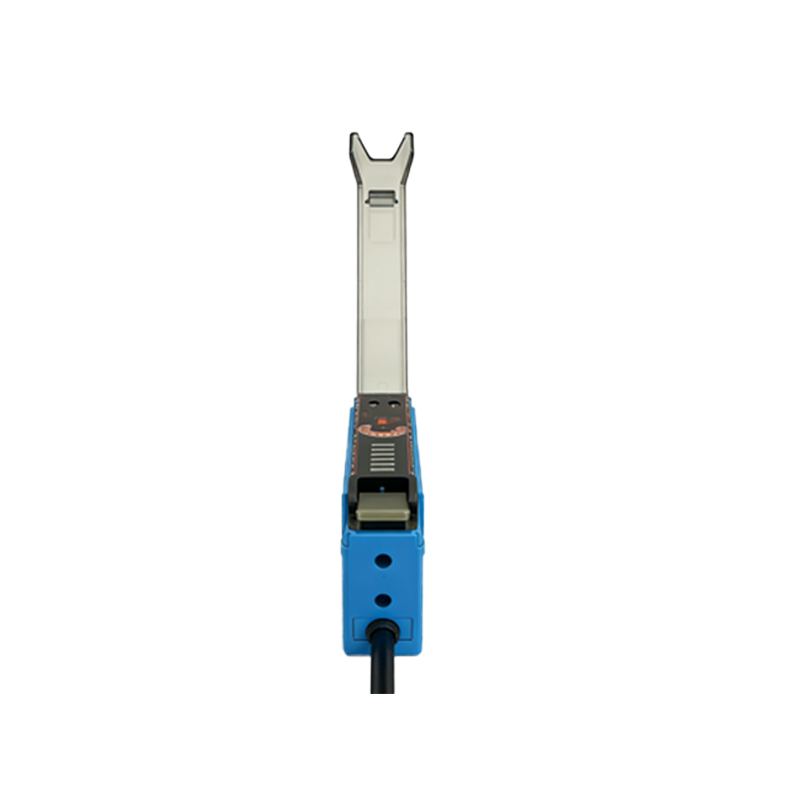
Honeywell integrates several advanced features into its photoelectric sensor lines to enhance performance and ease of use. Many models feature patented technology for superior immunity to ambient light, preventing false triggers from sunlight or factory lighting. They offer a wide range of sensing distances, from a few millimeters to several tens of meters. Housing designs are robust, often meeting IP67 or IP69K ratings for protection against water and dust ingress, which is critical in food processing or washdown environments. Electrical output options are diverse, including NPN, PNP, analog, and IO-Link digital communication. IO-Link capability, in particular, allows for remote configuration, real-time diagnostics, and process data monitoring, enabling predictive maintenance and seamless integration into Industry 4.0 and smart factory frameworks.
Application Spectrum Across Industries
The application of Honeywell photoelectric sensors spans virtually every industrial sector. In packaging and material handling, they are indispensable for detecting boxes, bottles, and labels on high-speed production lines, ensuring proper filling levels and guiding robotic pick-and-place systems. Within the automotive industry, these sensors provide precise part verification and positioning during assembly processes. In the electronics sector, they facilitate the detection of tiny components on printed circuit boards. Furthermore, their rugged construction makes them suitable for harsh outdoor applications in agriculture and forestry, such as vehicle detection or level sensing in silos. The food and beverage industry relies on their hygienic, washdown-ready designs for sanitation compliance.
Selection Criteria and Installation Best Practices
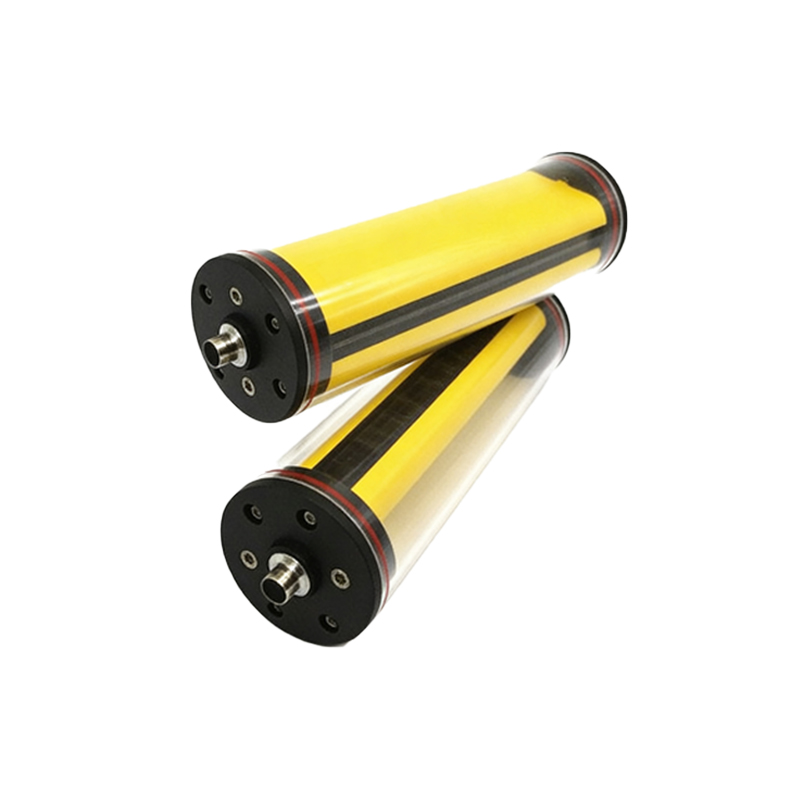
Selecting the appropriate Honeywell photoelectric sensor requires a careful analysis of the application parameters. Engineers must consider the target object's properties (size, color, material, surface finish), the required sensing distance, the environmental conditions (temperature, presence of contaminants), and the necessary electrical interface. For instance, detecting a clear glass bottle requires a different sensor mode than detecting an opaque metal part. During installation, proper alignment is crucial for through-beam and retro-reflective models. Mounting the sensor securely to minimize vibration, ensuring a clean lens free of debris, and avoiding optical interference from highly reflective surfaces nearby are all critical steps for optimal, long-term performance. Utilizing adjustable mounting brackets and sensors with visible or laser spot beams can significantly simplify alignment.
Conclusion and Future Outlook
Honeywell photoelectric sensors represent a cornerstone of modern industrial automation, offering a blend of proven reliability and cutting-edge features like digital connectivity. Their ability to provide accurate, non-contact detection in challenging conditions translates directly into increased productivity, improved quality control, and reduced machine downtime. As industries continue to evolve towards greater connectivity and data-driven operations, the role of intelligent sensors like those from Honeywell will only expand. Future developments are likely to focus on even smaller form factors, enhanced sensing algorithms for difficult-to-detect objects, and deeper integration with industrial IoT platforms, further solidifying their position as essential components in the automated factory of the future.