Introduction to Photoelectric Sensors in Escalators
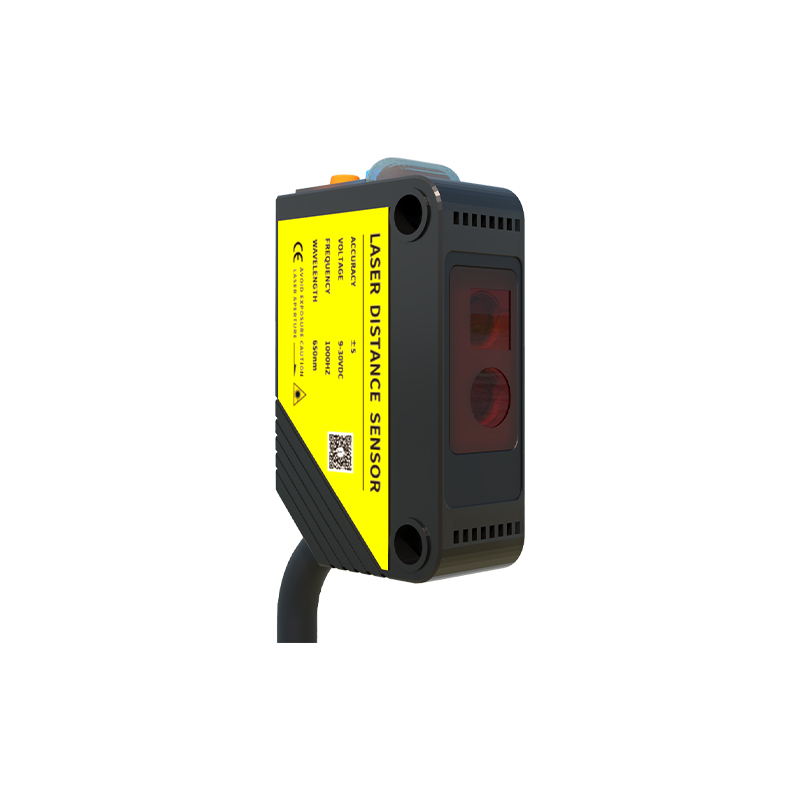
Photoelectric sensors are integral components in modern escalator safety systems, utilizing light beams to detect objects, passengers, or obstructions. Among various sensing technologies, diffuse reflection sensors are particularly valued for their simplicity and reliability. These sensors operate by emitting infrared or visible light and measuring the amount reflected back from a target. Unlike through-beam or retro-reflective sensors, diffuse sensors do not require a separate receiver; the emitter and receiver are housed in a single unit. This design makes them ideal for escalator applications where space is limited and installation must be straightforward. In escalators, they are commonly deployed to monitor step edges, comb plates, and handrail entry points, ensuring safe operation by triggering automatic stops or alarms when anomalies are detected. Their ability to function without physical contact reduces wear and maintenance needs, enhancing overall system durability.
Principles of Diffuse Reflection Sensing
Diffuse reflection sensors rely on the principle that light scatters unevenly when it strikes a surface. The sensor emits a modulated light beam—typically from an LED or laser diode—toward a target area. When an object enters this area, light reflects off its surface and returns to the sensor's receiver. The intensity of the reflected light depends on factors such as the object's color, texture, and distance. For escalators, sensors are calibrated to distinguish between normal surfaces (like metal steps) and obstructions (like debris or clothing). Advanced models incorporate background suppression technology, which ignores reflections beyond a set range, preventing false triggers from distant objects. This precision is crucial in crowded environments like shopping malls or transit hubs, where escalators must respond only to genuine safety hazards. By analyzing the reflected signal, the sensor's internal circuitry determines whether to output a detection signal, seamlessly integrating with the escalator's control system.
Applications in Escalator Safety Mechanisms
In escalator systems, diffuse reflection sensors serve multiple safety functions. One primary application is step-level monitoring, where sensors detect misaligned or missing steps, preventing potential accidents. Positioned near the step chain, they continuously scan for irregularities, signaling the control unit to halt operation if a fault is found. Another critical use is at the comb plate area, where sensors identify trapped objects—such as shoe soles or luggage—before they cause entrapment. Additionally, handrail entry sensors employ diffuse reflection to monitor the handrail's movement and detect obstructions at entry points, ensuring passenger safety. These sensors are often paired with redundant systems to comply with international safety standards like EN 115. Their fast response time, often in milliseconds, allows for immediate intervention, minimizing risk. Regular testing and calibration ensure they maintain high sensitivity without being overly prone to environmental interference like dust or ambient light.
Advantages Over Other Sensor Types
Diffuse reflection sensors offer distinct benefits compared to through-beam or retro-reflective alternatives in escalator contexts. Their compact, single-unit design simplifies installation and reduces wiring complexity, lowering overall costs. Since they do not require alignment with a separate receiver, setup is quicker and less prone to misalignment from vibrations—a common issue in escalators due to constant motion. Moreover, diffuse sensors are versatile in detecting various materials, from metallic steps to organic obstructions, making them adaptable to diverse escalator models. They also exhibit robust performance in harsh conditions, such as high humidity or temperature fluctuations, common in outdoor or underground installations. However, their effectiveness can be influenced by surface reflectivity; for instance, highly reflective objects might cause false readings. To mitigate this, manufacturers design sensors with adjustable sensitivity and filtering algorithms, ensuring reliable operation across different scenarios.
Installation and Maintenance Best Practices
Proper installation and upkeep are vital for optimal sensor performance. During installation, sensors should be mounted securely to avoid displacement from escalator vibrations, with careful attention to the sensing angle and range. It's recommended to position them away from direct sunlight or strong artificial lights to prevent interference. Regular maintenance includes cleaning lenses to remove dust or grease buildup, which can attenuate light signals. Technicians should periodically verify calibration using test objects that mimic real obstructions, ensuring the sensor responds correctly. Diagnostic features, like LED indicators or output signals, aid in troubleshooting without disrupting escalator service. Additionally, integrating sensors with networked monitoring systems allows for remote diagnostics and predictive maintenance, reducing downtime. Following manufacturer guidelines and adhering to safety standards prolongs sensor lifespan and enhances escalator reliability.
Future Trends and Innovations
The evolution of photoelectric sensors in escalators is driven by advancements in IoT and smart technology. Future diffuse reflection sensors may incorporate AI algorithms to differentiate between types of obstructions—for example, distinguishing between a fallen object and a passenger's foot—reducing unnecessary stops and improving efficiency. Enhanced connectivity via wireless protocols could enable real-time data sharing with building management systems, facilitating proactive safety measures. Miniaturization trends may lead to even smaller sensors, allowing for more discreet integration into escalator designs. Research into new light sources, such as VCSELs (Vertical-Cavity Surface-Emitting Lasers), promises higher accuracy and longer ranges. As escalators become smarter, sensors will play a pivotal role in predictive analytics, helping anticipate failures before they occur. These innovations aim to balance safety with operational continuity, meeting growing demands in urban infrastructure.