Fundamental Principles of Operation
Electromagnetic induction proximity sensors operate based on Faraday's Law of Induction. The core component is an oscillator circuit that generates a high-frequency electromagnetic field from a coil housed within the sensor head. When a conductive target, typically a metal object, enters this alternating magnetic field, eddy currents are induced on the target's surface. These eddy currents, in turn, create their own opposing magnetic field, which interacts with the sensor's original field. This interaction results in a measurable change in the oscillator's amplitude or frequency. An internal detection circuit monitors this change and triggers a switching output, such as a solid-state relay or transistor, when the change exceeds a predetermined threshold, indicating the presence of the target. The sensing distance is influenced by the target's material, size, shape, and the sensor's own design specifications.
Key Design Characteristics and Advantages
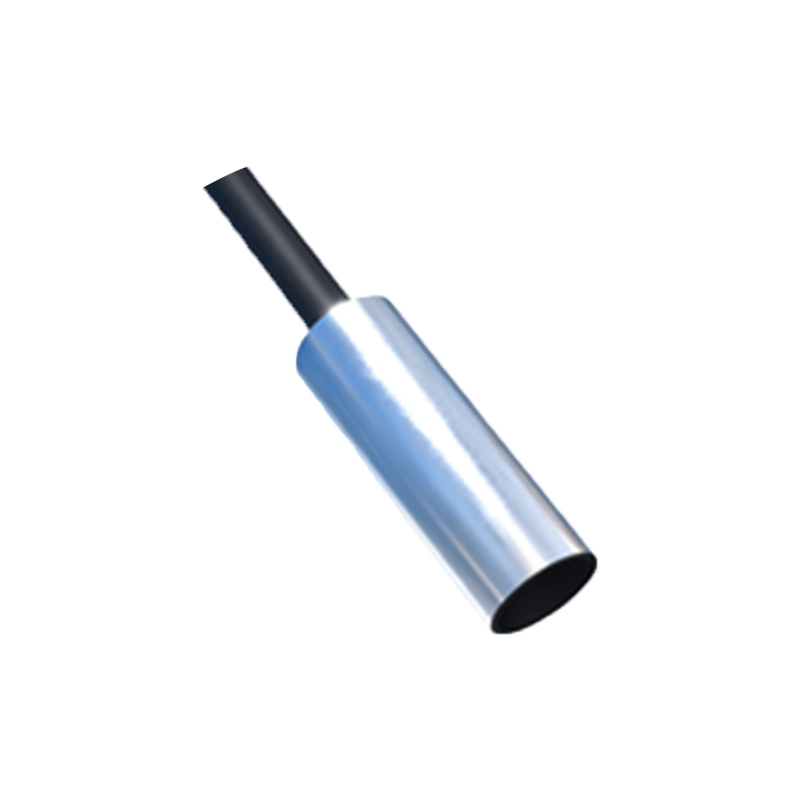
A primary advantage of these sensors is their non-contact nature, which eliminates mechanical wear and allows for high-speed operation and long service life. They are inherently robust, often featuring housings made of materials like nickel-plated brass or stainless steel, making them suitable for harsh industrial environments involving dust, oil, and coolants. Unlike capacitive sensors, they are largely unaffected by non-conductive materials, offering high reliability for metal detection. Another significant characteristic is their ability to detect only conductive materials, primarily metals. The sensing range varies with the target material's conductivity and permeability; for instance, ferrous metals like steel can be detected at a greater distance than non-ferrous metals like aluminum or copper for a similarly rated sensor. Many models incorporate built-in protection against short-circuits, overloads, and reverse polarity, enhancing system durability.
Common Industrial Applications and Use Cases
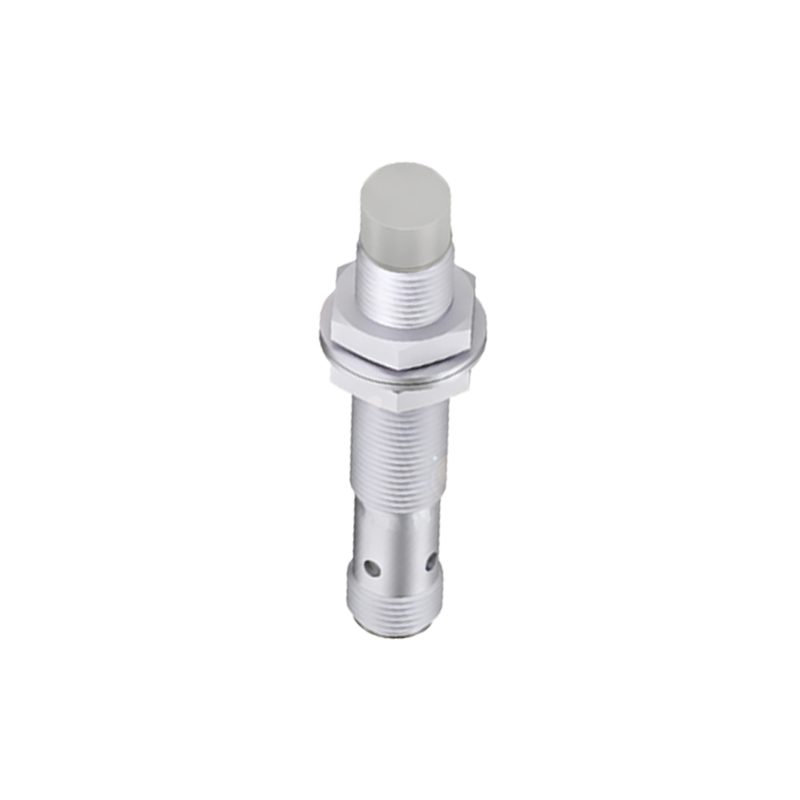
These sensors are ubiquitous in automation and control systems across manufacturing, packaging, and material handling. A classic application is position verification in assembly lines, such as confirming the presence of a metal part on a conveyor or in a fixture. They are extensively used for end-of-travel detection on pneumatic cylinders, where a small metal flag on the piston rod actuates the sensor. In machine tools, they serve as limit switches to prevent over-travel, contributing to operational safety. Counting metallic objects, monitoring rotational speed by detecting gear teeth or keyways, and checking for the presence of tools in CNC machining centers are other prevalent uses. Their resilience makes them ideal for heavy industries, including automotive welding lines and metal stamping presses, where environmental contaminants are prevalent.
Selection Criteria and Installation Considerations
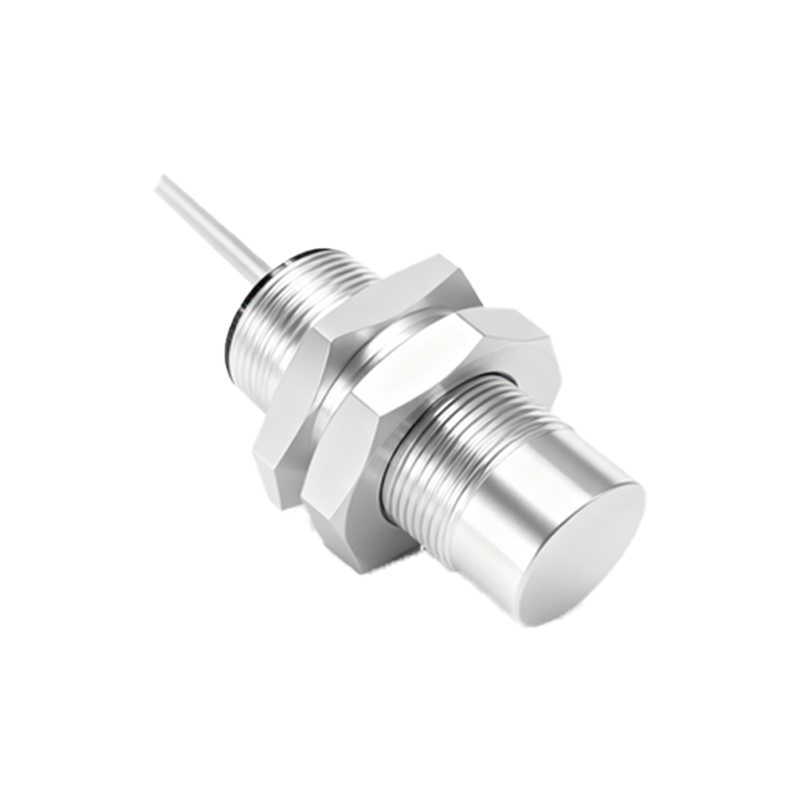
Selecting the appropriate sensor requires careful analysis of several parameters. The first is the target material (steel, aluminum, brass, etc.), which directly affects the nominal sensing distance, often specified for mild steel. Engineers must consult derating factors provided in datasheets for other materials. The required sensing distance and mounting constraints (flush, non-flush) are critical; non-flush mountable sensors offer longer ranges but require more surrounding clearance. Environmental factors like temperature extremes, exposure to chemicals, or strong external magnetic fields must be accounted for. The electrical output type (NPN/PNP, NO/NC) must be compatible with the PLC or controller input card. Proper installation is crucial: ensuring the correct air gap, avoiding sensor-to-sensor interference by maintaining adequate spacing, and shielding the cable runs in areas with high electromagnetic noise from motors or welders can prevent erratic operation.
Comparison with Other Proximity Sensor Technologies
Understanding how inductive sensors differ from other types clarifies their optimal application scope. Compared to capacitive sensors, which can detect both conductive and non-conductive materials, inductive sensors are metal-specific, offering immunity to false triggers from plastics, liquids, or dust. Photoelectric sensors use light beams and can detect objects at much longer ranges regardless of material, but they are susceptible to interference from ambient light, dirt accumulation on lenses, and opaque objects. Ultrasonic sensors are excellent for distance measurement and can detect various materials, but they may be affected by temperature gradients, wind, and soft, sound-absorbing surfaces. Inductive sensors excel in short-range, high-speed, high-reliability detection of metals in dirty environments where the other technologies might falter. Their simplicity, speed, and robustness make them the default choice for countless metal-sensing tasks in industrial automation.
Future Trends and Technological Developments
The evolution of electromagnetic induction proximity sensors focuses on miniaturization, enhanced intelligence, and increased integration. Modern sensors are becoming smaller while maintaining or improving sensing performance, allowing installation in tighter spaces. The integration of IO-Link and other industrial communication protocols is a significant trend, transforming sensors from simple switches into smart devices that provide diagnostic