Understanding Non-Attenuating Proximity Sensor Fundamentals
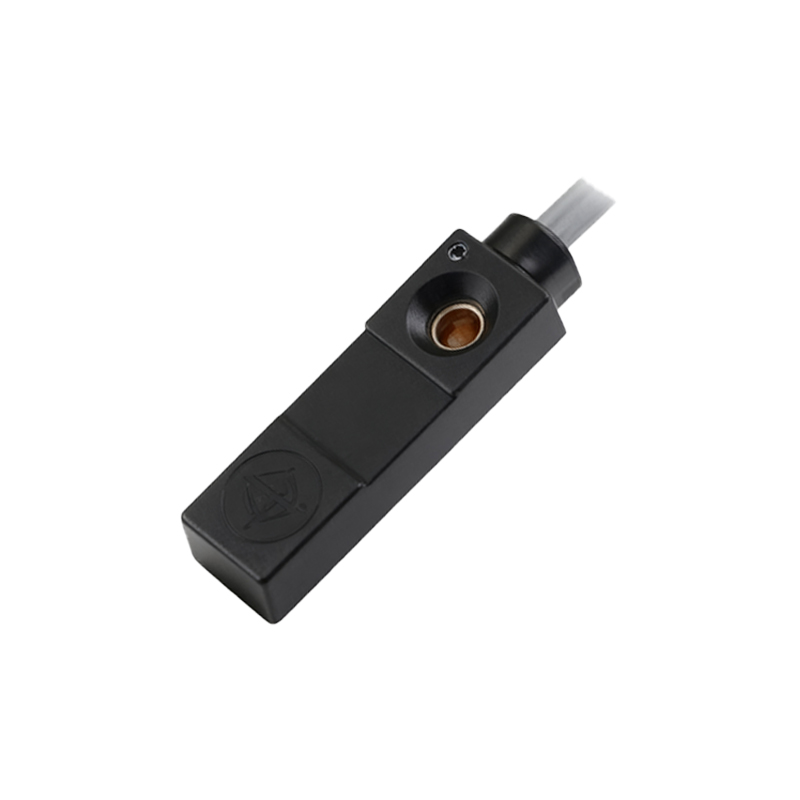
Non-attenuating proximity sensors, often based on high-frequency oscillation or magnetic principles, are designed to detect the presence of metallic or non-metallic objects without signal degradation over distance within their specified sensing range. Unlike standard sensors whose signal strength might weaken, these specialized devices maintain a consistent and reliable output signal until the target enters the precise switching point. This characteristic is paramount in applications demanding high repeatability and precision, such as automated assembly lines, robotic positioning, and high-speed counting systems. The core technology typically involves a robust oscillator circuit and a temperature-compensated design that ensures stable operation despite environmental fluctuations. By eliminating signal fade, these sensors provide a crisp, binary detection signal, which significantly reduces the risk of false triggers or missed detections, thereby enhancing overall system integrity and uptime.
The Rationale for Parallel Configuration in Industrial Setups
Deploying non-attenuating proximity sensors in a parallel configuration is a strategic approach to address complex sensing challenges. This setup involves connecting multiple sensors to a common control unit or PLC input, where their output signals are logically combined, typically using an OR function. The primary driver for this configuration is the need to monitor a larger or irregularly shaped area that exceeds the coverage of a single sensor. For instance, in conveyor belt systems where objects may vary in size or orientation, parallel sensors can ensure detection regardless of the object's position on the belt. Furthermore, this arrangement introduces a layer of redundancy; if one sensor were to fail, the parallel network can still provide a detection signal from the remaining operational units, preventing costly production halts and improving system fault tolerance.
Key Design Considerations and Wiring Practices
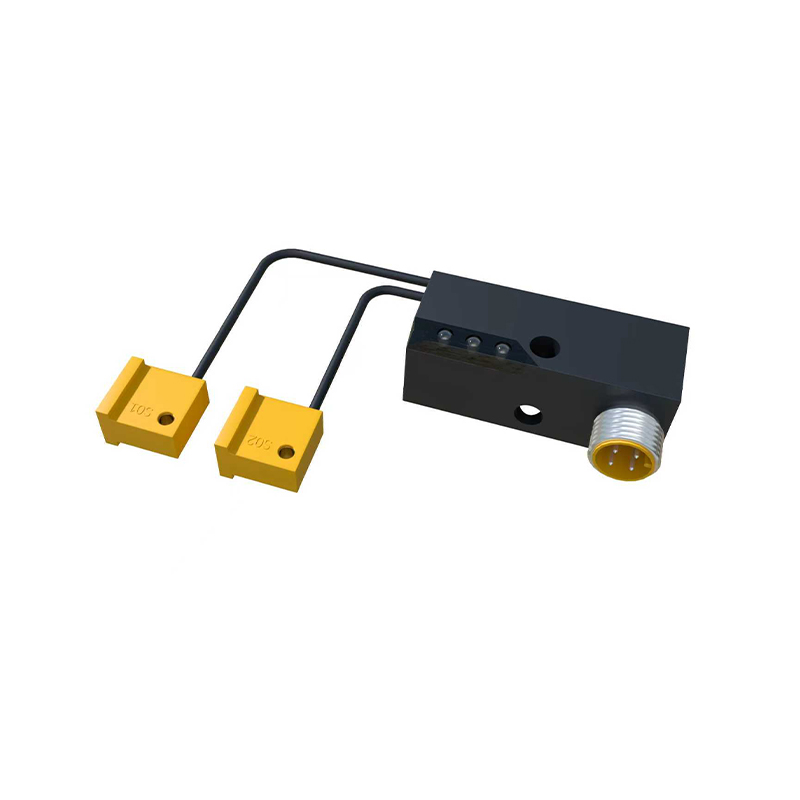
Implementing a parallel network of non-attenuating sensors requires meticulous planning. First, sensor selection is critical; all units should ideally be of the same model and specification to ensure uniform switching characteristics and response times. Mismatched sensors can lead to timing issues or signal conflicts. Wiring practices are equally crucial. While connecting the sensor outputs in parallel to a single input module is common, attention must be paid to the total current load on the PLC input and the sourcing/sinking configuration (PNP vs. NPN). Utilizing diodes in series with each sensor's output wire is a recommended best practice. These diodes prevent back-feeding of current from one active sensor into the output circuit of an inactive one, thereby isolating the sensors and ensuring clean, independent signal transmission to the controller.
Overcoming Common Challenges and Interference
A primary challenge in parallel installations is mutual interference, especially when sensors are placed in close proximity. Non-attenuating high-frequency sensors can sometimes influence each other's electromagnetic fields, leading to erratic behavior like chatter or false triggering. To mitigate this, maintaining adequate lateral spacing between sensor heads—as specified by the manufacturer—is essential. Alternatively, selecting sensors with synchronization capabilities or enabling mutual interference prevention features, where sensors operate on slightly offset frequencies, can effectively solve this issue. For magnetically-based sensors, ensuring that the sensing fields do not overlap is key. Proper shielding and grounding of cables also play a vital role in minimizing electrical noise from motors or variable frequency drives, which could be misinterpreted by the parallel network.
Application-Specific Advantages and Use Cases
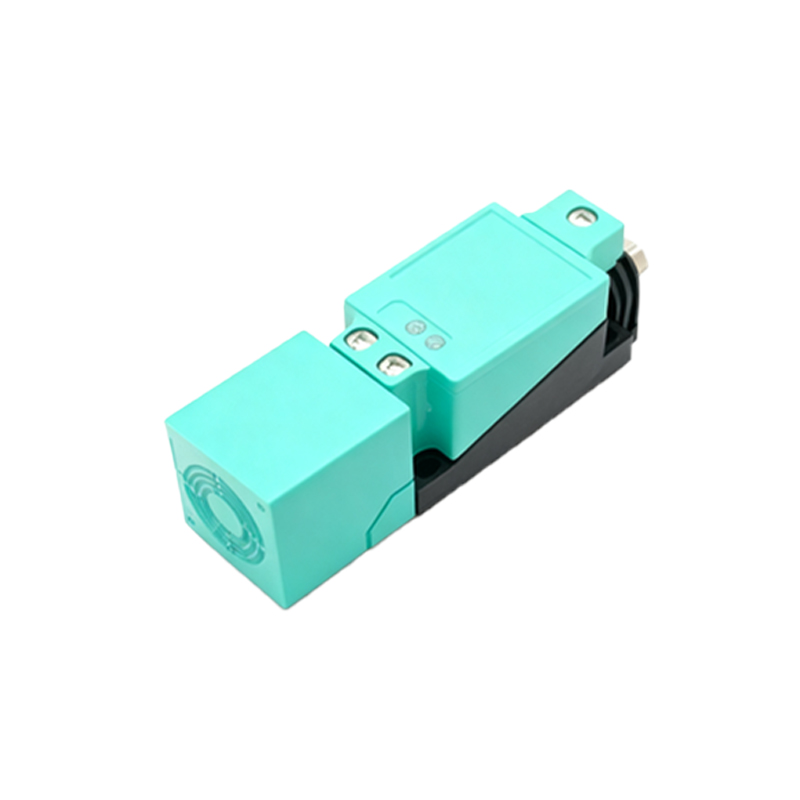
The synergy of non-attenuating sensors in parallel unlocks significant advantages in specific applications. In large-format metal detection, such as monitoring the passage of automotive body panels, multiple sensors arrayed in parallel provide complete coverage. In safety systems, like light curtains or area guarding, parallel-connected sensors create a reliable detection zone. Another prominent use case is in precision positioning, where several sensors work in tandem to determine the exact orientation or alignment of a part before a robotic operation. The consistent, non-attenuating signal ensures that each sensor in the array provides an equally reliable data point, allowing for complex logic decisions based on the combined input state, ultimately leading to smarter and more adaptable automation.
Maintenance and Diagnostic Strategies for Parallel Networks
Maintaining a system of parallel-connected sensors involves proactive diagnostics. Modern sensors with IO-Link or other digital communication protocols offer immense benefits here, allowing for individual monitoring of sensor health, operating hours, and output status from the controller itself, even in a parallel wiring scheme. For conventional sensors, implementing a diagnostic routine using pilot lights or auxiliary outputs can help isolate a faulty sensor quickly. Regular checks should include verifying physical alignment, cleaning sensing faces, and testing the response of each sensor individually and as a combined group. By treating the parallel configuration as a single, cohesive sensing subsystem with defined maintenance schedules, engineers can ensure long-term reliability and simplify troubleshooting procedures.